Poland's Economy Grows 3.4% in First Quarter Despite Energy Headwinds
Polish statistics office data show the economy expanded 3.4% in the first quarter of 2026 compared with a year earlier. The reading came in despite high energy costs and Iran-war pressure on external demand, supported by resilient domestic consumption and investment. It is one of the fastest growth paces in the European Union.

Provisional data from Poland's statistics office showed the economy grew 3.4% in the first three months of 2026. The print came in above the 3.2% consensus and signalled resilience in domestic dynamics despite the global supply shock from the Iran war.
Private consumption and EU-fund-backed public investment were the main drivers of growth. Industrial production slowed in energy-intensive sectors, while services and construction kept up a strong pace. The labour market remained tight as real wages continued to rise.
The National Bank of Poland is likely to keep signalling delays to any rate cut given persistently high energy inflation. The zloty drew modest support from the data, while the main Warsaw stock index, the WIG20, traded in a narrow range.
More from Europe

Turkey's Central Bank Chief Karahan Unveils Three-Year Inflation Targets
Central Bank of the Republic of Turkey Governor Fatih Karahan unveiled interim inflation targets for 2026, 2027 and 2028 in the third-quarter Inflation Report. Karahan said the disinflation process will continue with determination and the tight policy stance will be maintained. The bank now forecasts a year-end reading of 26%.

CBRT April Inflation Assessment: Annual inflation rises to 32.37 percent
The Turkish Central Bank released its April inflation assessment, showing consumer prices rose 4.18 percent month-on-month, while annual inflation climbed to 32.37 percent—up 1.50 percentage points. Energy prices surged 14.4 percent, with the underlying trend moving higher.
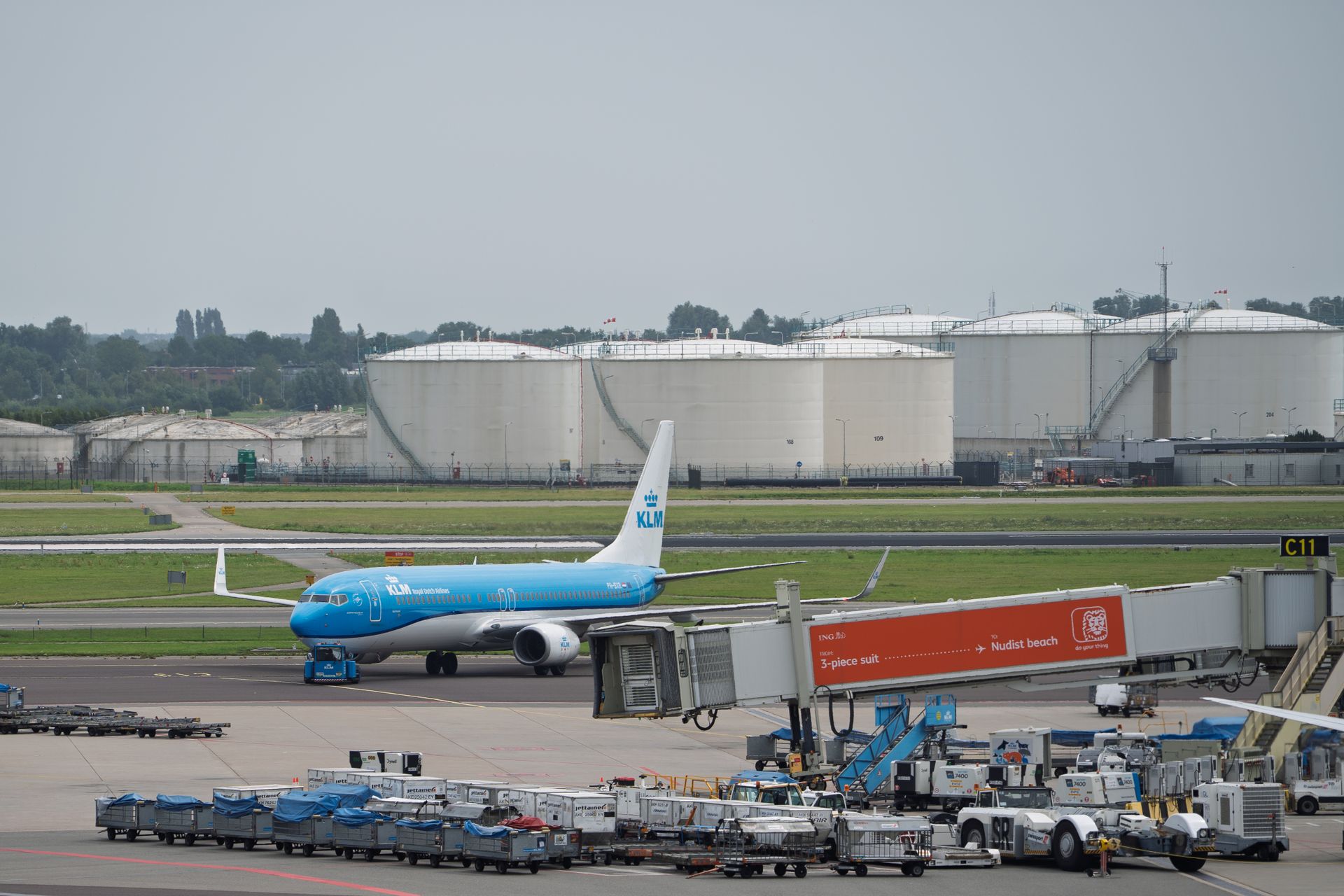
Airlines can cancel flights in advance over fuel shortages under new plans
Under new UK government plans, airlines can cancel flights in advance due to fuel shortages rather than wait until the last minute. This allows passengers time to rebook and make alternative arrangements.