Southeast Asian banks check Iran war strain on corporate lending
Southeast Asian banks are assessing how the Iran war strains corporate lending. Rising energy costs squeeze margins for borrowers, while some sectors face deteriorating credit quality. Lenders are tightening standards ahead.
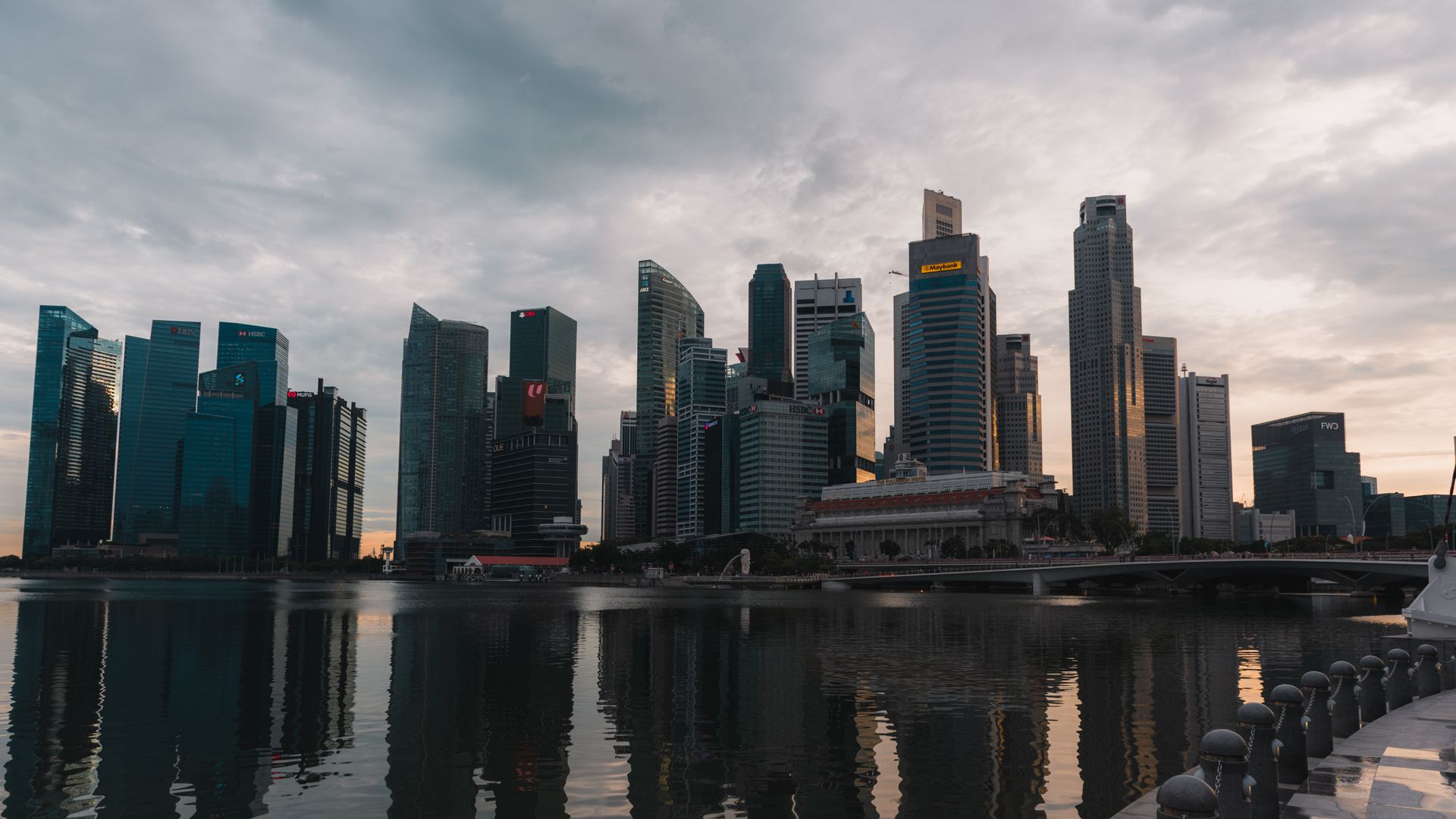
Banks across Southeast Asia are growing cautious about corporate lending amid the Iran war. Rising energy costs squeeze profit margins for borrowers—manufacturers, shippers, hospitality firms—while debt-servicing capacity deteriorates in vulnerable sectors. Lenders are recalibrating risk.
Credit committees are scrutinizing exposures more closely. Banks are revising risk assessments, tightening lending standards, and demanding additional collateral from high-risk sectors. Some are pulling back from longer-dated commitments until clarity emerges on the conflict's trajectory.
The region's structural dependence on Middle Eastern oil and gas deepens these risks. Defaults and restructurings in weak-credit borrowers could ripple through bank balance sheets throughout 2026. The consensus among analysts: asset quality will deteriorate before it improves.
More from Asia

SK Hynix Flooded With Unprecedented Big Tech Orders for Memory Chips
South Korea's SK Hynix says it has received "unprecedented" orders from big tech firms eager to lock in supplies of high-bandwidth memory chips for AI servers. The chipmaker says its 2026 production capacity is largely sold out. Its shares are trading near record highs in Seoul.
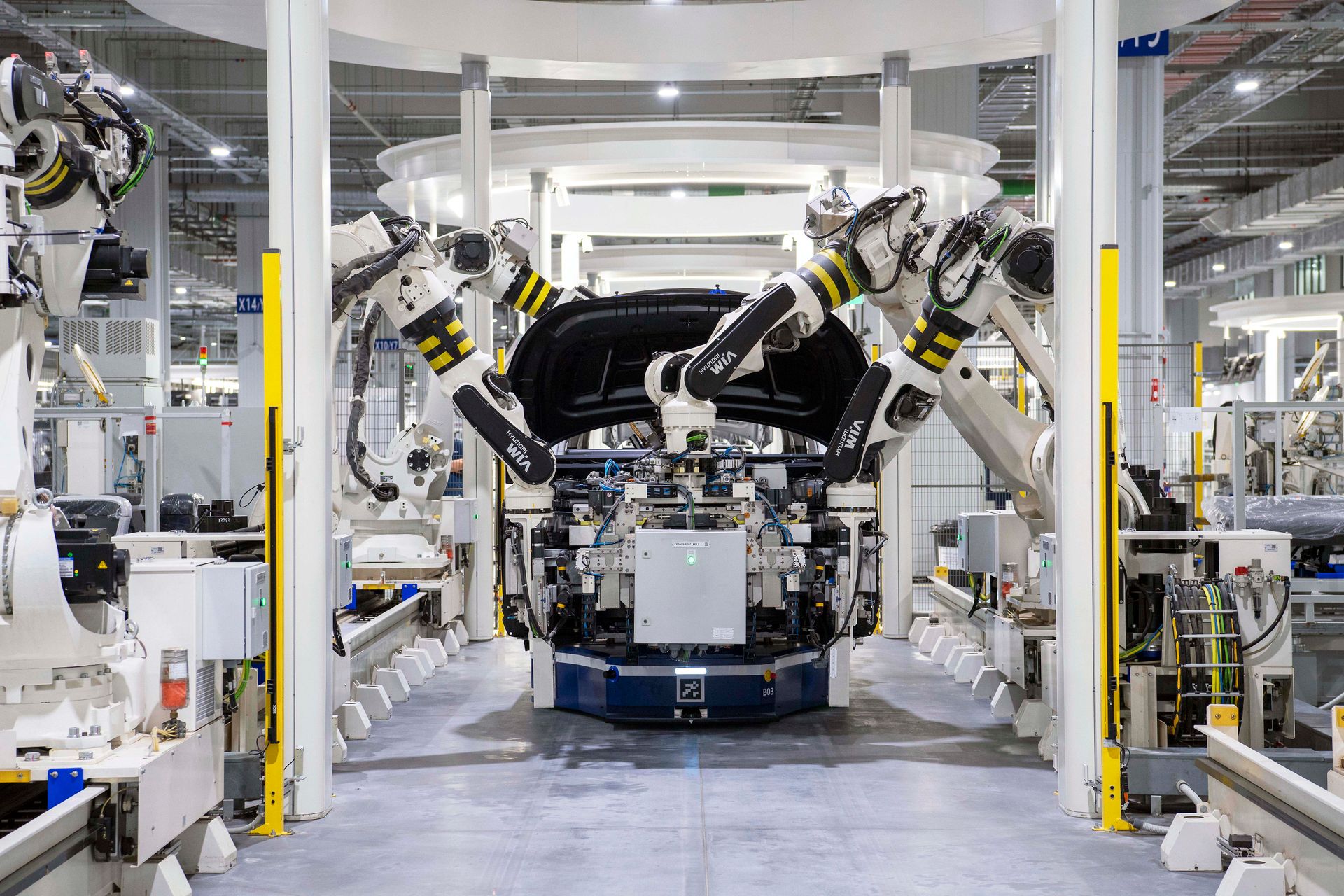
Toyota Expects $5.5 Billion Hit From Iran War Fallout
Toyota said it expects an additional $5.5 billion in costs in fiscal 2026 because of fallout from the Iran war on global logistics and energy prices. The carmaker cut its profit guidance and signalled possible price changes for some US models. Its shares opened lower in Tokyo.

Explosion at China fireworks factory kills 26 people
An explosion at a fireworks factory in Hunan province, China, killed 26 people and injured 61, according to state media reports.