Indonesia loses Southeast Asia's largest stock market crown to Singapore
The total market capitalisation of the Singapore Exchange has overtaken Indonesia's, making it Southeast Asia's largest stock market. A weaker Indonesian rupiah and strong gains in Singaporean bank stocks drove the shift.
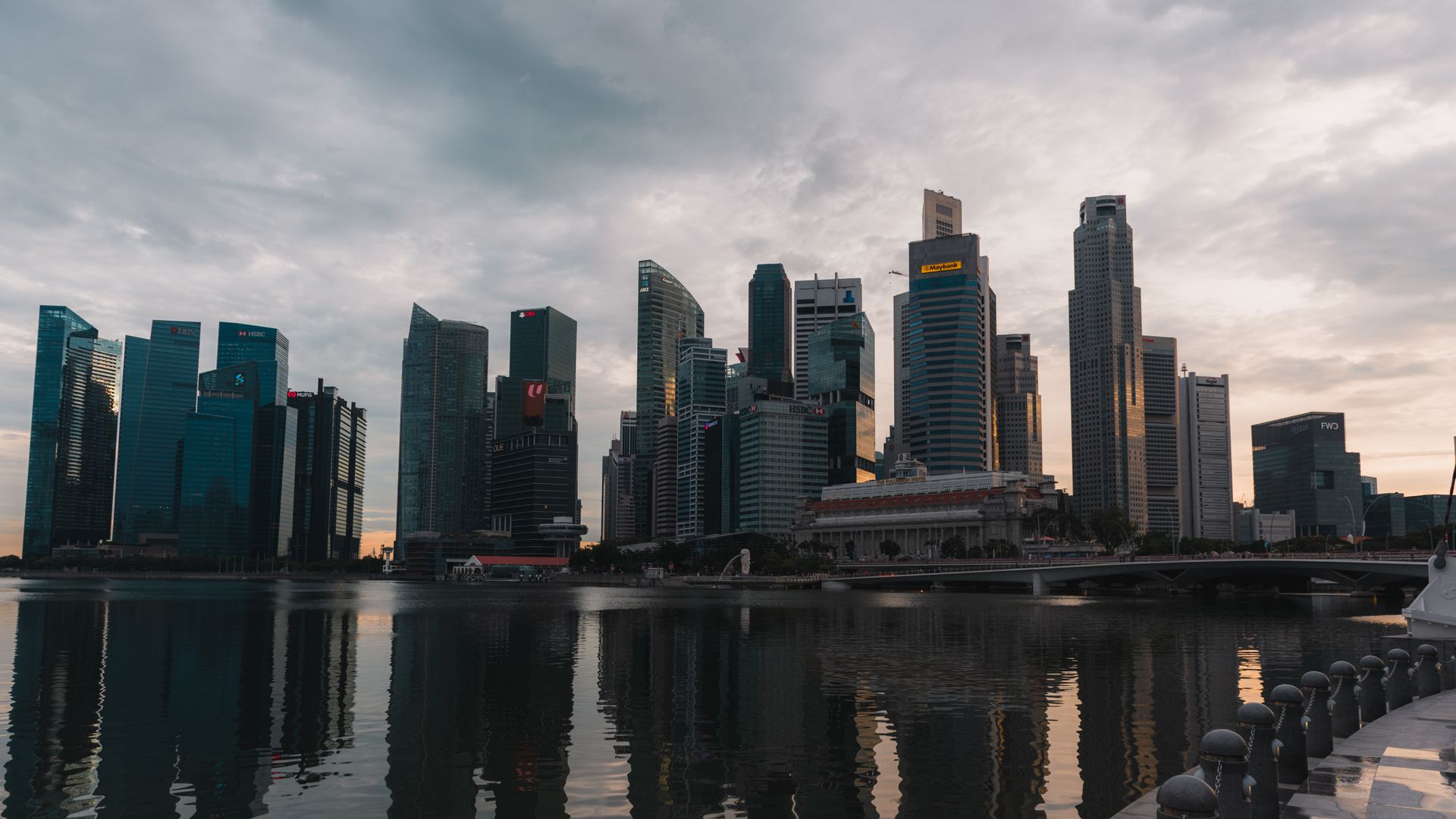
The Singapore Exchange has overtaken Indonesia's bourse to become Southeast Asia's largest stock market by capitalisation. According to data cited by SCMP, the three big Singaporean banks — DBS, OCBC and UOB — have generated double-digit returns since the start of the year, while Indonesian tech and commodity names have been under pressure.
The rupiah's depreciation against the US dollar has materially shrunk Indonesia's dollar-denominated market value. The Singapore dollar, by contrast, has held relatively steady, boosting SGX capitalisation. The gap between the two markets reportedly runs to several hundred billion dollars.
Regional portfolio managers say Singapore is standing out for financial stability and currency predictability at a moment when global risk appetite has narrowed. The Indonesian bourse is aiming to set a floor through new listings and pension-fund reforms.
More from Asia
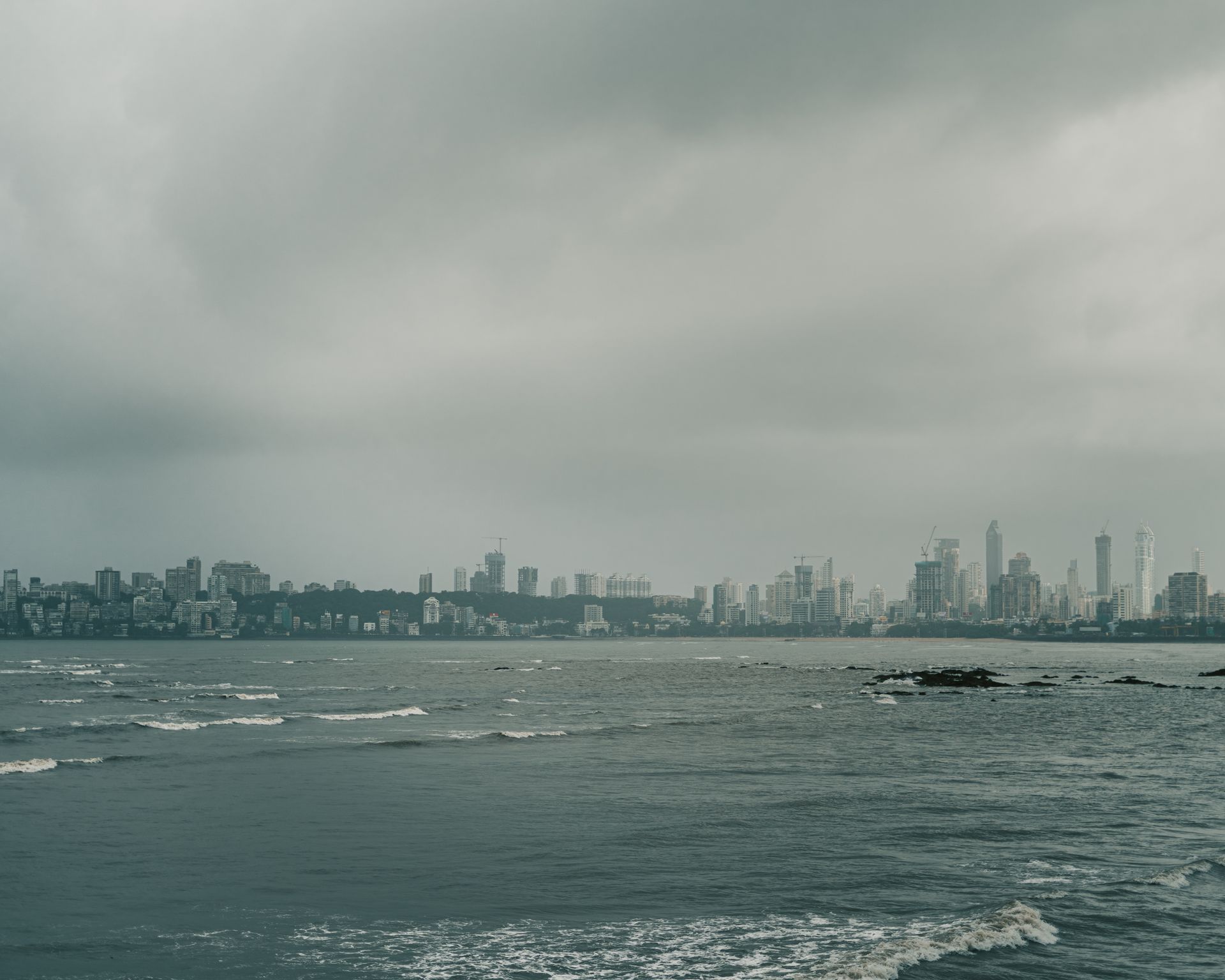
India may tighten capital controls to halt rupee slump, Citi says
A Citigroup report forecasts that the Reserve Bank of India is preparing to tighten capital outflow controls after the rupee weakened 7.2 percent against the dollar in the past six months. Likely measures include lowering individual foreign exchange transfer limits and exporter income repatriation rules.
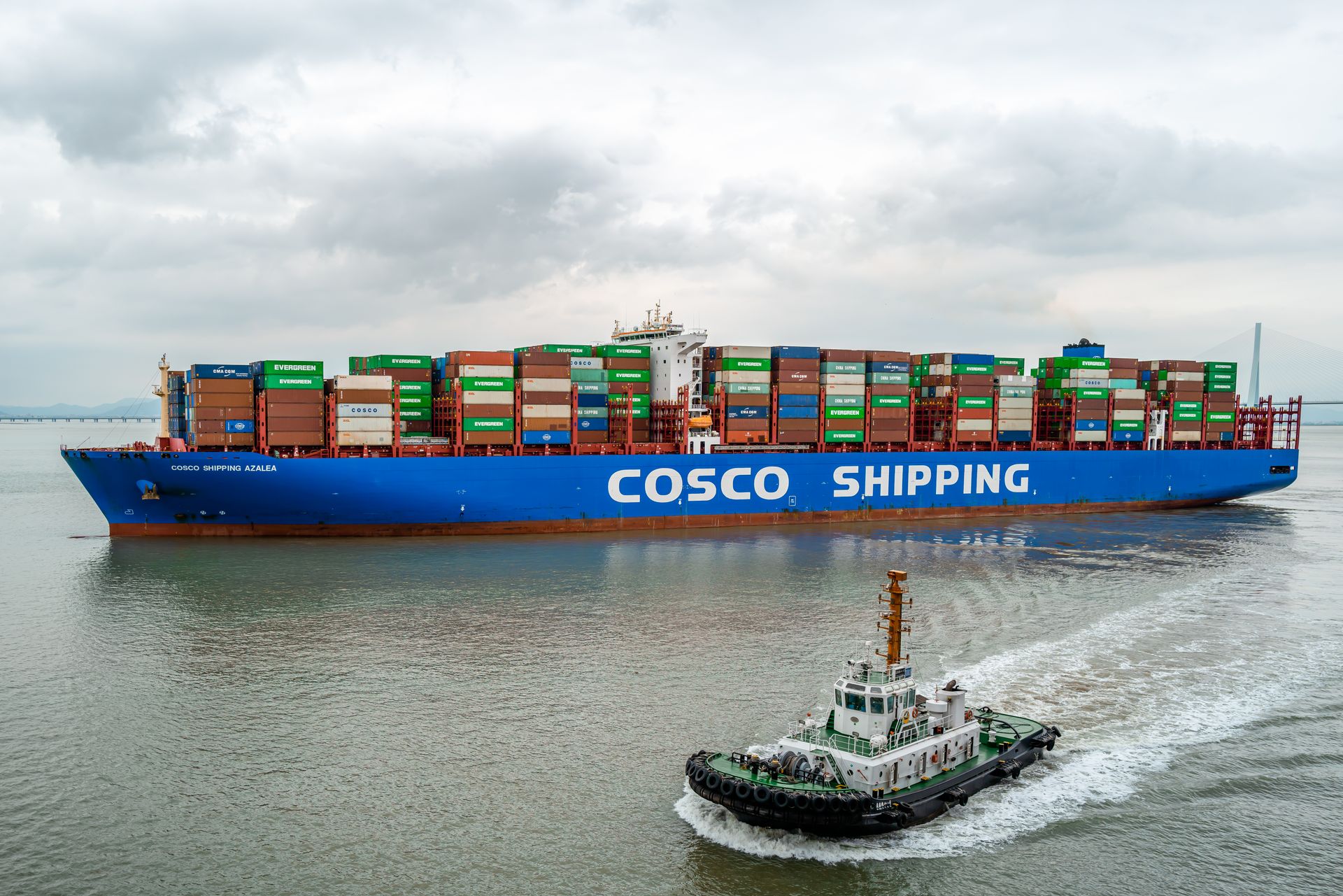
Japan to bolster sea lane defence with Southeast Asia info-sharing plan
Japan will set up a broad maritime information-sharing framework with Southeast Asian countries, led by the Philippines, Vietnam and Indonesia. With the Hormuz crisis and South China Sea tensions in the background, Tokyo is moving to protect critical trade lanes.

Meta cuts 8,000 jobs, including more than 100 in Singapore, in AI-driven efficiency push
Meta Platforms has begun cutting roughly 8,000 jobs globally. According to former employees, more than 100 positions in Singapore are affected. CEO Mark Zuckerberg cited efficiency gains and artificial intelligence-driven automation as the primary rationale.