Controlled reopening ends Iran's lengthy stock market shutdown
Iran's capital markets reopened on 20 May 2026, the first time since the onset of the Iran-US war. The Tehran Stock Exchange resumed activity within a daily price-move band of 2 percent and partial trading rules designed to limit volatility in share prices.

Under a decision by Iran's Securities and Exchange Organization on 20 May 2026, the Tehran Stock Exchange and Iran Fara Bourse reopened after having been closed since 28 February 2026. The reopening ends an approximately 81-day shutdown that began with the outbreak of the Iran-US war. SEO Chairman Hossein Fahimi said the reopening was "of a controlled-transition character".
The restraining rules set for the first day include a daily price-move band of 2 percent, sales limits for institutional investors, and short-position bans in banking, insurance, oil refining and selected industrial firms. The TEDPIX index rose 1.98 percent at the open, testing the intraday upper limit. Total trading volume equates to about 1.2 billion dollars, around 23 percent of pre-war average daily volume.
The Iranian government emphasises that around 41 percent of household savings as a share of GDP is held through stock exchange equities and investment funds. Limiting public wealth losses stands out as the principal political rationale for reopening. IMF and World Bank observers are monitoring the impact of the reopening on the war economy; export revenues and foreign reserves remain under pressure.
More from Middle East

British couple on new hunger strike in Iranian jail, family say
Lindsay and Craig Foreman, a British couple held in Iran on espionage charges, began a new hunger strike 15 days ago, their family said. The family and the UK Foreign Office described the couple's health condition as "serious" and called for their immediate release.
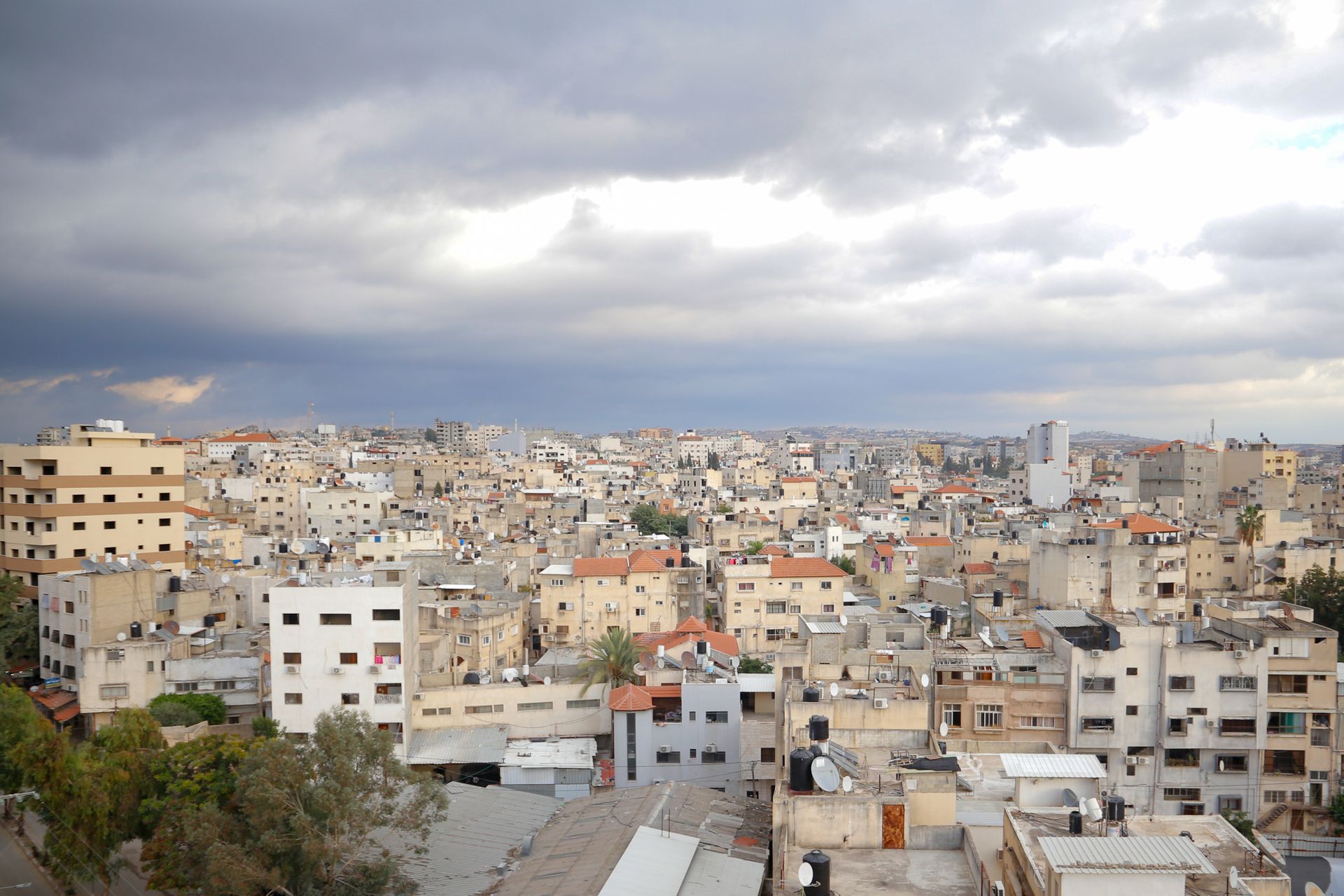
Palestinian President Abbas casts vote in decisive Fatah elections
Palestinian President Mahmoud Abbas cast his vote in internal Fatah elections that will reshape the movement's leadership structure. The ballot will set the agenda for governance priorities and succession planning in the post-Gaza war period.

Israeli lawmakers advance bill to dissolve parliament in early reading
The Israeli Knesset has passed in its first reading a bill that would dissolve parliament and call early elections. The measure is a critical test for Prime Minister Benjamin Netanyahu's coalition. A dispute over ultra-Orthodox conscription has deepened government tensions.