World Cup fans in US, Canada and Mexico face record outlays on tickets, transport and stays
Fans at the 2026 FIFA World Cup in the United States, Canada and Mexico are spending at record levels on tickets, transport and accommodation, BBC Latin America reports. Some supporters described the costs as "daylight robbery but worth it", with industry estimates putting average family outlays in the thousands of dollars. Hotels, airlines and retail are absorbing the windfall.

BBC Latin America reports that the 2026 FIFA World Cup, hosted simultaneously across the United States, Canada and Mexico, has become a tournament where supporters are paying record sums for tickets, flights and hotels. Some fans told the BBC the spending felt "like daylight robbery — but it's worth it".
Industry estimates put average family outlays, for households flying between host cities, in the thousands of dollars once tickets, transport and stays are combined. Hotel occupancy in Dallas, Toronto and Mexican host cities has cleared 90%, while consumer-spending data from Visa, Airbnb and Marriott points to a marked uplift.
Attention now turns to later knockout-round pricing and to heat-related costs along the southern host belt. Retail receipts in host nations and post-tournament card-spending data will give a clearer picture of the economic impact. None of this is investment advice.
Read next

Will the US-Iran deal unlock a $300 billion investment fund for Tehran?
Al Jazeera reports that a central element of the US-Iran deal is the status of a $300 billion investment fund designated for Tehran. The Trump administration insists the fund is not a payout for Iran's enriched uranium. The release timetable and oversight mechanism for the fund are among the deal's main points of contention.

US military plans permanent war-ready weapons stockpile in Australia
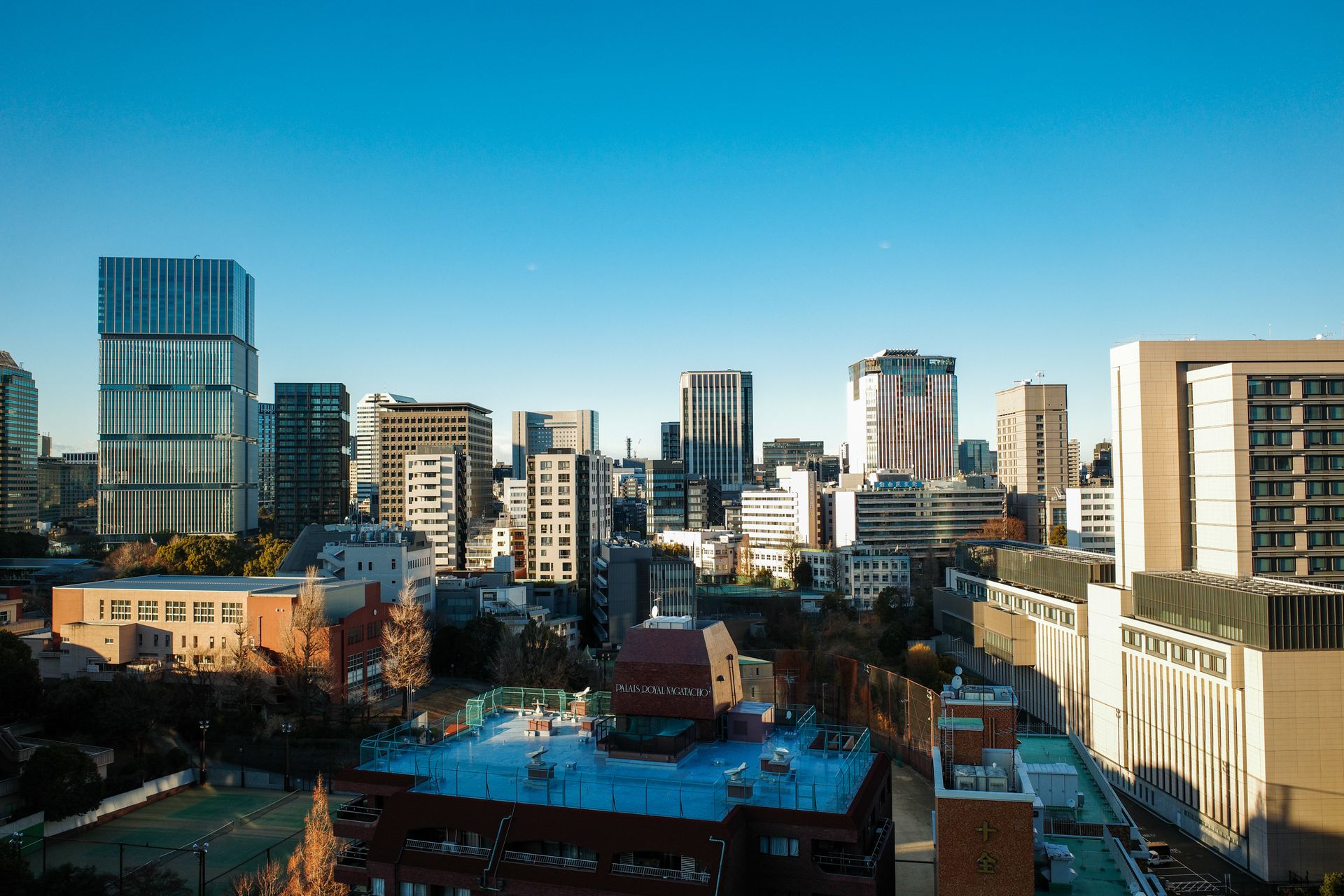
Bank of Japan raises rates to 31-year high, deputy chief warns of inflation and Iran risks
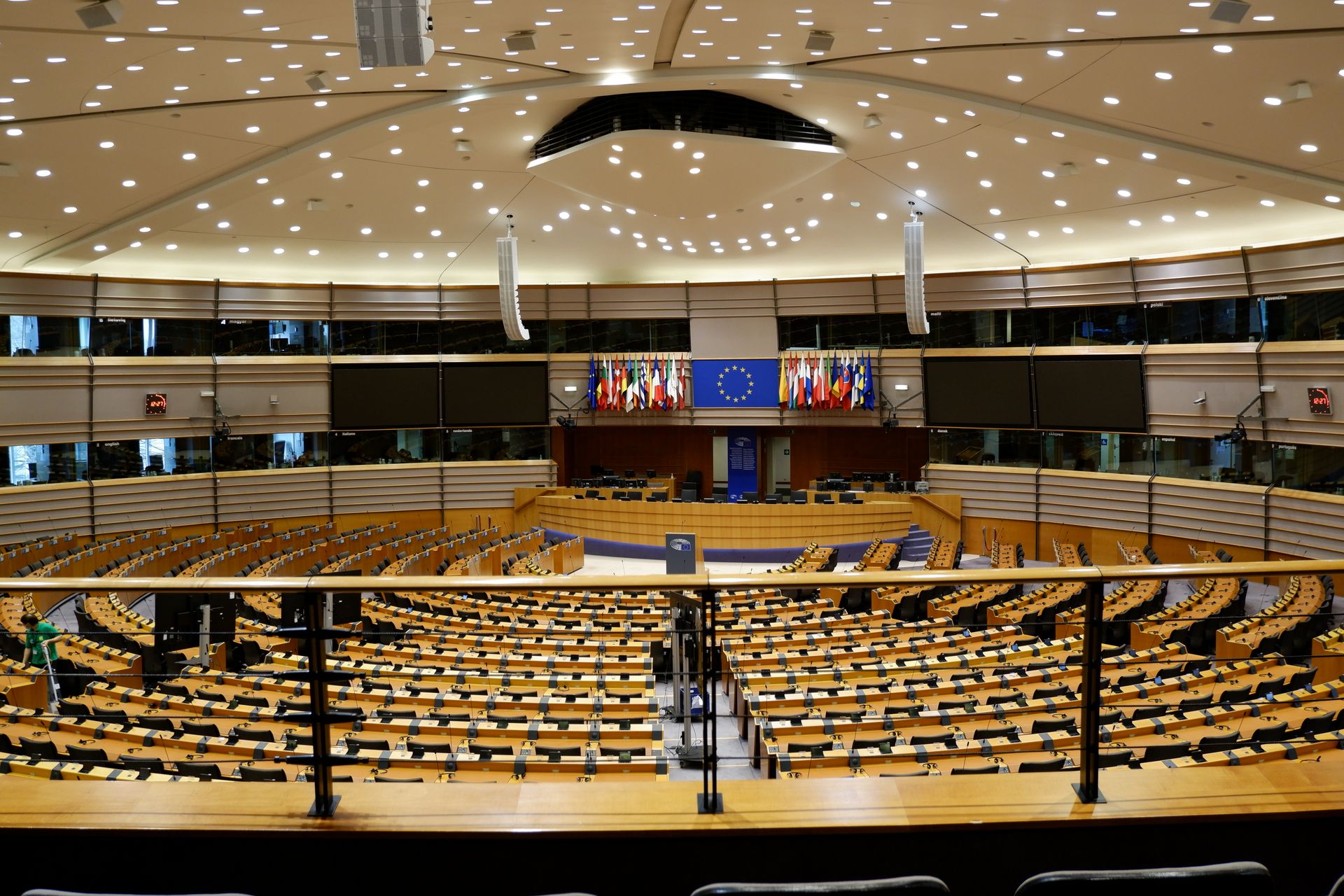
European Parliament approves EU-US trade deal, lowering tariffs to zero on EU exports
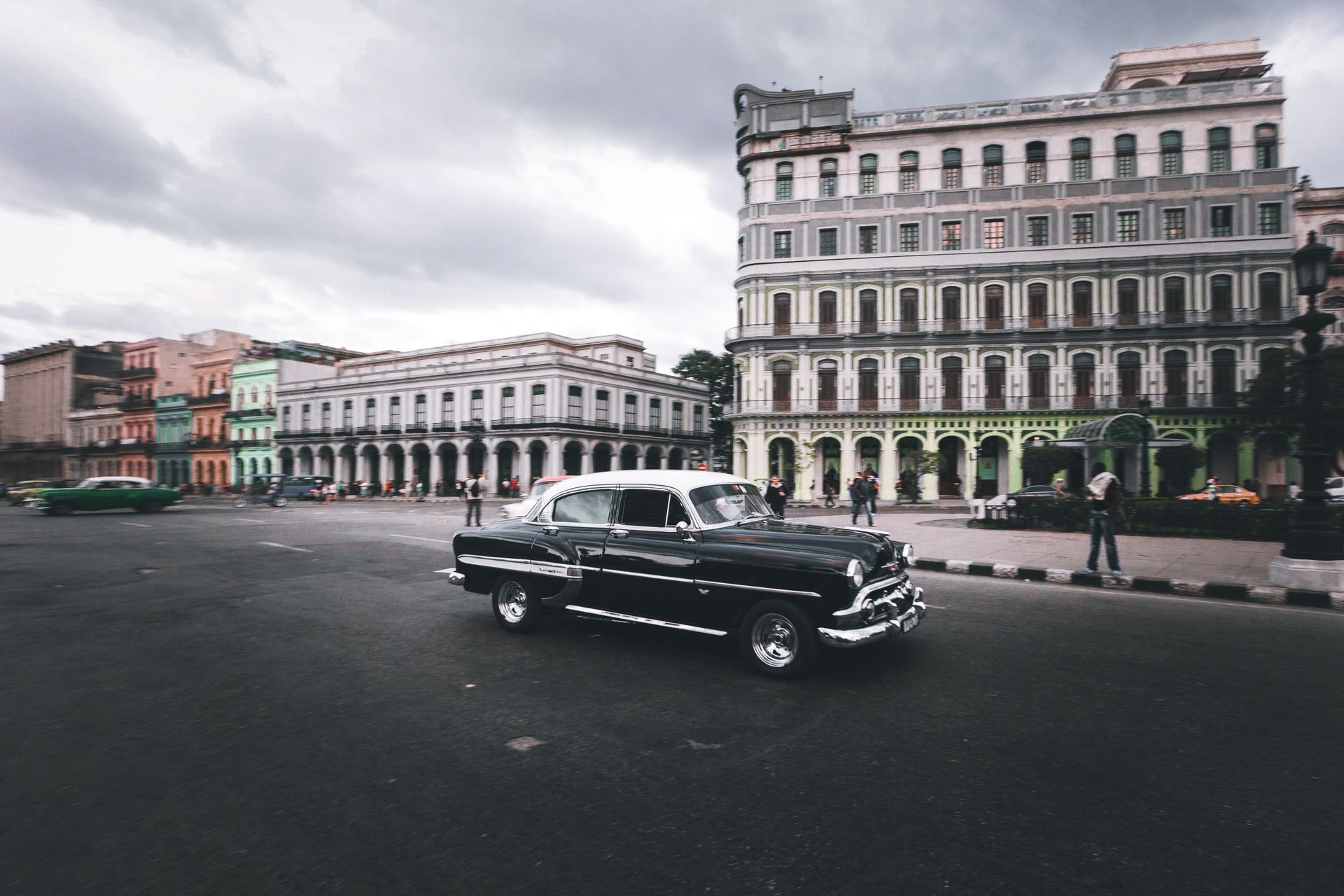
Cuba tourism collapses as US pressure campaign cuts foreign arrivals 58%
