Hungary shuts down nuclear plant as drought and heat strain cooling water
Hungary shut down a nuclear power plant after a severe drought and soaring temperatures reduced river water levels needed for cooling. The move highlights growing climate pressure on Europe's energy infrastructure.
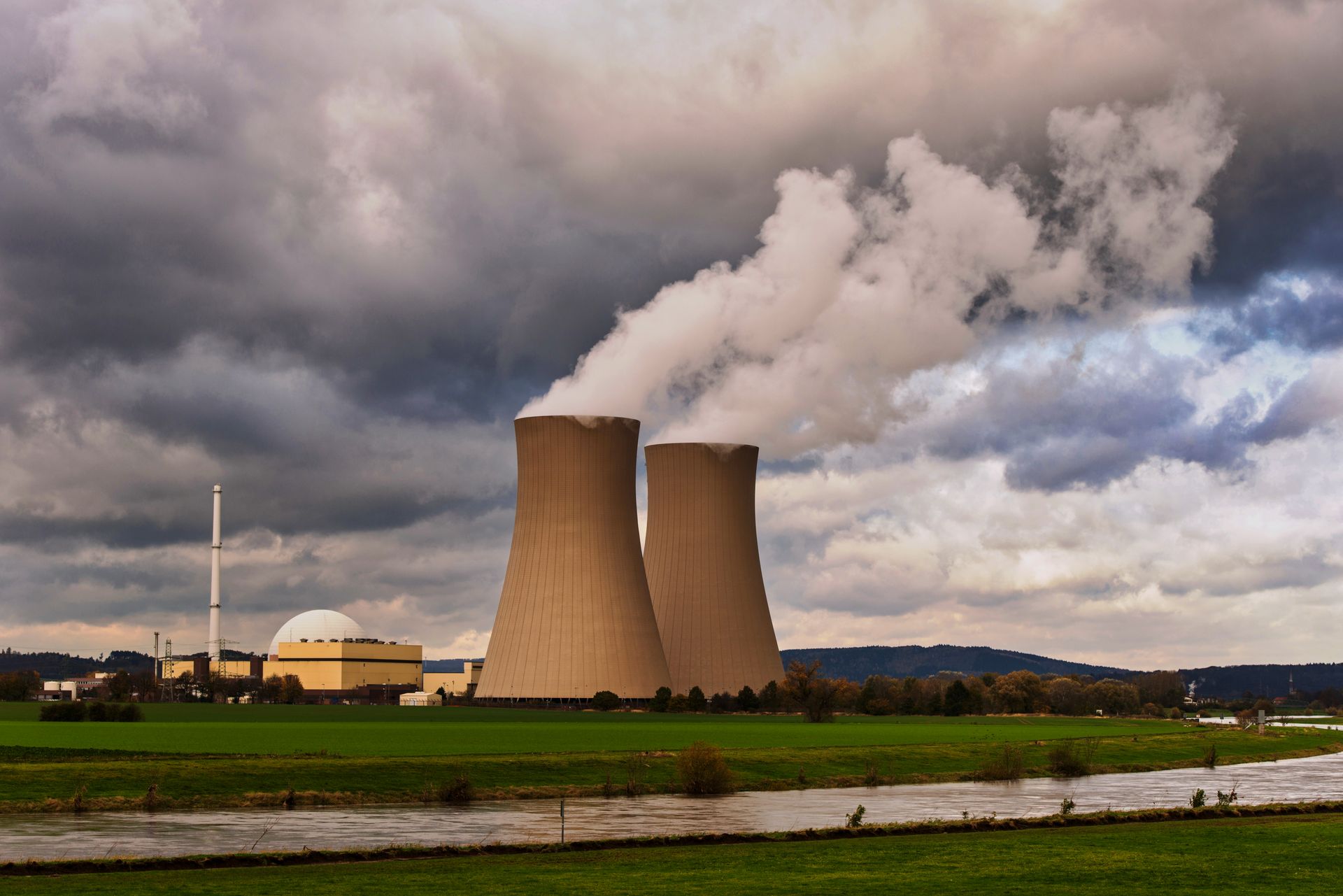
Hungary shut down operations at a nuclear power plant after a severe drought and record summer heat reduced water levels in the river used to cool its reactors. Authorities said the shutdown was a precautionary measure to protect both plant safety and the river's ecosystem.
Nuclear power is often promoted as a low-carbon alternative to fossil fuels, but plants depend heavily on large volumes of river or sea water for cooling. This summer's drought has left several European rivers running unusually low, complicating operations at power plants across the continent.
The shutdown adds to mounting concerns about how climate-driven heat waves and water shortages could affect Europe's energy security in the years ahead. Officials say they are monitoring water levels closely and will restart the plant once conditions allow.
Read next

Oil tanker risk in Middle East called worst since Iran war began
Analysts say the threat facing oil tankers in the Middle East is now the worst since the start of the war involving Iran. Fresh attacks on alternative shipping routes have made an already complex situation even more dangerous.

Iran says it is in talks with Oman, not the US, after Trump remarks

Oil prices fall as Trump calls off strike on Iran

What is Iran's Pickaxe Mountain, and why does Trump want to bomb it?
