Why a 90-year-old treaty still limits NATO in the Black Sea
The 1936 Montreux Convention, which regulates warship passage through the Turkish Straits, still limits how much military presence NATO can maintain in the Black Sea. The decades-old treaty has come back into focus as Russia's war against Ukraine continues.
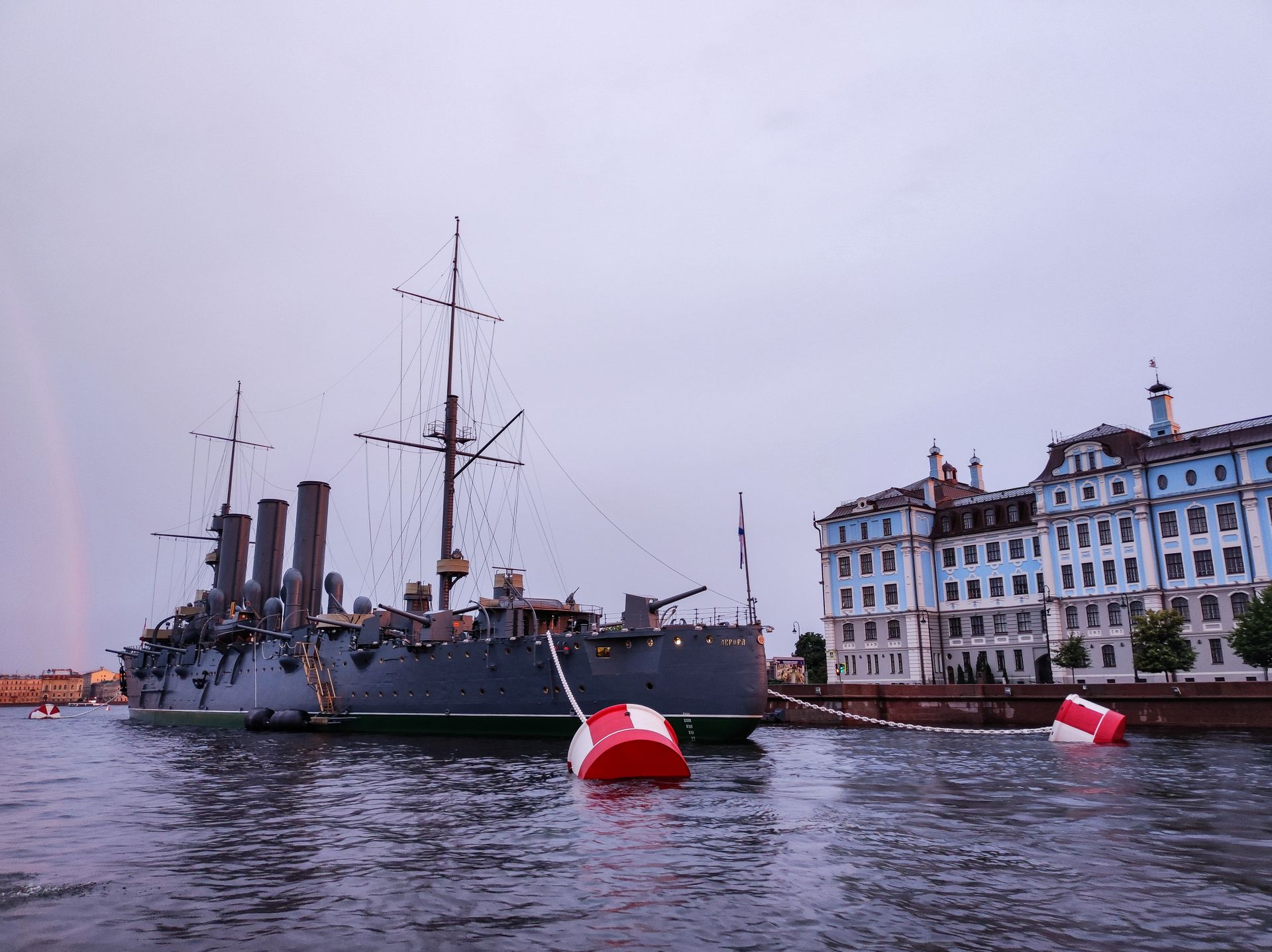
The 1936 Montreux Convention regulates warship passage through the Bosphorus and Dardanelles straits and limits the number and tonnage of warships that non-Black Sea states may keep in the region. The treaty directly restricts how much naval presence NATO members without a Black Sea coastline can maintain there.
As Russia's war against Ukraine continues, analysts say the convention significantly limits NATO's ability to expand its naval footprint in the region. Turkey, which administers the straits under Montreux, continues to regulate passage through them.
Experts say amending the treaty would require complex diplomatic negotiations, and no revision is expected in the near term. As a result, NATO's Black Sea strategy continues to take shape within the existing legal framework.
Read next
Yemen's Houthi movement announces 'maritime embargo' on Saudi Arabia
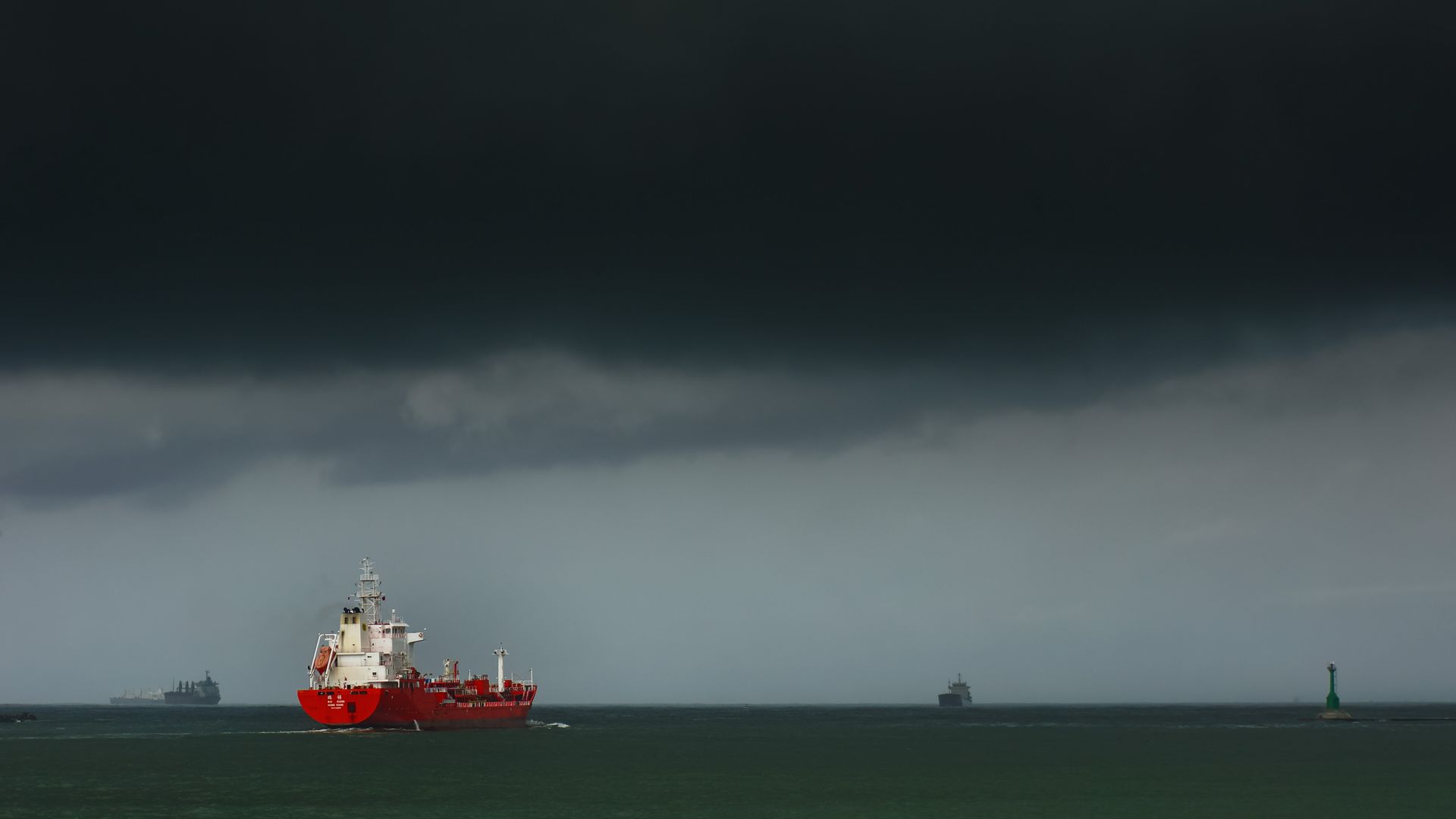
Yemen's Houthi movement announced it would impose a maritime embargo on Saudi Arabia, raising fresh concerns about shipping safety in the Red Sea region. The move risks further inflaming tensions in an already volatile waterway.
US launches fresh strikes on Iran as Trump warns of retaliation for soldiers' deaths

China, Philippines blame each other over South China Sea clash

Afghanistan floods leave at least 20 dead and more than 100 missing