Singapore's commodity traders find ways to navigate Middle East disruptions, from oil to coffee beans
According to Straits Times Business, the roughly 350 global commodity traders with a significant presence in Singapore are updating logistics and hedging strategies to manage supply-chain disruptions linked to the Iran war.
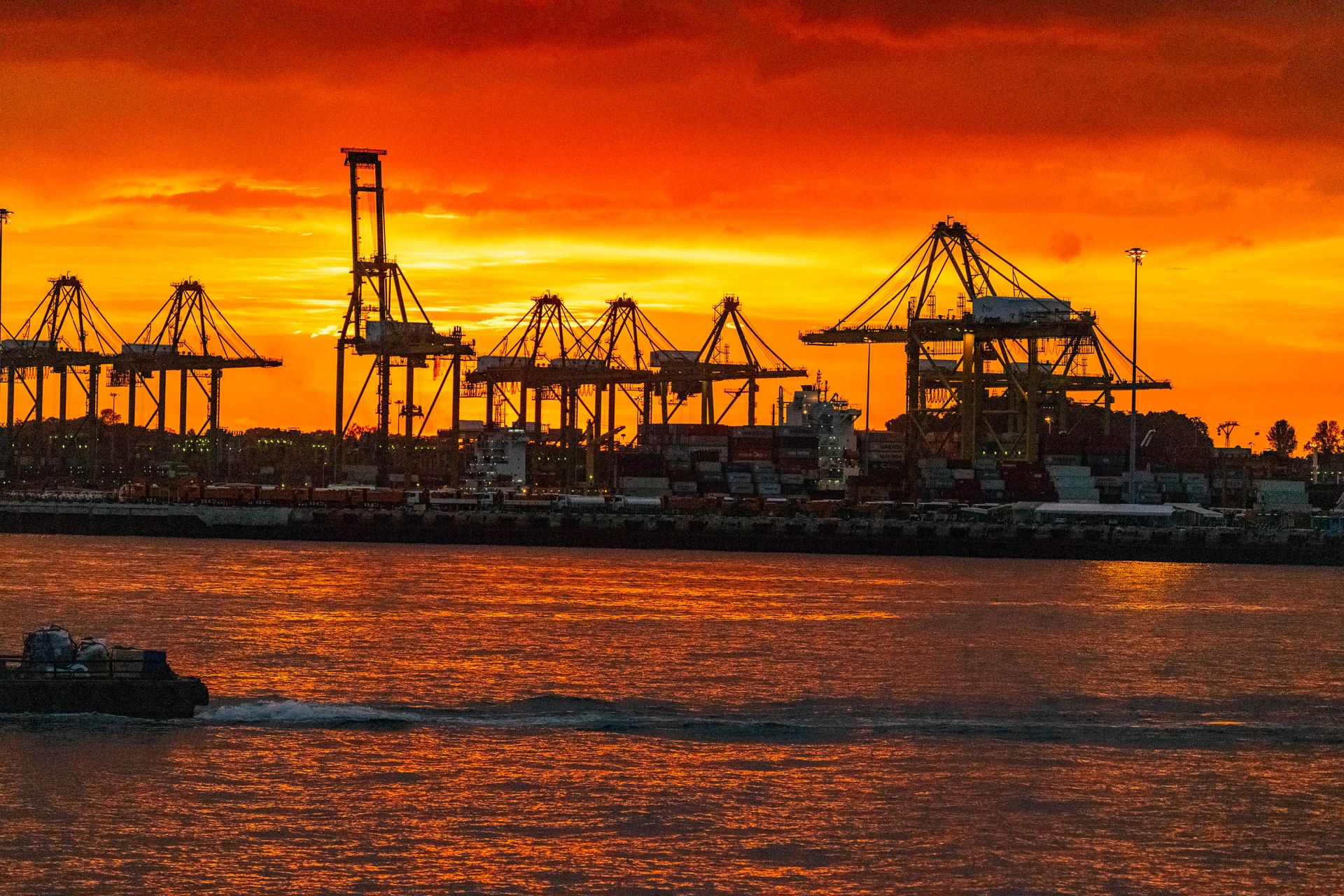
According to a Straits Times Business report, the roughly 350 global commodity traders with a Singapore presence are updating their strategies to manage volatility in shipments and pricing across oil, natural gas and agricultural commodities. The dispatch says traders are giving priority to alternative routes, storage management, vessel insurance and futures-based hedging. Some players have moved to advance purchases on coffee and cocoa to absorb logistics delays.
The report's analyst-attributed framing highlights Singapore's standing as a global commodity-trading hub in Asia. Local operations of major firms such as Trafigura, Vitol, Glencore and Gunvor play a critical role in keeping liquidity flowing on the eastern side of global trade. According to the report, the Monetary Authority of Singapore (MAS) and the port authority remain in close communication to prevent commercial risks from spilling into the broader financial system.
In the coming period, developments around Hormuz, the outcome of US-Iran negotiations and assessments of alternative pipeline capacity through Saudi Arabia and the UAE will be decisive themes. This article is not investment advice; readers active in commodity markets should consult a licensed adviser.
More from Asia

Anthropic tops OpenAI as world's most valuable AI start-up at US$965B
Anthropic, the maker of the Claude AI assistant, has been valued at US$965 billion in its latest financing round, surpassing rival OpenAI as the world's most valuable AI start-up, Straits Times Business reported.
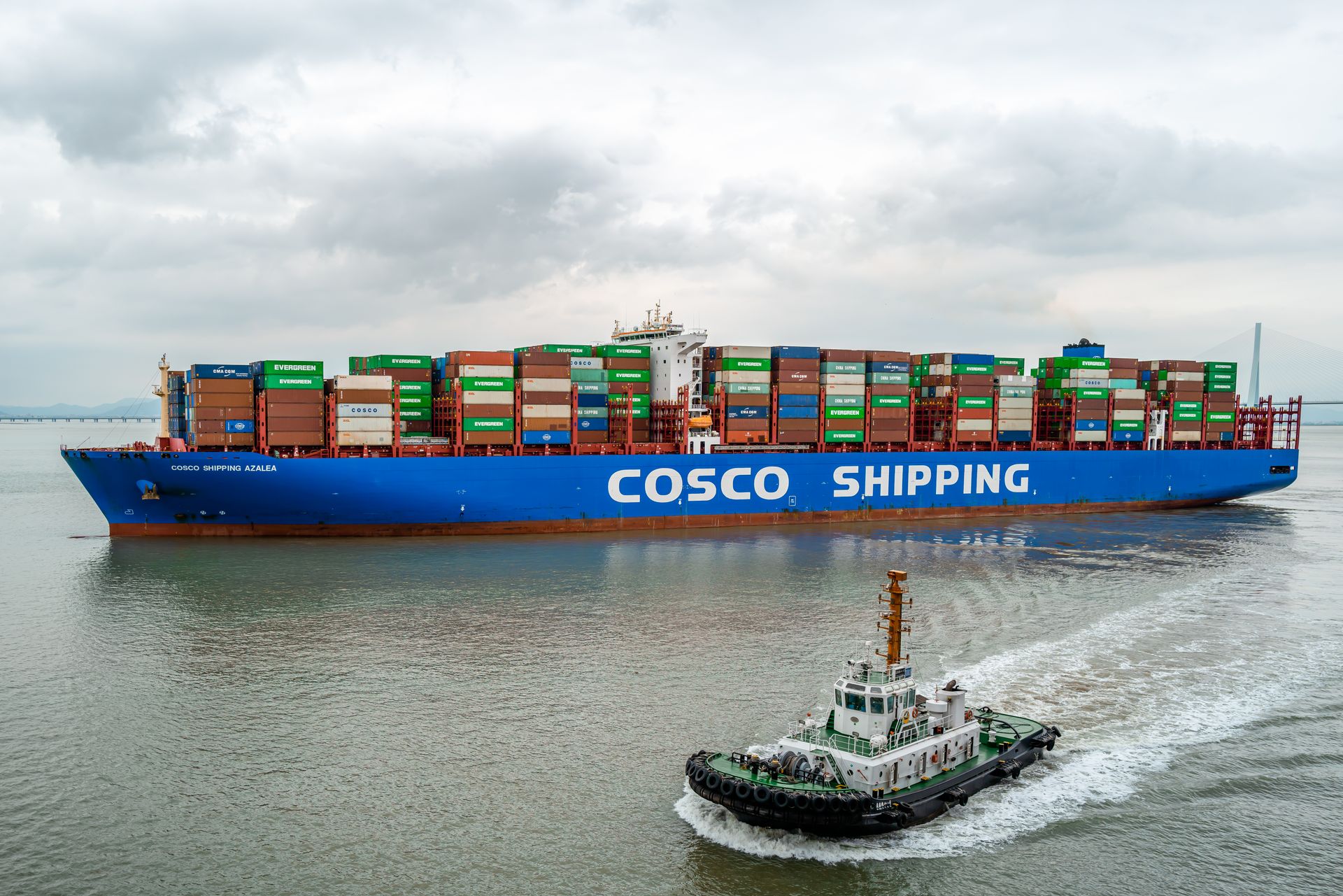
Japan to bolster sea lane defence with Southeast Asia info-sharing plan
Japan will set up a broad maritime information-sharing framework with Southeast Asian countries, led by the Philippines, Vietnam and Indonesia. With the Hormuz crisis and South China Sea tensions in the background, Tokyo is moving to protect critical trade lanes.
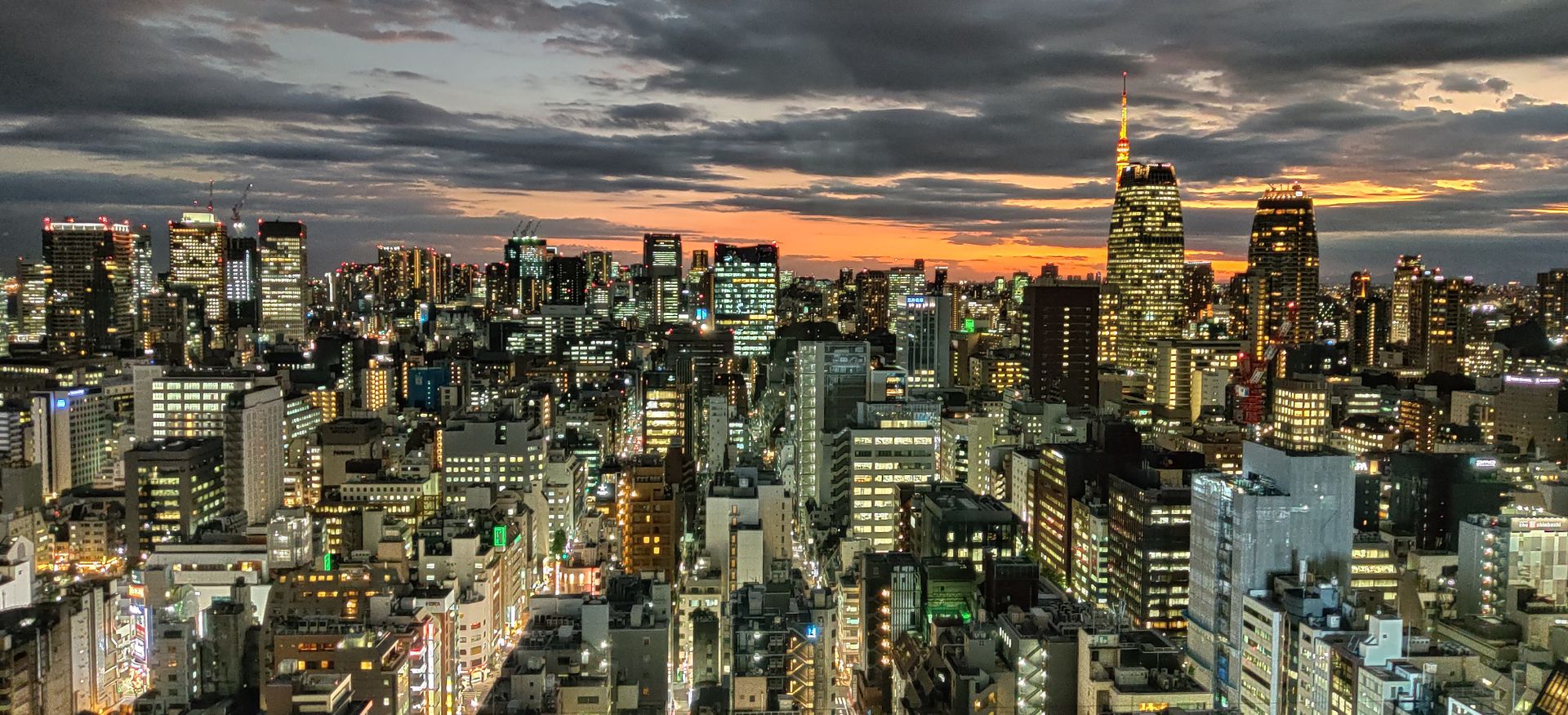
Japan PM Takaichi vows 'breakthrough' on North Korean abductee issue
Japanese Prime Minister Sanae Takaichi said she is determined to achieve a 'breakthrough' in resolving the long-standing issue of Japanese nationals abducted by North Korea, vowing to weigh all options, according to South China Morning Post.