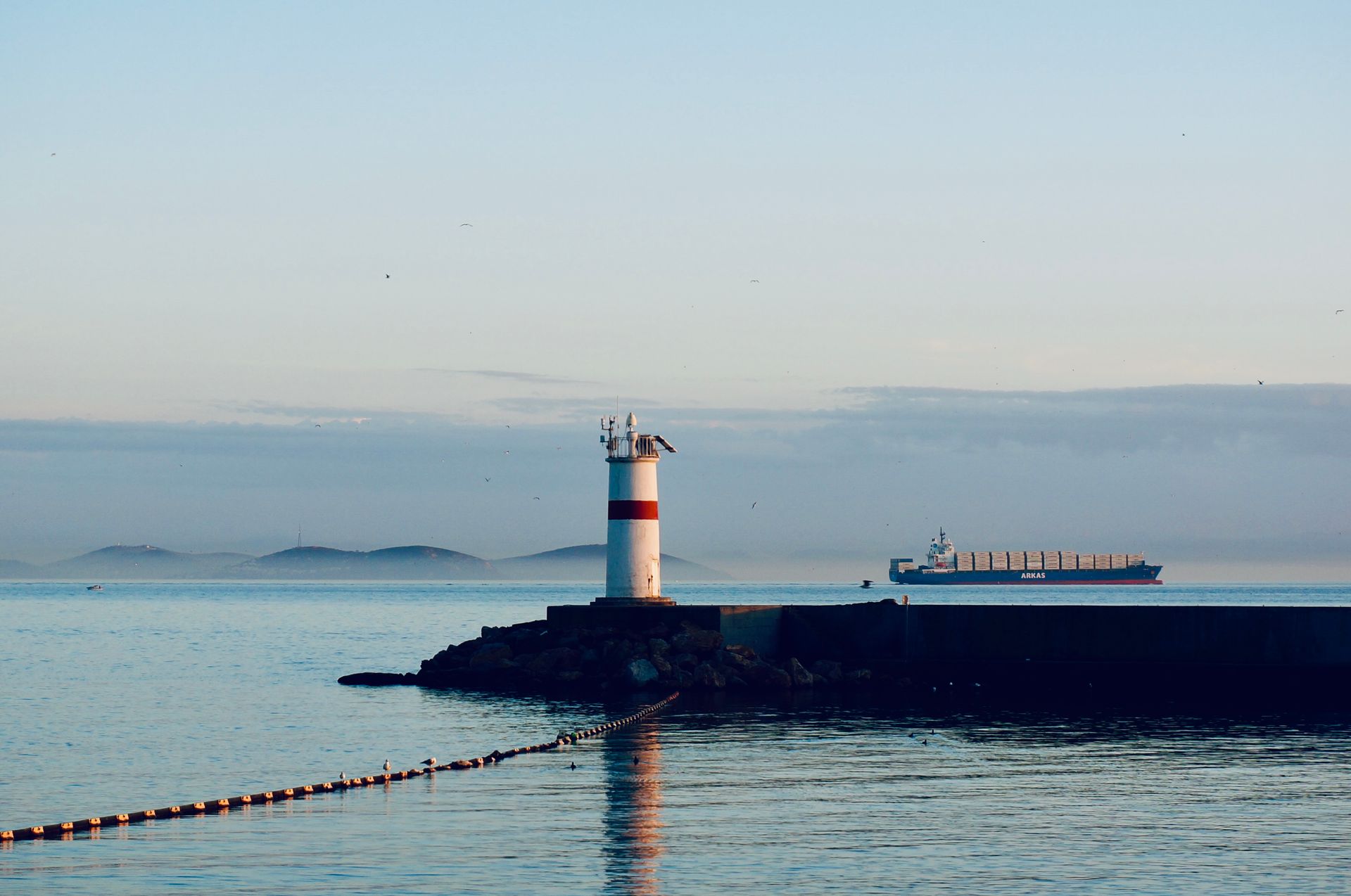
How drought is threatening electricity supplies across Europe
Droughts, heat and falling water levels on the Danube are hitting central and southeastern Europe hard, with Hungary and Romania facing an energy crunch. Countries such as Bulgaria appear better prepared for the strain on power supplies.
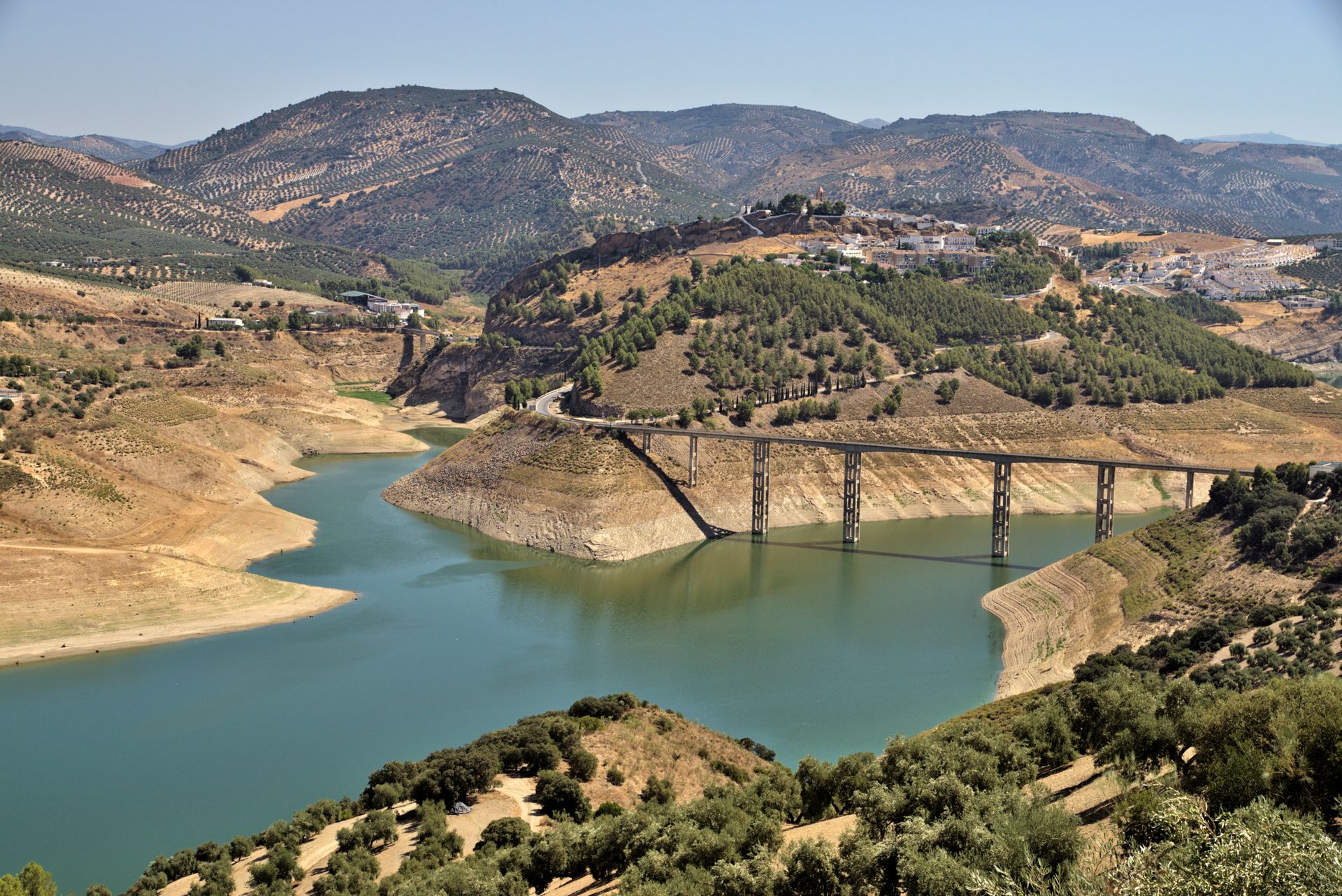
An ongoing drought across central and southeastern Europe, combined with high heat and falling water levels on the Danube, is straining electricity generation. Nuclear plants and hydroelectric facilities are being forced to run below capacity because of insufficient cooling water and reduced river flow.
Hungary and Romania are caught between rising demand and falling output, pushing both countries toward the edge of an energy crunch. Officials warn that available capacity is approaching a critical threshold.
By contrast, countries such as Bulgaria appear more resilient thanks to a more diversified energy mix and more flexible grid infrastructure. Experts say climate change is forcing the region to rethink long-term energy security planning.
Read next
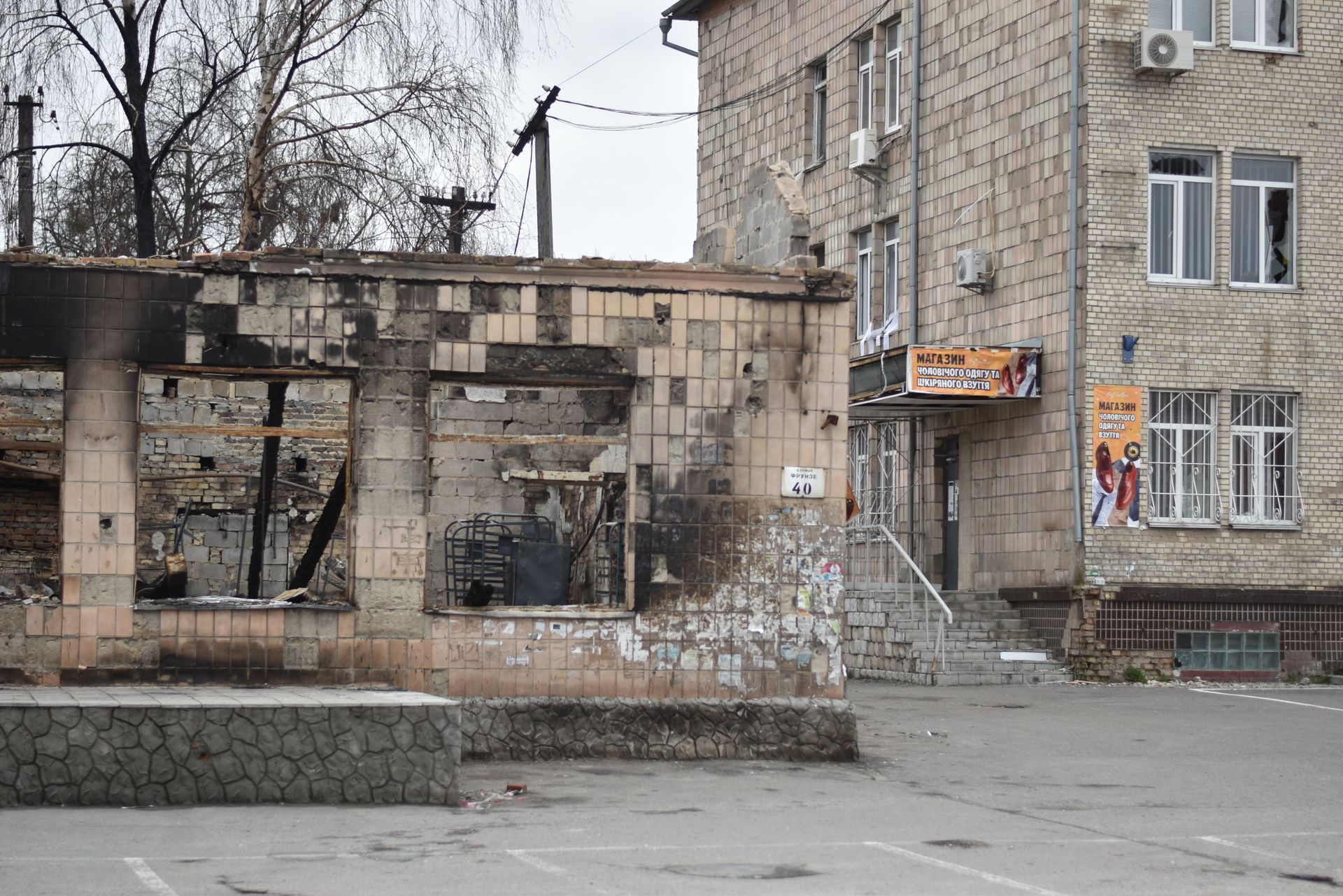
Russian strikes on Ukraine's Sumy and Kharkiv regions kill at least six
At least ten people were killed overnight in Russian attacks across Ukraine, according to local authorities, with strikes hitting the Sumy, Odesa and Kyiv regions. Ukraine said it responded by striking oil refineries deep inside Russian territory. The exchange underscores how the war continues to escalate on both sides of the border.

Iran's draft Hormuz plan would bar US and Israeli vessels, oil prices rise

Record heatwave across Asia stokes fears of energy crisis, health risks
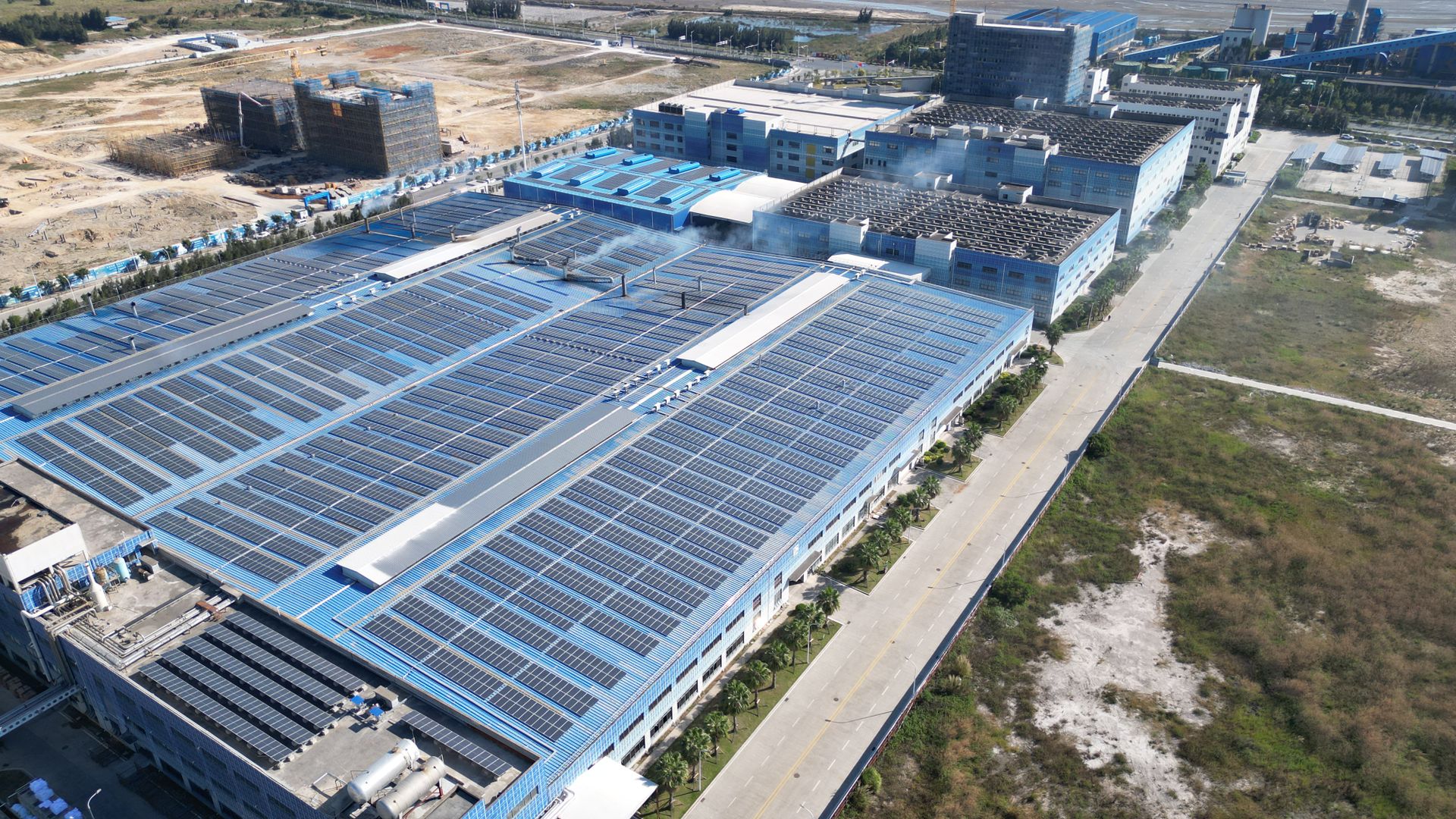
US imposes 15% tariff on polysilicon in pushback against China