EU Energy Bill Up €35 Billion Because of Middle East Conflicts
The European Union's energy import bill has risen €35 billion this year because of Middle East conflicts and higher prices for liquefied natural gas. The European Commission says winter stocks are on target but warns that 2026 spending will impose extra fiscal strain. Industrial producers face significant cost pressure.

Figures published by the European Commission show the EU's energy import bill has risen €35 billion compared with last year. The Commission says the main drivers are supply concerns generated by Middle East conflicts and a sharp rise in liquefied natural gas prices. The data also adds pressure to Europe's energy transition targets.
Officials stress that gas storage facilities ahead of winter are above target. Yet competitiveness concerns are mounting in Germany and Italy, where industrial users face high power prices. Sector groups such as EUROFER and Cefic say temporary cuts to production are being discussed.
The Energy Commissioner says diversification of LNG sourcing has lifted the share of the United States and Norway, but adds prices will remain volatile while the Iran conflict continues. The European Investment Bank's €200 billion programme for renewable capacity is expected to be accelerated during the year.
More from Europe

Şimşek Says Turkey's Balance of Payments Data Confirms Continued Rebalancing
Reviewing Türkiye's balance of payments data, Treasury and Finance Minister Mehmet Şimşek said improvement in the current account is supporting the anti-inflation programme. He said services revenue and direct investment are making positive contributions. The annual current account deficit continues to narrow as a share of GDP.

CBRT April Inflation Assessment: Annual inflation rises to 32.37 percent
The Turkish Central Bank released its April inflation assessment, showing consumer prices rose 4.18 percent month-on-month, while annual inflation climbed to 32.37 percent—up 1.50 percentage points. Energy prices surged 14.4 percent, with the underlying trend moving higher.
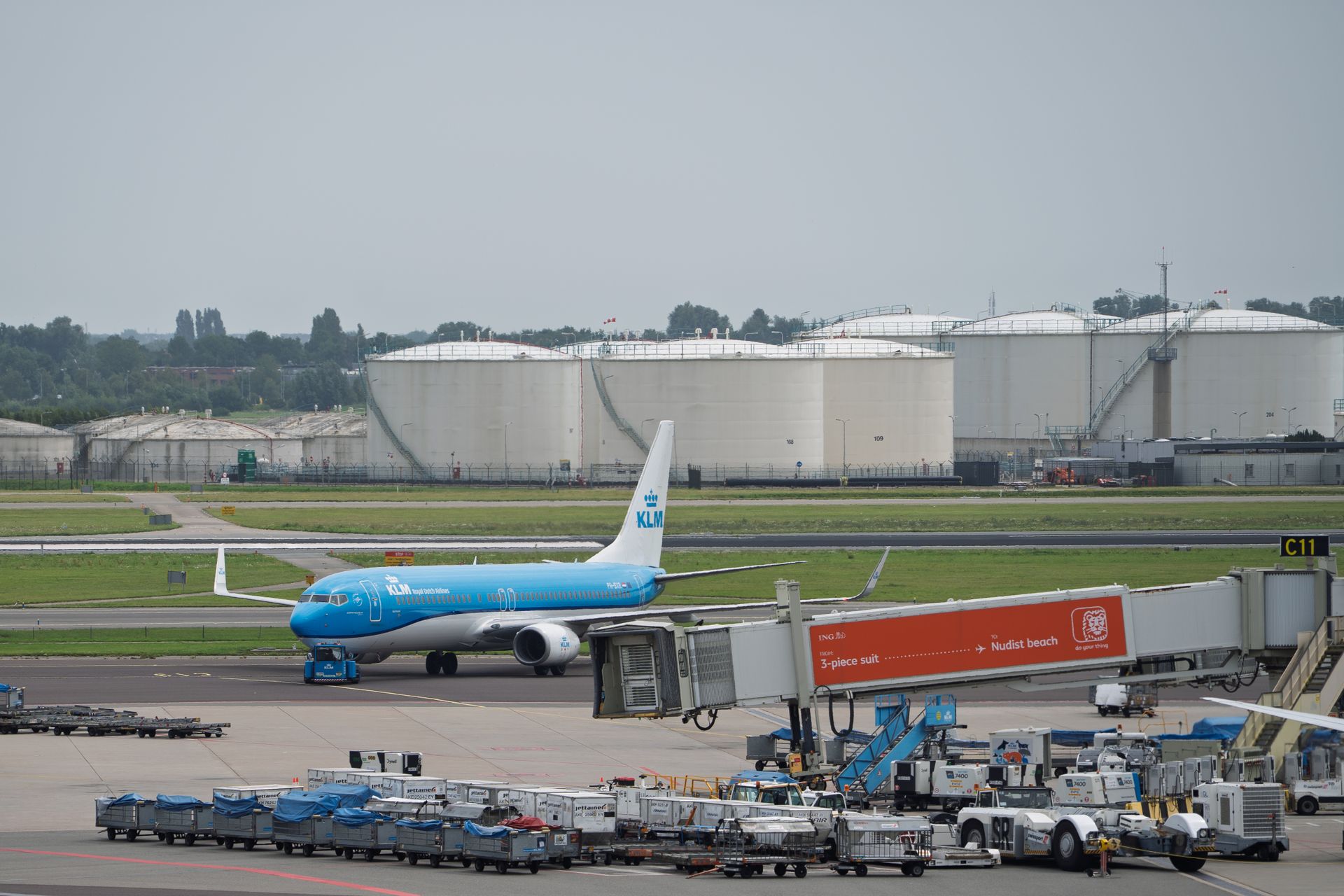
Airlines can cancel flights in advance over fuel shortages under new plans
Under new UK government plans, airlines can cancel flights in advance due to fuel shortages rather than wait until the last minute. This allows passengers time to rebook and make alternative arrangements.