Air New Zealand cuts 5% of its flights as job losses loom
Air New Zealand has cut 5% of its global flight schedule, citing a sharp jump in jet fuel costs. Chief executive Nikhil Ravishankar said some international routes would also be dropped. The carrier expects a full-year loss of nearly NZ$400 million.
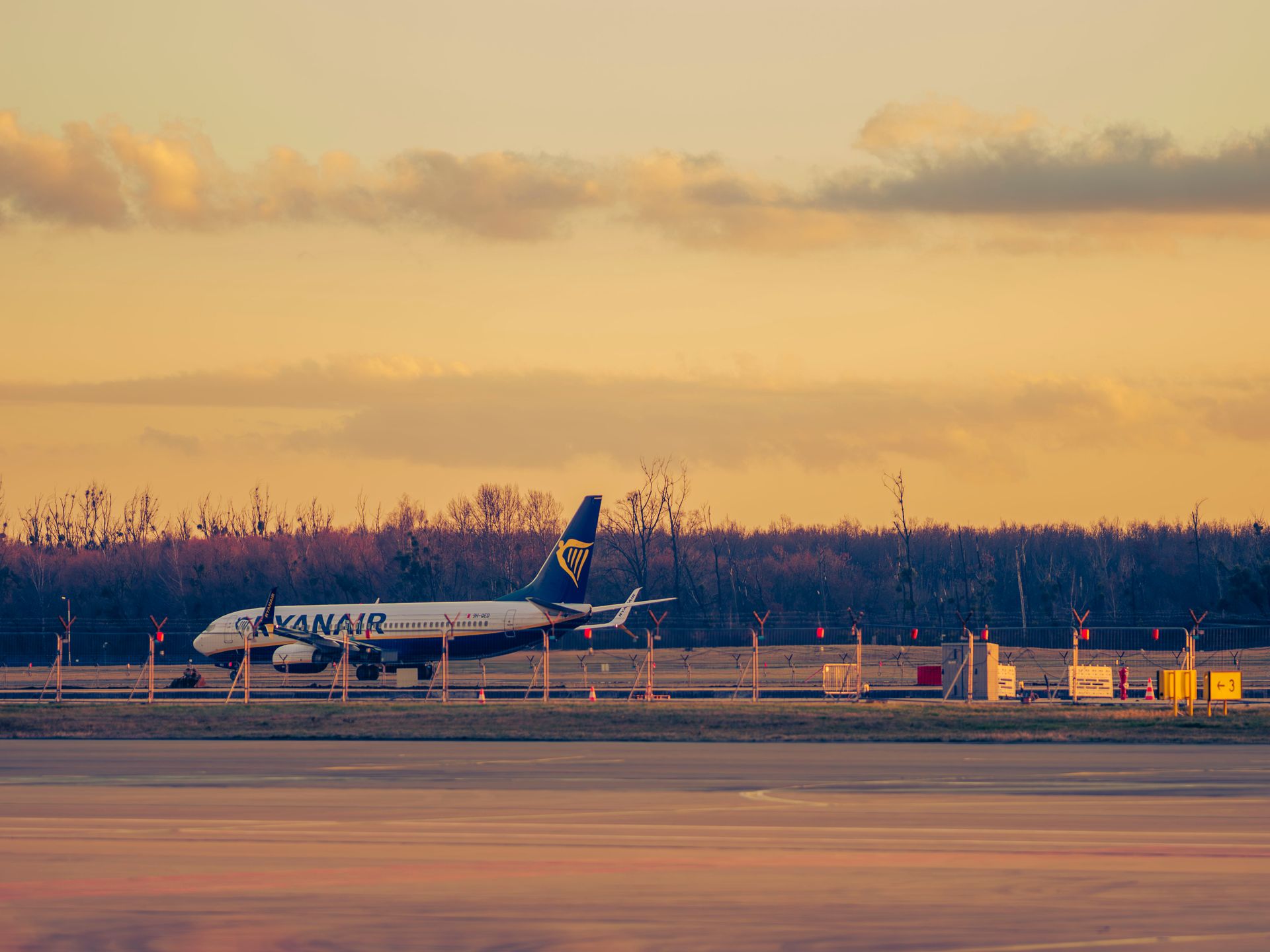
Air New Zealand has announced it will cut 5% of its global flight schedule. The carrier said the main reason was the sustained rise in jet fuel costs since the start of the war involving Iran. Chief executive Nikhil Ravishankar said the airline was working on which international routes would be dropped.
Ravishankar said staff cuts were also possible, but the scale of any layoffs would only be set once route planning was complete. An internal memo said long-haul flight frequencies would be reduced first. Air New Zealand told investors it expected a full-year loss of between NZ$380 million and NZ$420 million, one of its worst results in a decade.
The New Zealand Aviation Union said the move was abrupt and called on the government to intervene. Shares fell by close to 6% on the Auckland exchange. Other Asia-Pacific carriers such as Qantas and Cathay Pacific have also flagged pressure from higher fuel costs; similar steps could follow across the industry.
More from Australia-Pacific

Dozens injured as tourist coach rolls over on Queensland's Bruce Highway
Dozens of passengers were injured after a tourist coach rolled over on Queensland's Bruce Highway in Australia. Some passengers face life-threatening injuries. Emergency services were dispatched to the scene and a stretch of the highway was closed.

Independent senator Tyrrell joins Labor as Albanese taunts opposition over budget reply
Independent Australian senator Tammy Tyrrell has crossed the floor and joined the Labor caucus. Prime minister Anthony Albanese taunted opposition treasury spokesman Angus Taylor over his budget reply, continuing the row over tax policy.

New Zealand natural gas reserves decline to lowest level in 20 years
New Zealand's proven natural-gas reserves have fallen to their lowest level in 20 years, RNZ reported. The decline of a fuel critical for industry and electricity raises new questions over prices and climate policy.