India to prioritise releasing stranded vessels in Hormuz, may resume tanker loading
Officials said about 35 tankers under Indian flag or bound for India are being held by Iran. New Delhi indicated it could resume tanker loading as soon as conditions allow.

A senior Indian foreign ministry official said New Delhi's priority is the release of about 35 commercial tankers held by Iran in the Strait of Hormuz. Officials underlined that diplomatic channels with Tehran and via Pakistan are being actively used.
India imports 4.5 million barrels of oil per day, with about 38 percent coming from Gulf states. If the Hormuz crisis persists, India's strategic petroleum reserves can last for a maximum of 45 days. Major refiners such as Reliance Industries and Indian Oil Corporation are reviewing their operations plans.
India also said it would raise the situation of its stranded vessels at the UN Security Council. Oil prices fell about $1.2 per barrel after the announcement. Refiner shares on the Mumbai exchange showed a limited decline, on average 0.8 percent. The development underlines India's growing exposure to Iran-war supply disruptions.
More from Asia
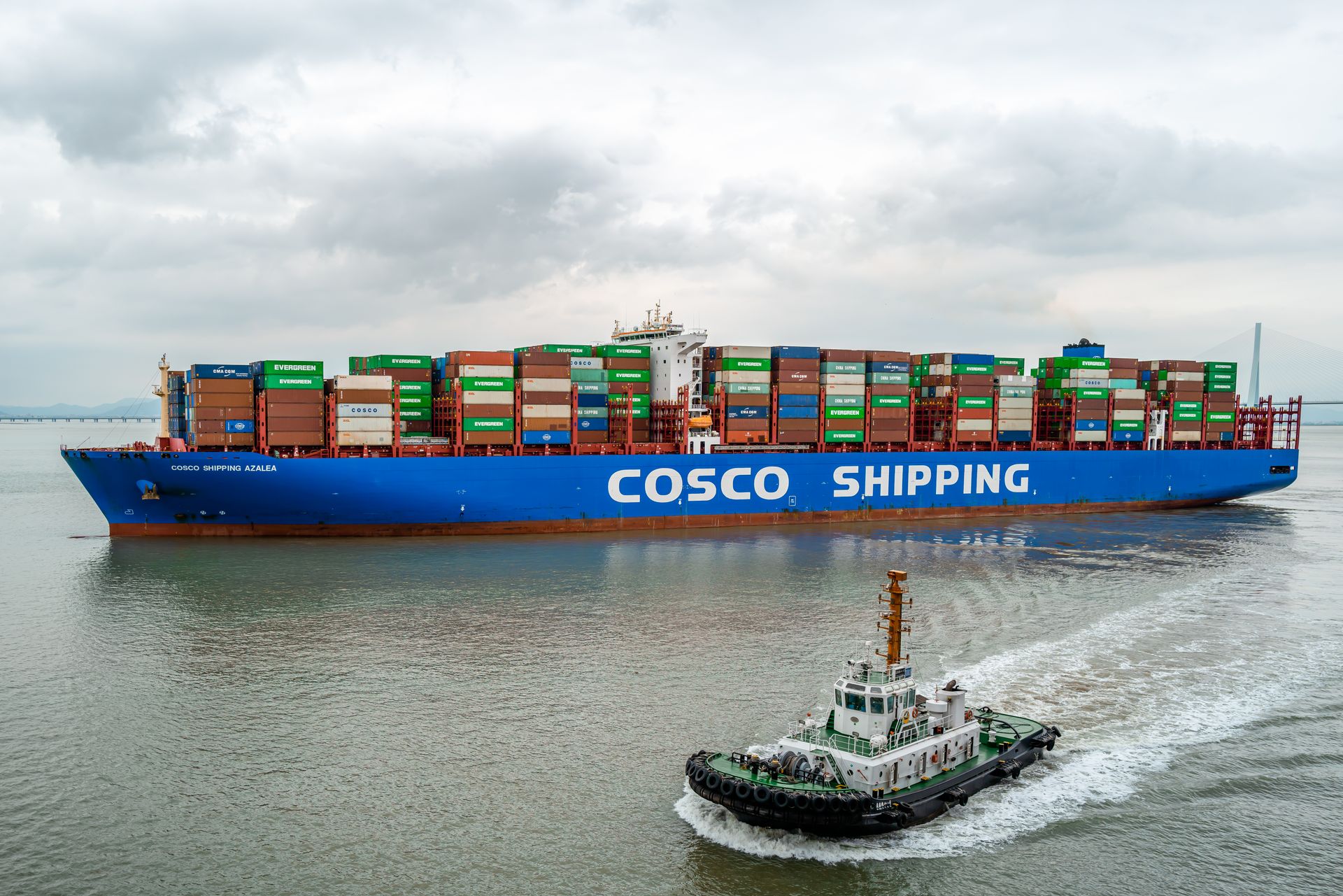
Japan to bolster sea lane defence with Southeast Asia info-sharing plan
Japan will set up a broad maritime information-sharing framework with Southeast Asian countries, led by the Philippines, Vietnam and Indonesia. With the Hormuz crisis and South China Sea tensions in the background, Tokyo is moving to protect critical trade lanes.

Kawasaki Heavy partners with Nvidia on physical AI, opens US robotics centre
The Japanese industrial group will integrate Nvidia's chips and Isaac software platform into its factory-floor robots. The company also announced the opening of a robotics research centre in Dallas, Texas.

Inflation storm builds in India as rupee sinks deeper
India's wholesale price inflation is expected to face additional upward pressure as oil and metal prices remain elevated amid geopolitical tensions. A weakening rupee is further worsening the inflation outlook, a new report warned.