New Zealand and Australian Businesses Report Higher Costs and Risks From Middle East Conflict
A new survey showed the Iran war is significantly raising costs for businesses in New Zealand and Australia. Forty-eight percent of New Zealand firms reported freight delays, compared with 32% in Australia.
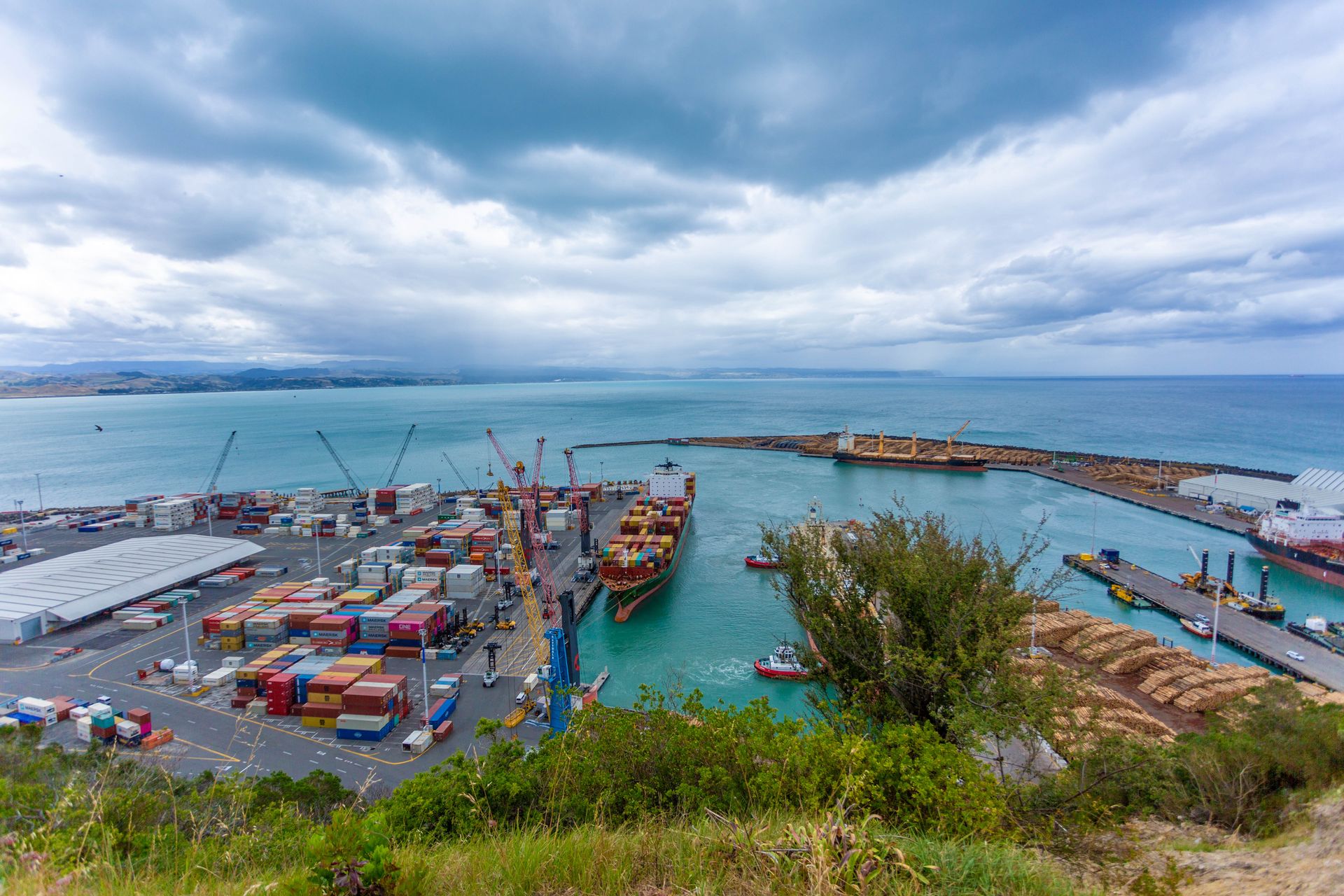
Business organisations told RNZ that supply chain uncertainty stemming from the Iran war is putting growing financial pressure on companies in New Zealand and Australia. The survey found 48% of New Zealand firms reported freight delays, against 32% in Australia.
A significant share of businesses said they have started passing rising fuel, insurance and shipping costs into their sale prices. The report indicated that margins for small and medium-sized firms have tightened sharply, with revenue losses becoming visible at export-oriented manufacturers.
The Reserve Bank of New Zealand and the Reserve Bank of Australia warned in their latest bulletins that geopolitically driven cost pressures could affect the inflation outlook. Analysts say a prolonged war could push back the timing of rate cuts in both economies.
More from Australia-Pacific

Australia's Treasurer Chalmers Says Federal Budget Takes 'Hard Road of Reform'
Australian Treasurer Jim Chalmers said the federal budget being delivered Tuesday evening will be the government's most ambitious yet, featuring an unusually large amount of savings and structural reform. The signal comes as the economy slows.
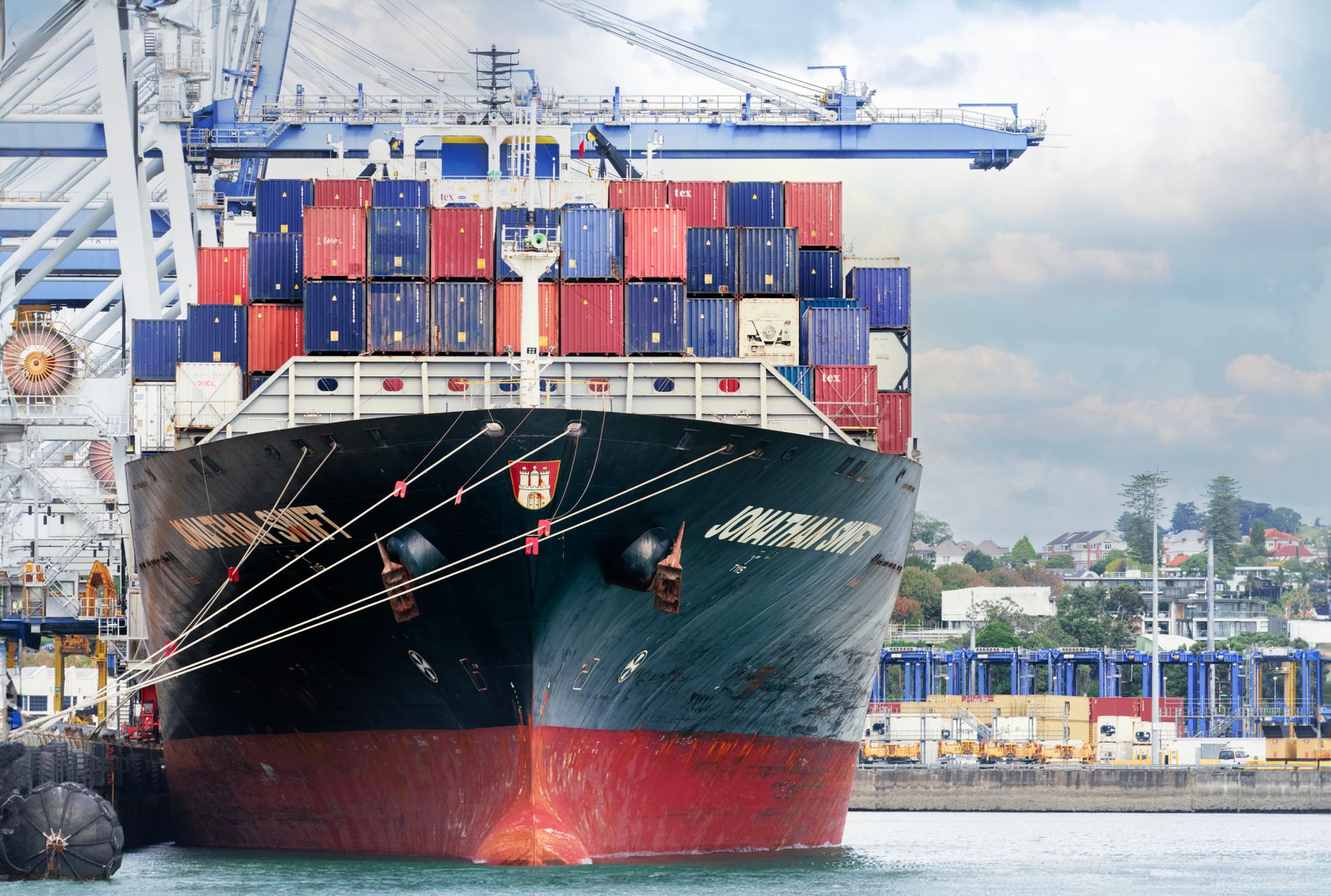
New Zealand Manufacturers Sell Off Stock as Iran Conflict Hits Revenue
A large share of New Zealand manufacturers have begun discounting inventory aggressively as the Iran war damps demand and lifts shipping costs, according to the sector's industry body. Over half of surveyed members reported revenue declines. The government is weighing temporary support.

Australia 2026 Budget: Chalmers Hands Down Smaller Deficits in Fifth Budget
Australian Treasurer Jim Chalmers delivered the country's fifth federal budget under Labor with notably smaller deficit projections for coming years. Strong commodity revenues and a resilient labour market underpin the improved figures. Housing, defence and energy headline an election-year package.