Russia tests Sarmat intercontinental ballistic missile
Russia's Defence Ministry said an RS-28 Sarmat intercontinental ballistic missile had been successfully test-fired from the Plesetsk range. The Pentagon confirmed the launch and NATO called an extraordinary session for joint consultations. Moscow said advance notification had been given.
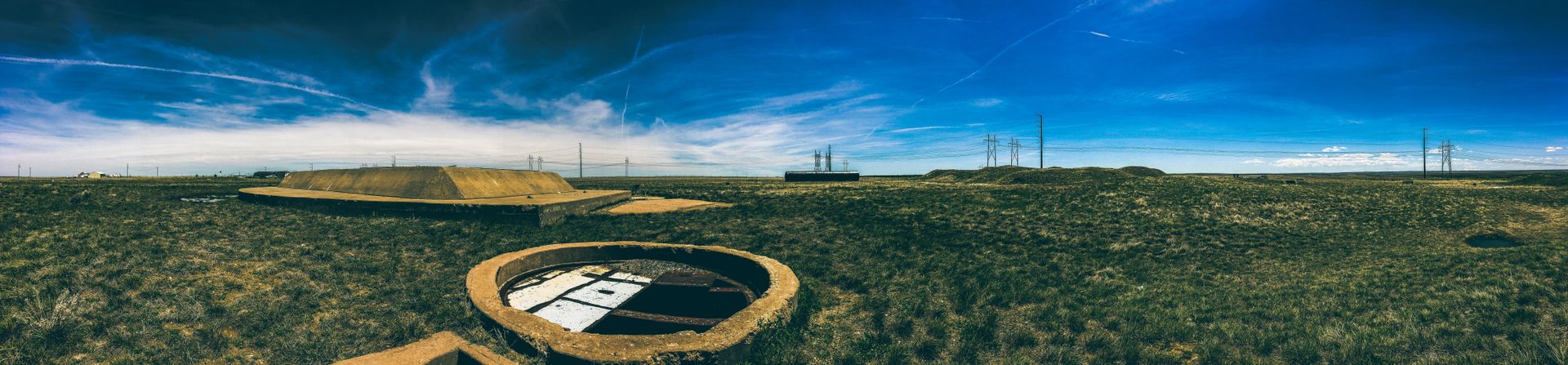
Russia's Defence Ministry said the Sarmat missile, launched from Plesetsk, struck its planned target at the Kura test range on the Kamchatka peninsula. The launch was announced as part of the Strategic Rocket Forces' annual training calendar. A Pentagon spokesperson said the operational implications of the test are being assessed.
Moscow stressed that it had notified the United States and NATO in advance through the New START treaty notification mechanism. NATO Secretary General Mark Rutte announced that a consultation meeting among allies will take place on Wednesday. Poland and the Baltic states are preparing a joint statement.
Sarmat is presented as a new-generation system with a range of more than 5,000 kilometres and the capacity to carry multiple warheads. US defence analysts say the timing of the test, against the backdrop of the Ukraine conflict and Pacific tensions, is intended as a strategic signal. European defence shares closed higher on the news.
More from Europe

UK borrowing costs jump as uncertainty over PM Starmer's future continues
UK ten-year gilt yields rose almost 20 basis points in a single session to a two-year high. Investors are unsettled by the continued resignation calls directed at Prime Minister Keir Starmer. Sterling also lost ground against the dollar.

CBRT April Inflation Assessment: Annual inflation rises to 32.37 percent
The Turkish Central Bank released its April inflation assessment, showing consumer prices rose 4.18 percent month-on-month, while annual inflation climbed to 32.37 percent—up 1.50 percentage points. Energy prices surged 14.4 percent, with the underlying trend moving higher.
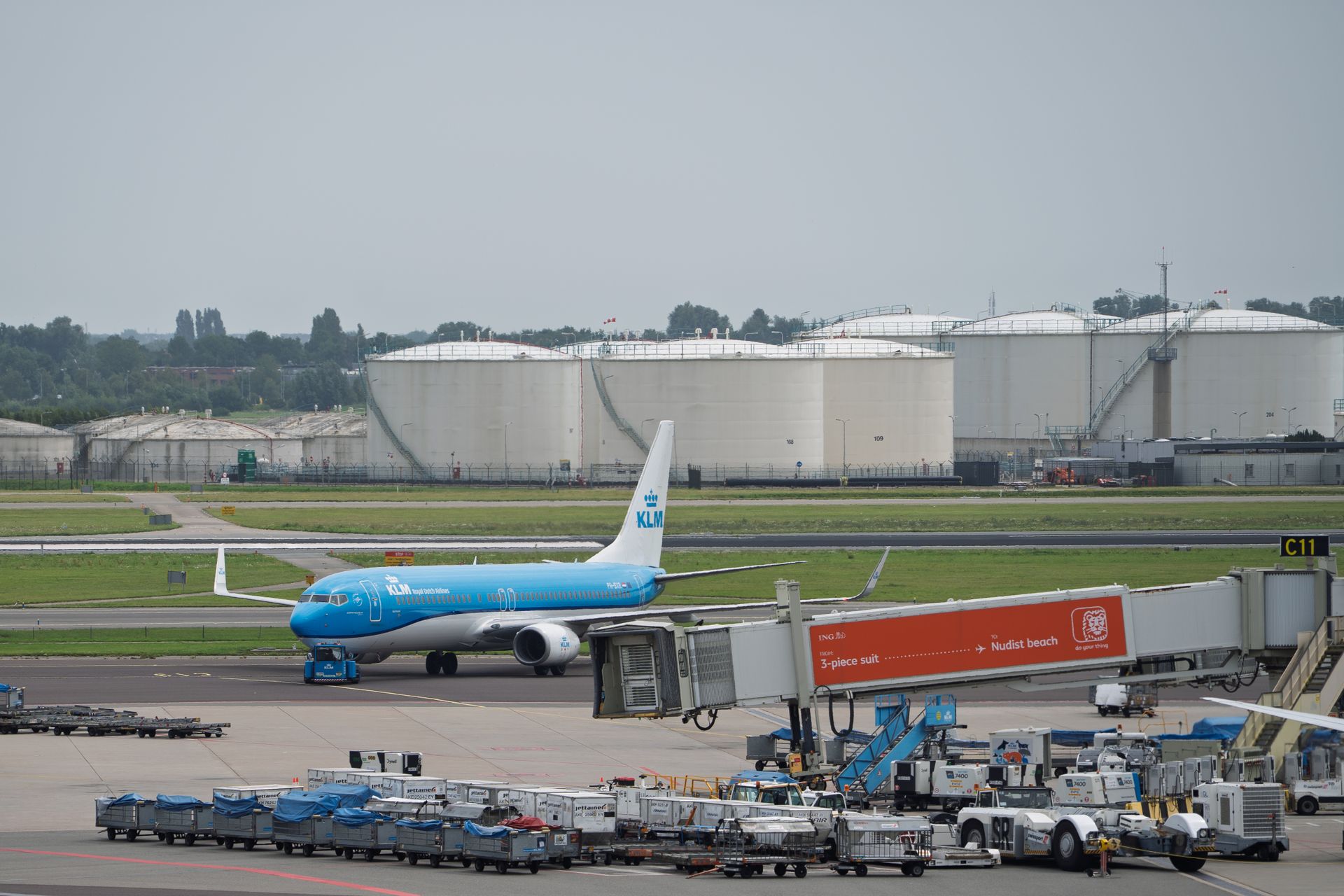
Airlines can cancel flights in advance over fuel shortages under new plans
Under new UK government plans, airlines can cancel flights in advance due to fuel shortages rather than wait until the last minute. This allows passengers time to rebook and make alternative arrangements.