Whyalla locals react to news of steelworks' final bidders
Residents of Whyalla in Australia have welcomed more certainty about the future ownership of the city's steelworks after final bidders were named. But locals say it is still not enough to bring business investment and workers back to the Spencer Gulf.
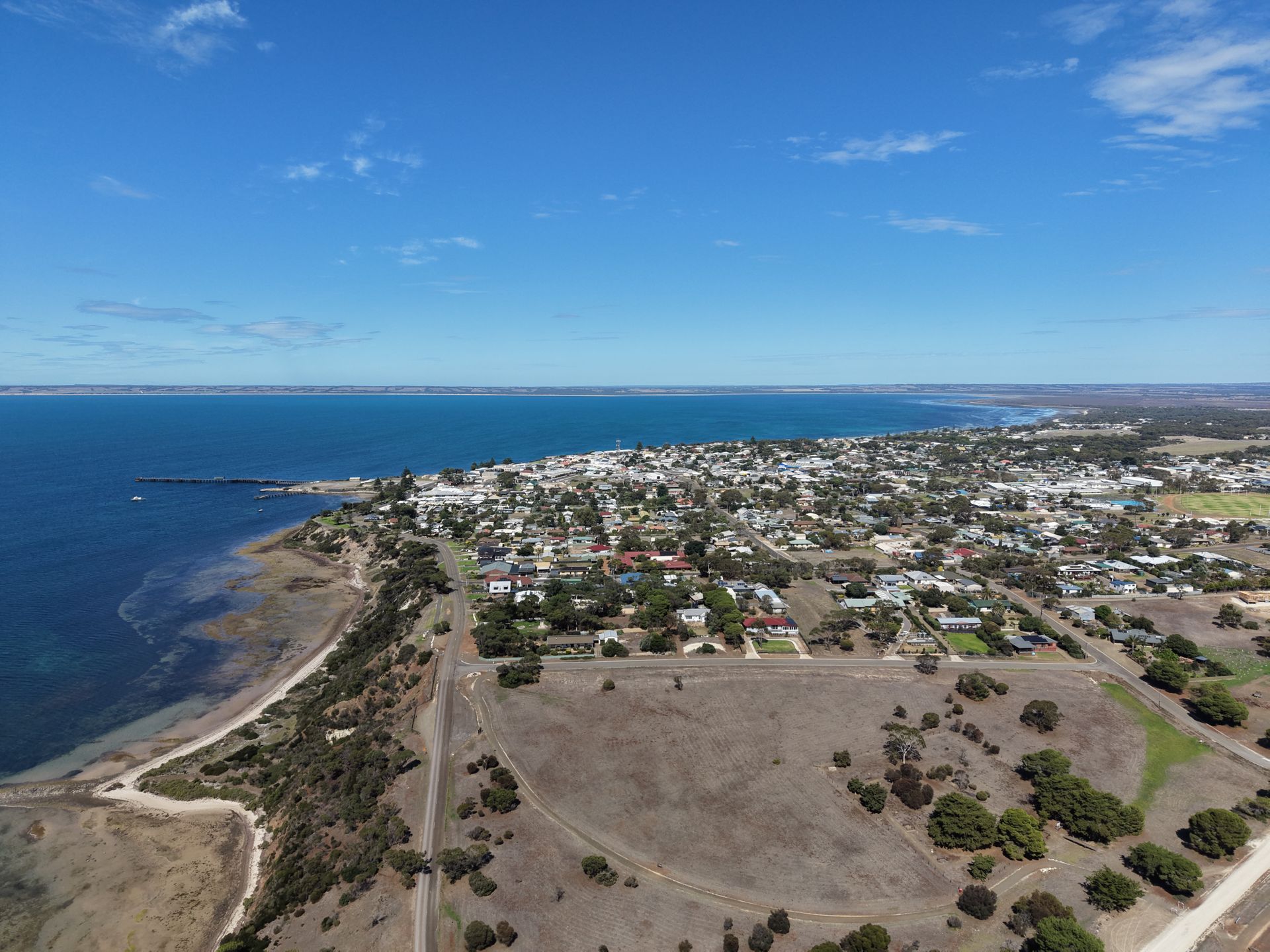
In the South Australian city of Whyalla, the naming of final bidders for the steelworks, which has been under administration for some time, has been met with cautious optimism by locals. According to the ABC, residents welcome the reduced uncertainty over who will own the plant.
But many say the process alone is not enough to prompt businesses to invest and workers to return to the city. The steelworks is the backbone of the economy of the city on the Spencer Gulf, and its future directly affects employment in the region.
Governments had stepped in to support the plant's continued operation. Which bid is ultimately accepted, and the new owner's investment plans, will be decisive for the city's future. This article is for general information and is not investment advice.
More from Australia-Pacific

What New Zealand's cash-rate decision means for home loan rates
Short-term home loan rates are likely to feel the most immediate impact of the Reserve Bank of New Zealand's decision on Wednesday to keep the official cash rate on hold. Economists say the effect will vary across loan terms.
Aspiration has changed since the Howard era. This budget is finally catching up
Treasurer Jim Chalmers's 2026-27 budget proposes a sweeping reorientation of housing, childcare and education incentives. According to ABC analysis, the budget breaks with the middle-class identity of the John Howard era and refocuses on a younger generation of renting voters.

Will drastic NDIS overhaul repeat the mistakes of the past?
Australia's planned overhaul of the National Disability Insurance Scheme is raising fears that the cuts could repeat the mistakes of the 1980s deinstitutionalisation wave. Advocates and health experts warn sudden changes could leave a serious care gap.