Global oil inventories to fall below 100 days of demand on Hormuz blockade
Global oil inventories are expected to fall below 100 days of demand because of the blockade in the Strait of Hormuz, according to Nikkei Asia. The squeeze on supply is heightening concerns over energy security in markets.
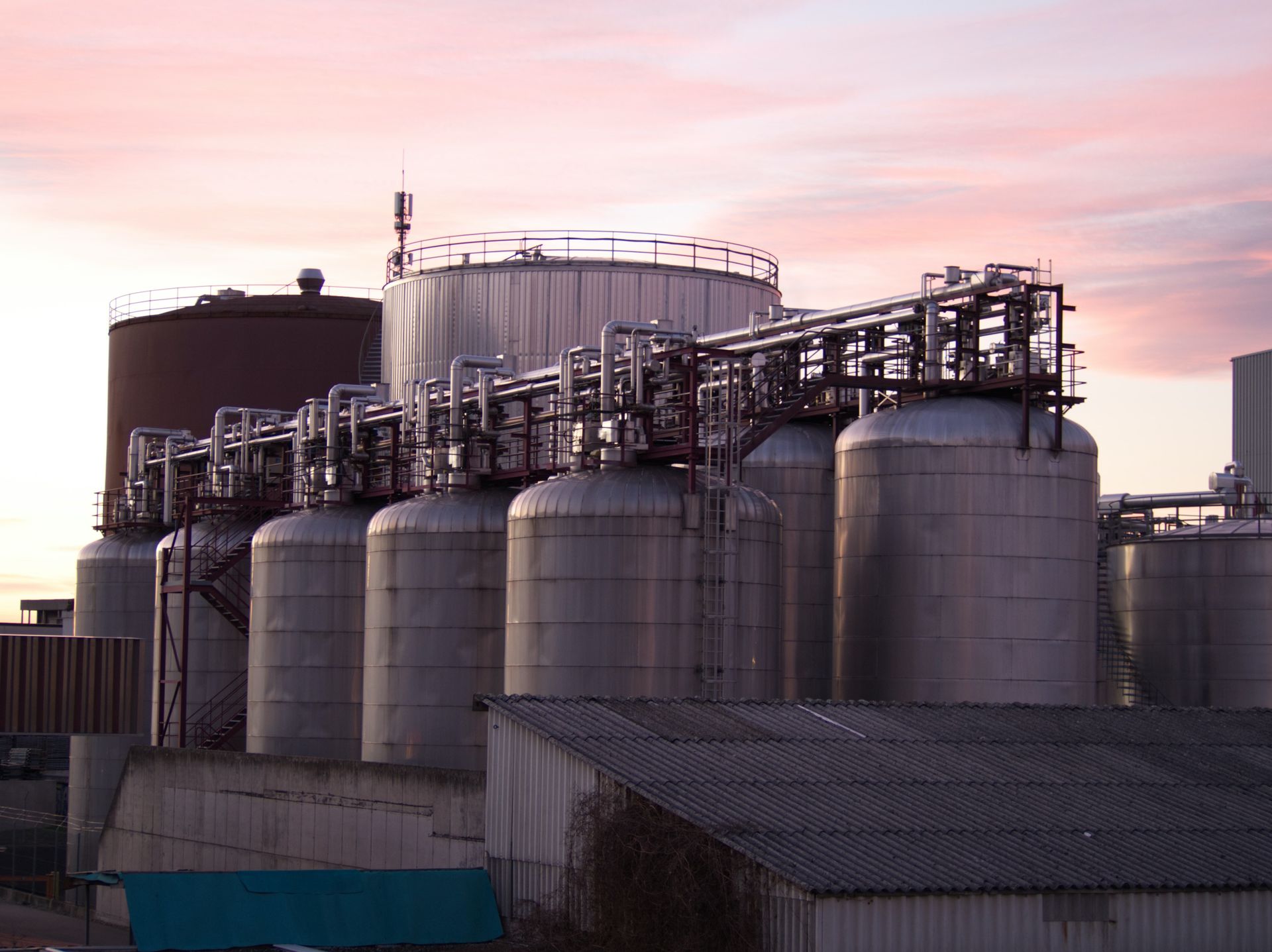
According to Nikkei Asia, the blockade in the Strait of Hormuz is drawing down global oil inventories, and a significant threshold is about to be crossed. Stocks, measured by the number of days of demand they could cover, are expected to fall below 100 days.
Hormuz is regarded as a critical corridor through which a large share of the world's seaborne oil passes. Any disruption to that passage can quickly affect the global supply balance and put upward pressure on prices.
The report says falling inventory levels raise supply-security risks for economies dependent on energy imports. Markets, it notes, will remain sensitive to the situation in the strait and to inventory data. This article is not investment advice.
More from Asia
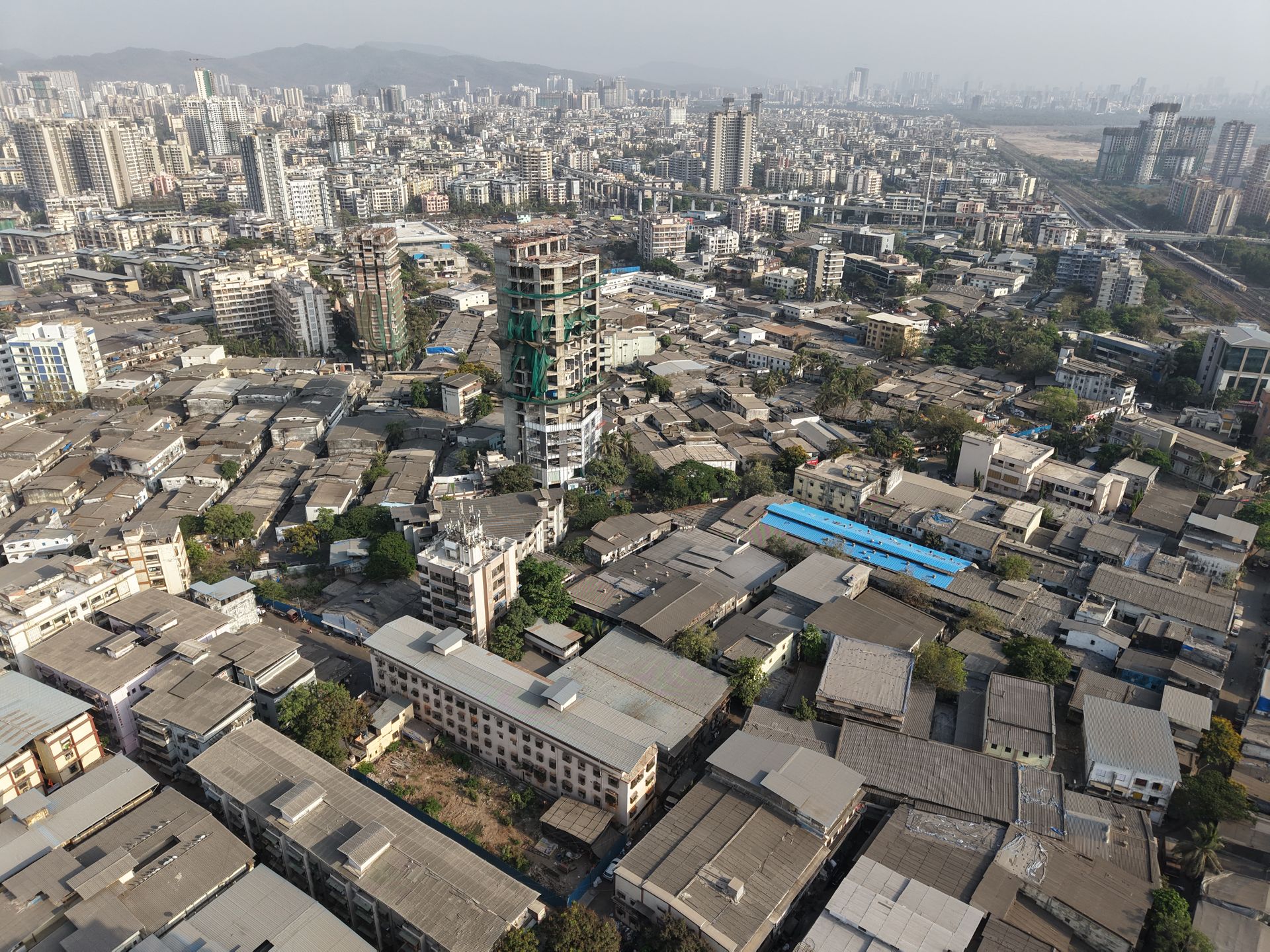
Indian billionaires buy foreign firms as growth slows at home
Indian companies are turning to global acquisitions as domestic growth slows. According to the BBC, India Inc spent $18bn on overseas buyouts in 2025, and deal value could top $15bn in the first half of 2026.
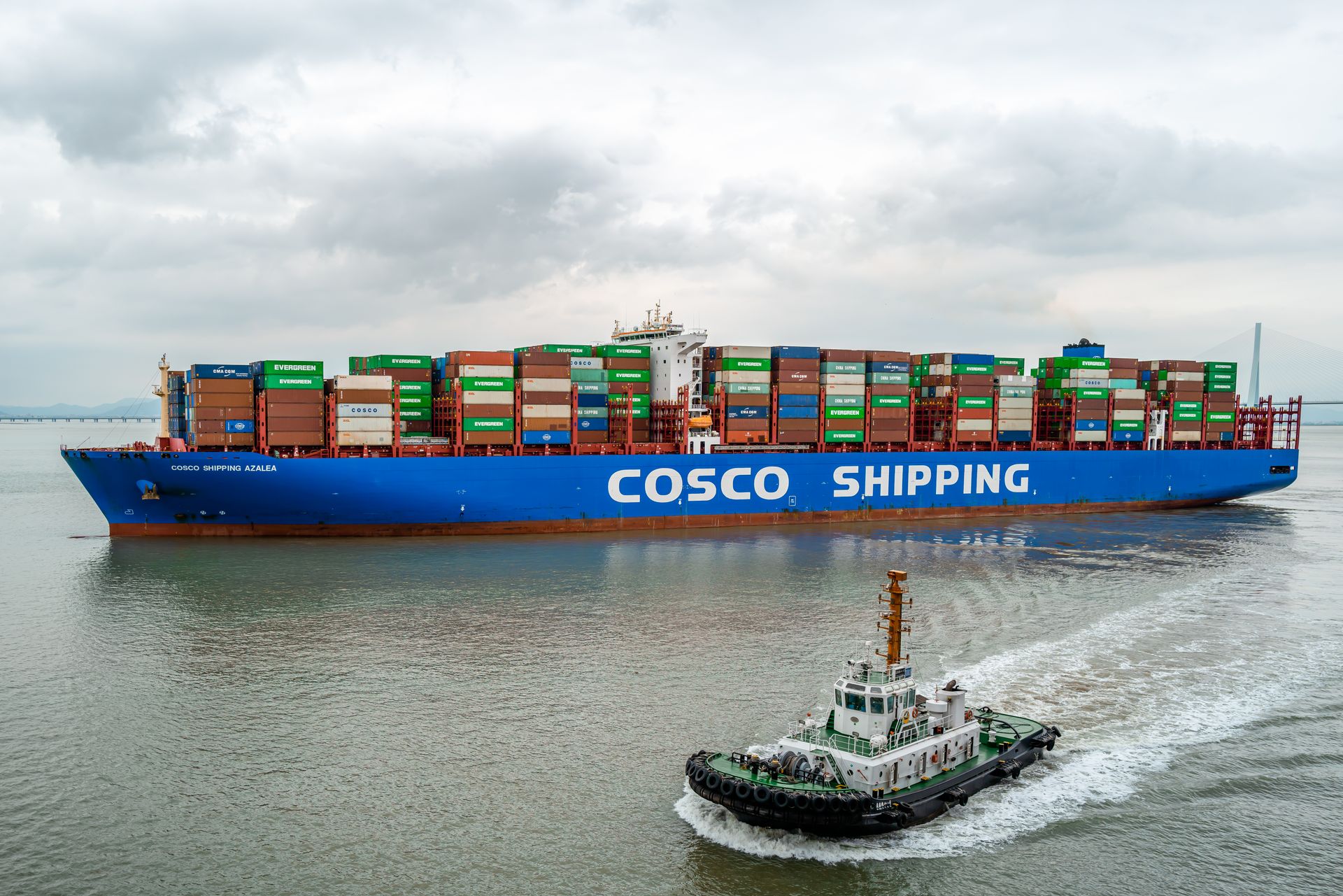
Japan to bolster sea lane defence with Southeast Asia info-sharing plan
Japan will set up a broad maritime information-sharing framework with Southeast Asian countries, led by the Philippines, Vietnam and Indonesia. With the Hormuz crisis and South China Sea tensions in the background, Tokyo is moving to protect critical trade lanes.

Huawei says its new Kirin phone chip overcomes US clampdown
Chinese tech giant Huawei said a new Kirin chip developed for its phones overcomes US-led export restrictions. The announcement marks a fresh stage in the US-China contest over chip technology.