Japan's crude imports plunge 50% since Iran war, exposing Mideast reliance
Japan's crude-oil imports fell 50 percent year on year in April, according to Nikkei Asia. The Iran-war-related disruption in the Strait of Hormuz has exposed the country's heavy reliance on Middle East supply.
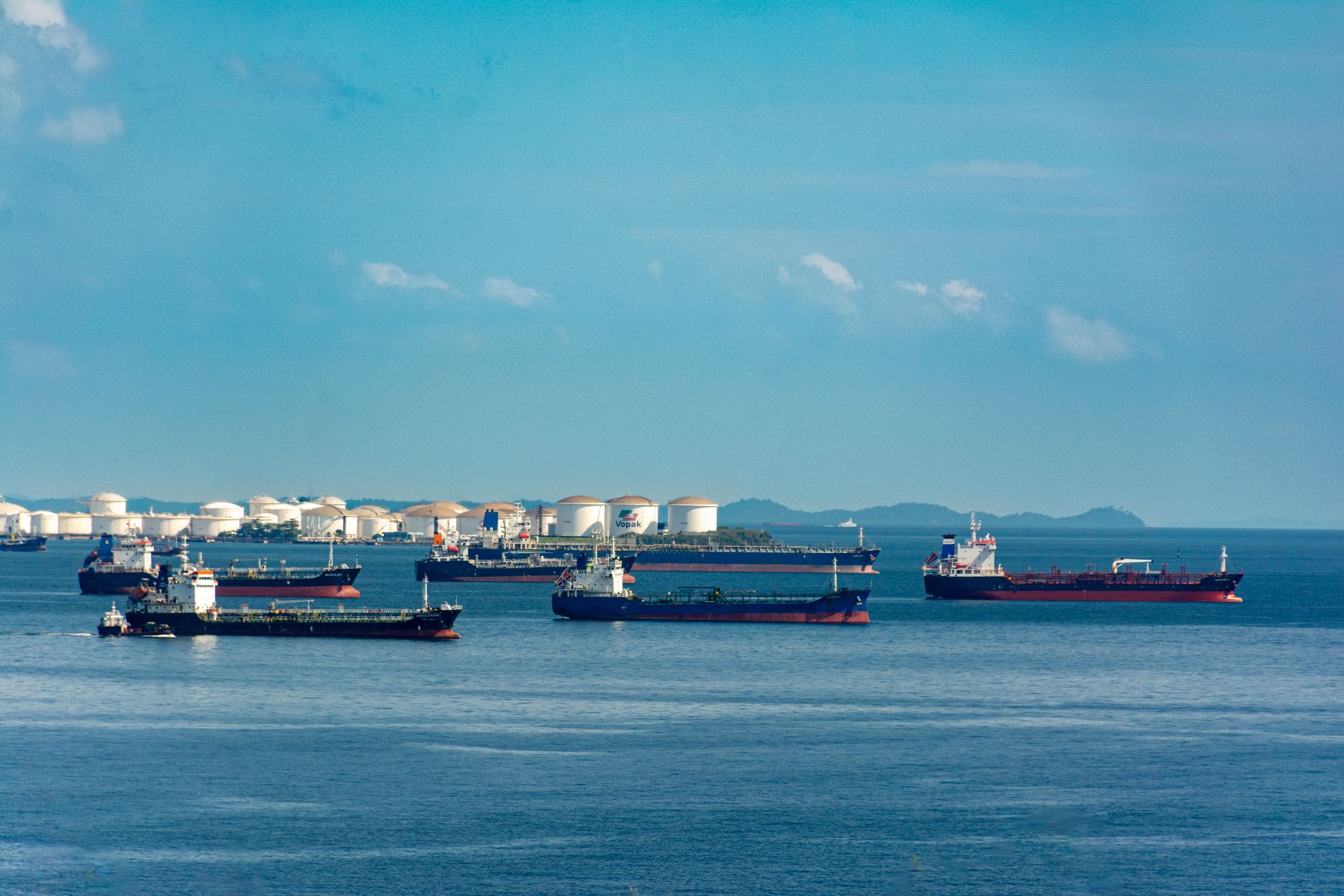
According to Nikkei Asia, Japan's crude-oil imports fell 50 percent year on year in April, one of the sharpest monthly contractions on record. Iran-war-related disruption in the Strait of Hormuz has slowed flows from Saudi Arabia and the United Arab Emirates, and Japanese refiners have moved into tight demand management. METI data show that strategic crude reserves stood at about 184 days of consumption at the end of March.
Mitsubishi UFJ senior analyst Kosuke Nishio told Nikkei that Japan's 'structural over-reliance on Middle East sources is resurfacing.' Cosmo Energy and Idemitsu Kosan warned that refining margins will tighten in the short term, while ENEOS shares traded mildly lower in Tokyo. The government said talks for additional supply with the United States and Australia have been accelerated.
METI's additional strategic-reserve plan, due by mid-June, will focus on alternative supply channels and an expansion of storage agreements with Singapore. This article is not investment advice.
More from Asia

Anthropic tops OpenAI as world's most valuable AI start-up at US$965B
Anthropic, the maker of the Claude AI assistant, has been valued at US$965 billion in its latest financing round, surpassing rival OpenAI as the world's most valuable AI start-up, Straits Times Business reported.
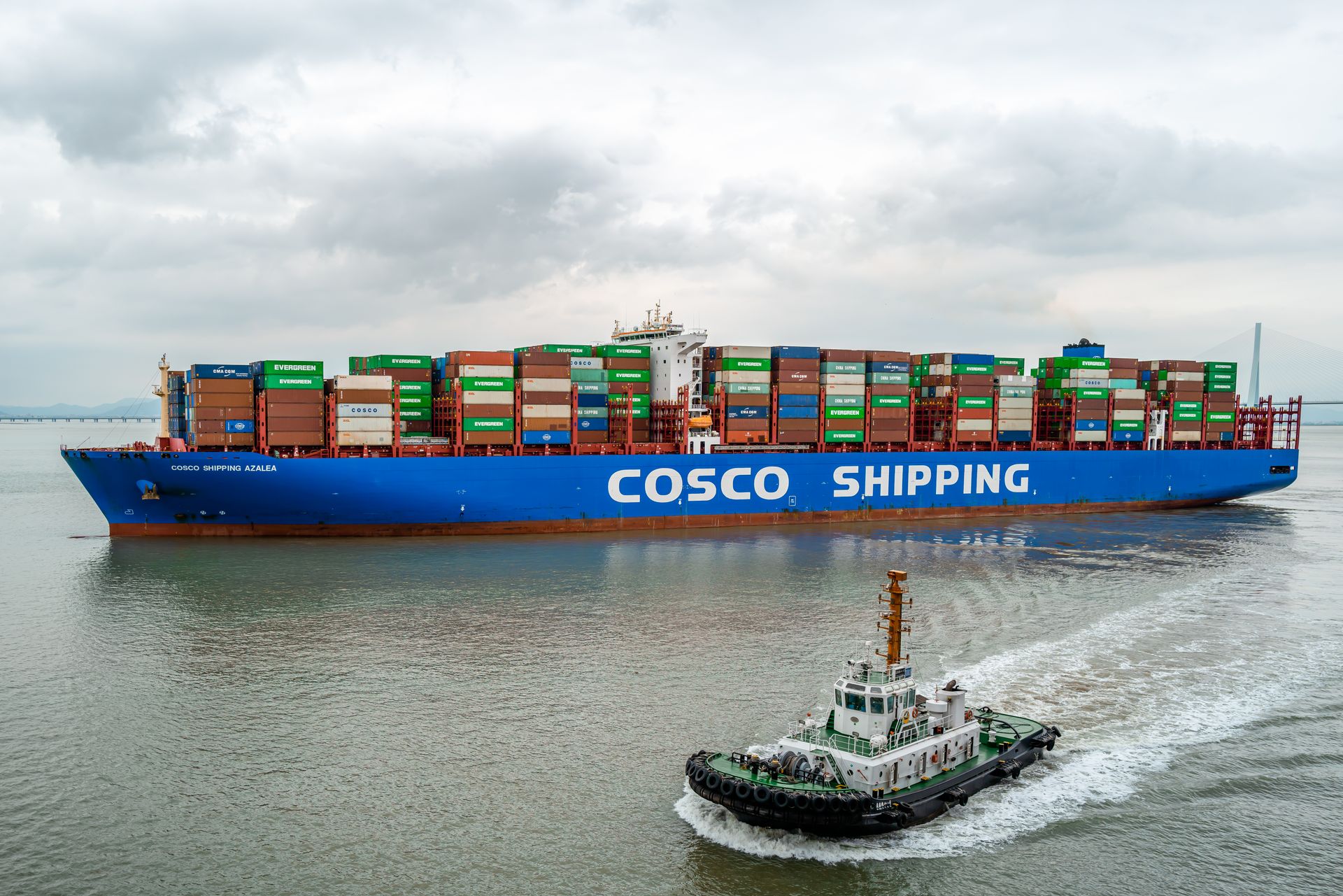
Japan to bolster sea lane defence with Southeast Asia info-sharing plan
Japan will set up a broad maritime information-sharing framework with Southeast Asian countries, led by the Philippines, Vietnam and Indonesia. With the Hormuz crisis and South China Sea tensions in the background, Tokyo is moving to protect critical trade lanes.

Japan PM Takaichi vows 'breakthrough' on North Korean abductee issue
Japanese Prime Minister Sanae Takaichi said she is determined to achieve a 'breakthrough' in resolving the long-standing issue of Japanese nationals abducted by North Korea, vowing to weigh all options, according to South China Morning Post.