China's Coal Conversion Boom Underpins Energy Security in Iran War's Shadow
As the Iran war threatens Middle East oil flows, China is rapidly scaling up its capacity to convert coal into chemicals and fuels, reducing its dependence on imported crude. The shift has significant implications for regional energy markets and Asia's broader supply security.
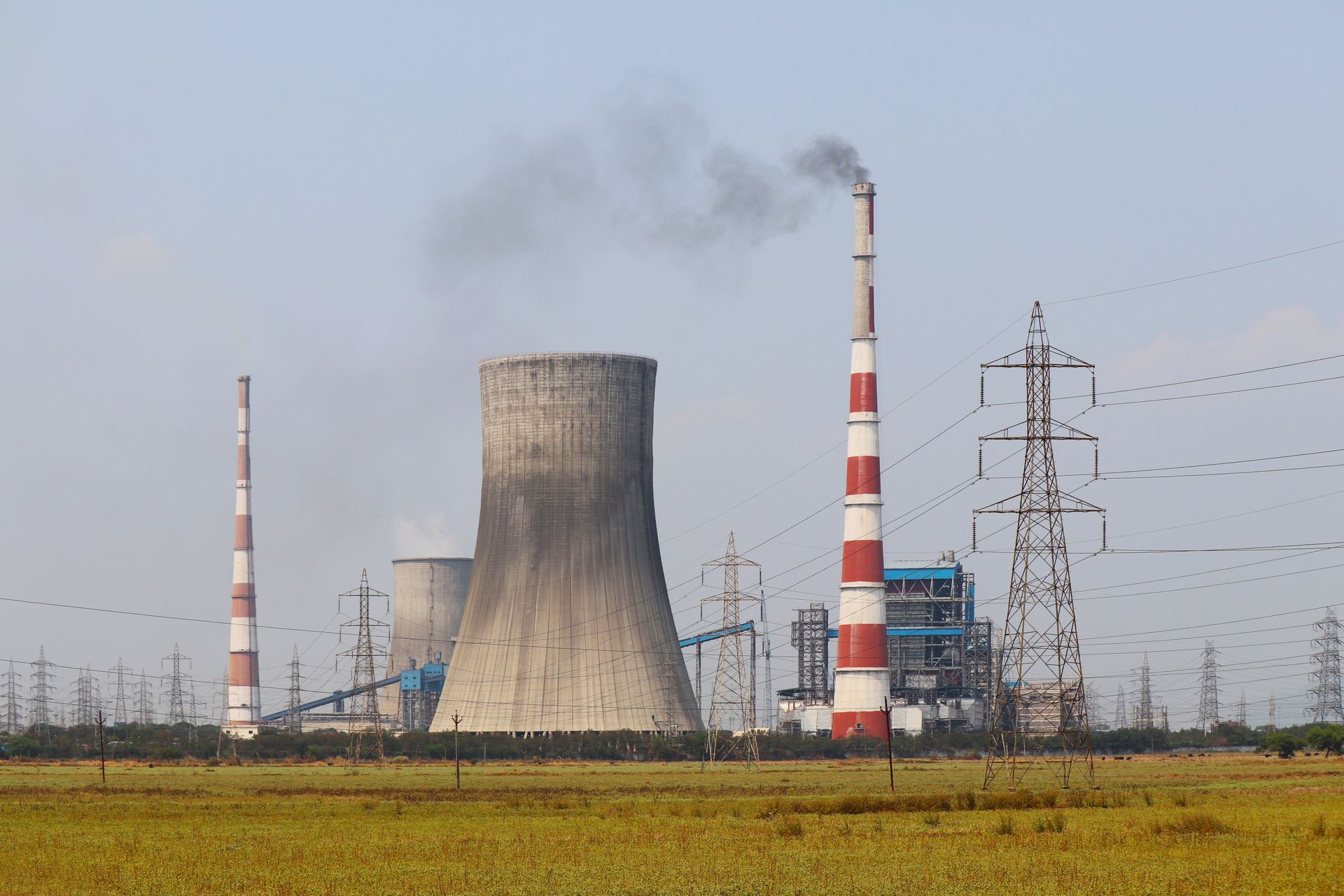
As the US-Iran war threatens oil flows through the Strait of Hormuz, China has accelerated investment in coal-to-chemicals and coal-to-liquids conversion capacity, systematically reducing its reliance on Middle East crude imports. According to Nikkei Asia, the build-out is driven by Beijing's determination to insulate its economy from potential supply disruptions.
While coal conversion technology remains more expensive than conventional refining, geopolitical security considerations have shifted Beijing's calculus. The prospect of Strait of Hormuz closures in an escalation scenario has elevated these projects from economic experiments to strategic imperatives, with new plants coming online across China's interior provinces.
The trend carries significant implications for Japan and other Asian economies that are heavily dependent on Middle East energy imports. China's self-sufficiency drive could reshape regional crude and LNG demand patterns, forcing Tokyo to revisit both its own import diversification strategy and its exposure to energy price volatility as the Iran conflict remains unresolved.
More from Asia

SK Hynix Flooded With Unprecedented Big Tech Orders for Memory Chips
South Korea's SK Hynix says it has received "unprecedented" orders from big tech firms eager to lock in supplies of high-bandwidth memory chips for AI servers. The chipmaker says its 2026 production capacity is largely sold out. Its shares are trading near record highs in Seoul.
Toyota Expects $5.5 Billion Hit From Iran War Fallout
Toyota said it expects an additional $5.5 billion in costs in fiscal 2026 because of fallout from the Iran war on global logistics and energy prices. The carmaker cut its profit guidance and signalled possible price changes for some US models. Its shares opened lower in Tokyo.

Explosion at China fireworks factory kills 26 people
An explosion at a fireworks factory in Hunan province, China, killed 26 people and injured 61, according to state media reports.