Syria restores credit card payments in push to rejoin the global economy
Al Jazeera reports that Syria has restored credit card payments after years of sanctions and technical gaps. The move is seen as a tangible step toward reintegrating the country into the global financial system.

Al Jazeera reports that Syria has confirmed credit card payments are working again inside the country. Years of sanctions, banking-sector isolation and technical gaps had effectively made international card use impossible. The new arrangement reportedly restores access to Mastercard and Visa infrastructure for a set of banks.
Officials describe the step as an important signal for the country's economic restart. Syrian authorities say embedding the global payment system into the local economy will support foreign investment and cross-border e-commerce. Diaspora remittances into Syria are also expected to rise.
International experts say opening card infrastructure accelerates compliance pathways, but partial sanctions can still impose friction on currency flows and risk-customer screening. European and Gulf banks are reported to be preparing online meetings in the coming weeks on new partnership lines with Syrian counterparts.
More from Middle East

Iranian Nobel laureate Narges Mohammadi granted bail and hospital transfer
Iranian authorities have granted bail to Nobel Peace Prize laureate Narges Mohammadi and transferred her to hospital, the BBC reports, amid mounting concerns over her deteriorating health in prison and growing international pressure.

Fears of Renewed Gaza War as Hamas Disarmament Talks Stall
Talks brokered by regional mediators over the disarmament of Hamas have stalled, raising fears that fighting in Gaza could resume in the coming days. BBC reporting cites Egyptian and Qatari officials trying to keep the strained negotiations alive.
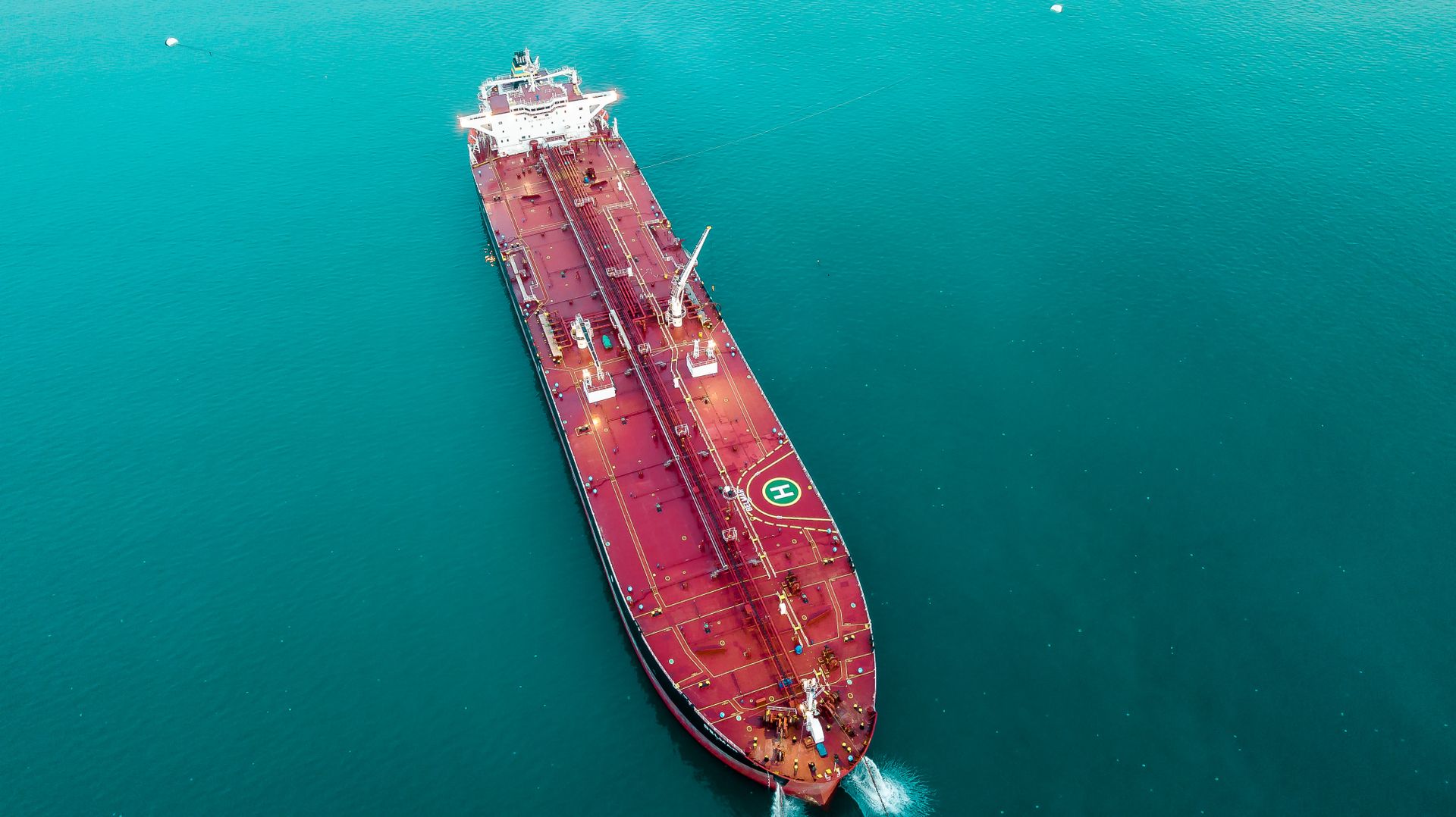
Bowen: Strait of Hormuz standoff raises risk of sliding back into all-out war
BBC correspondent Jeremy Bowen warns that the US and Iran's mutual pressure in the Strait of Hormuz has put the fragile ceasefire at serious jeopardy, risking a return to full-scale conflict.