Syria announces first government reshuffle since al-Assad's ouster
Syria's transitional government has announced its first major cabinet reshuffle since the ouster of Bashar al-Assad. The new appointments cover the economy, interior and foreign affairs portfolios and are seen as reflecting the country's effort to rebuild relations with the West.

Syrian state media said the transitional government has reshuffled six ministerial positions, headlined by the economy, interior and foreign affairs portfolios. It is the most extensive reshuffle of the transitional period that began with the December 2025 ouster of Bashar al-Assad.
The incoming economy minister has been leading technical talks with the IMF and World Bank that began last year. The foreign affairs portfolio went to Mahmoud Hammoud, the senior diplomat managing contacts with the United States and the European Union. The appointments have strengthened expectations that Western countries may begin a gradual easing of sanctions.
The government said the transitional structure will remain in place until first elections planned for October. Restructuring the security apparatus inherited from the Assad era remains a sensitive open question, with minority representatives pressing for a more transparent and consultative process.
More from Middle East
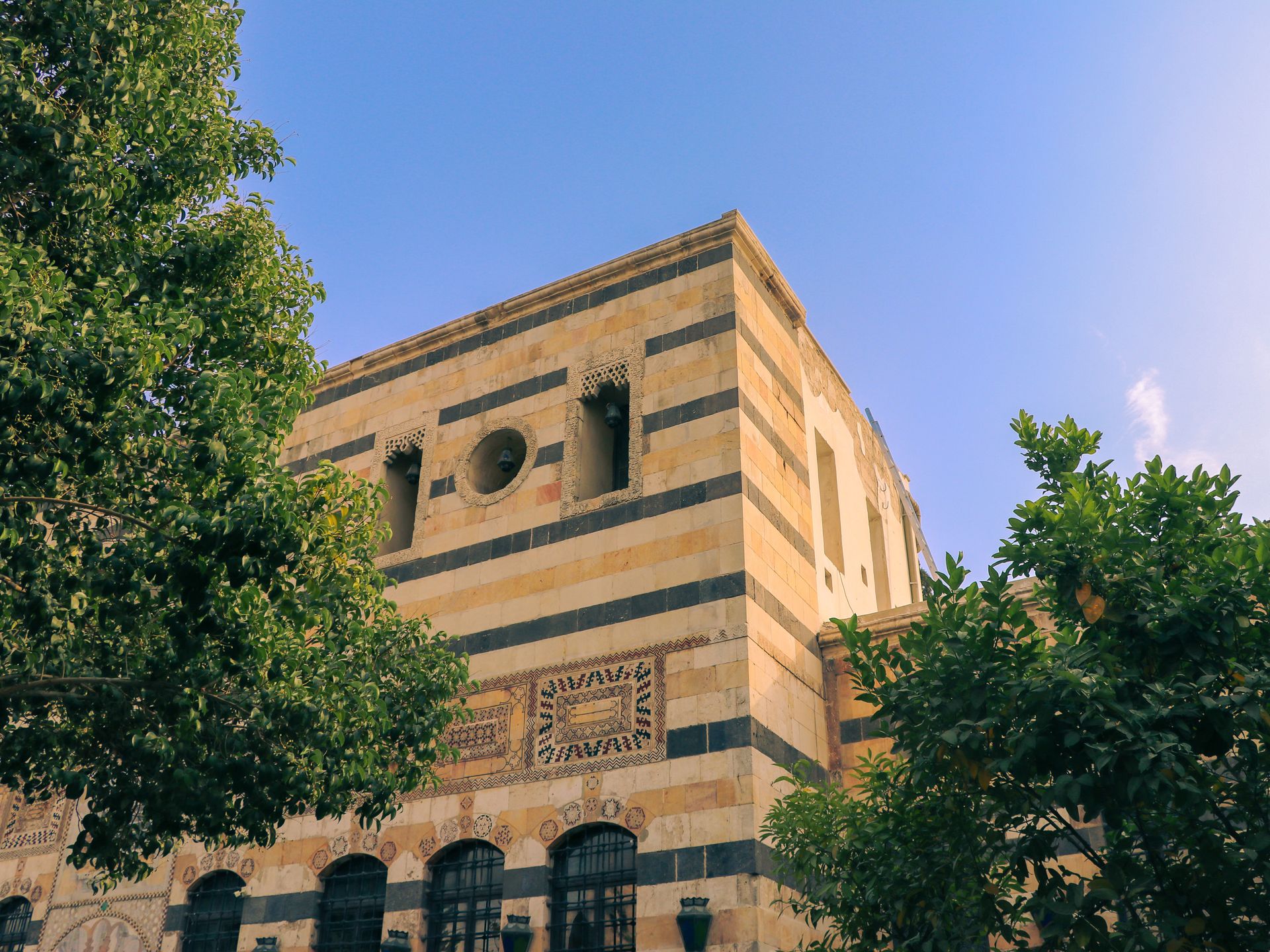
Atef Najib faces at least ten charges in landmark Syria trial
Atef Najib, a cousin of former Syrian President Bashar al-Assad, has gone on trial facing at least ten charges, including murder, torture and ordering massacres. The case is seen as the most symbolic trial of Syria's transition period.
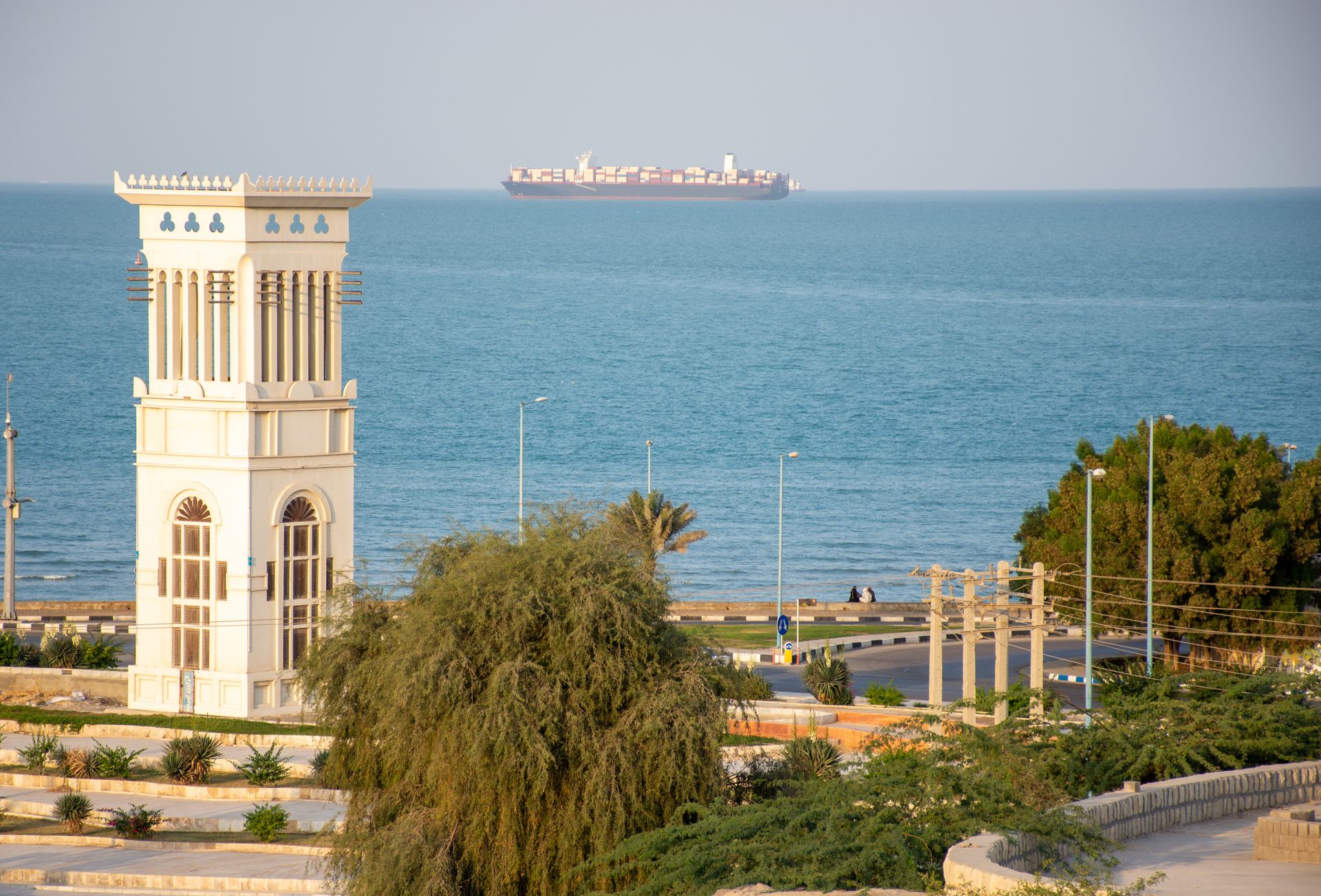
US-Iran ceasefire under strain as Gulf states report drone attacks
A drone struck a cargo ship off Qatar's coast, while Kuwait and the United Arab Emirates said they repelled separate attacks. The incidents add fresh strain to the fragile US-Iran ceasefire.
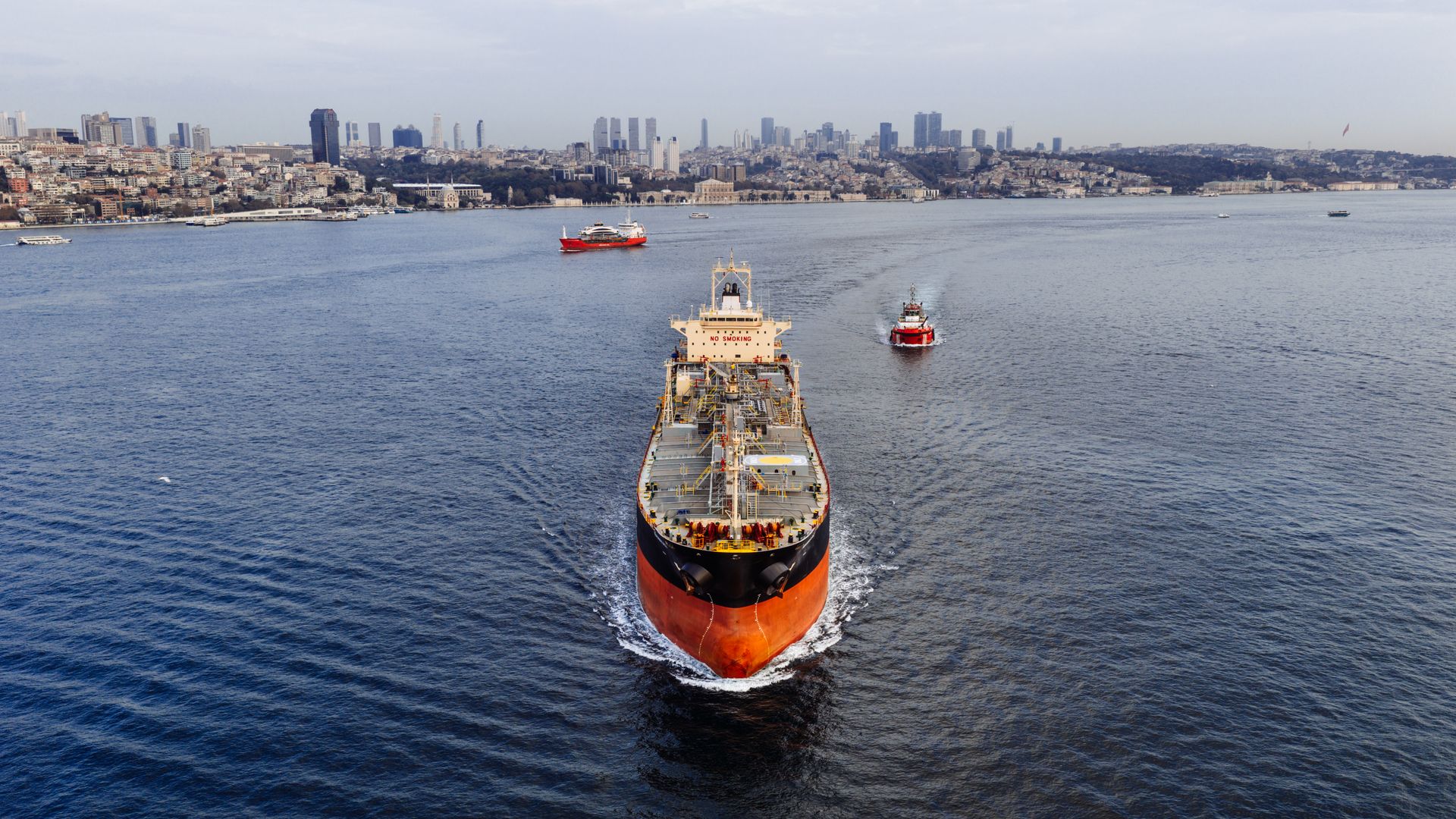
China calls for Strait of Hormuz to reopen 'as soon as possible' in Iran talks
China's foreign ministry has called for the Strait of Hormuz to be reopened 'as soon as possible' during direct talks with Tehran. Beijing warned that disruptions to global energy flows cannot be allowed to drag on for long.