India's job engine strains as Iran war hits remittances and trade
A wave of returning Indian workers from Gulf states has cut remittances by 18 percent in April 2026, with about 1.3 million workers affected. The Kerala and Tamil Nadu state job markets are under added pressure; the Indian government announced a $70 billion emergency economic support package.
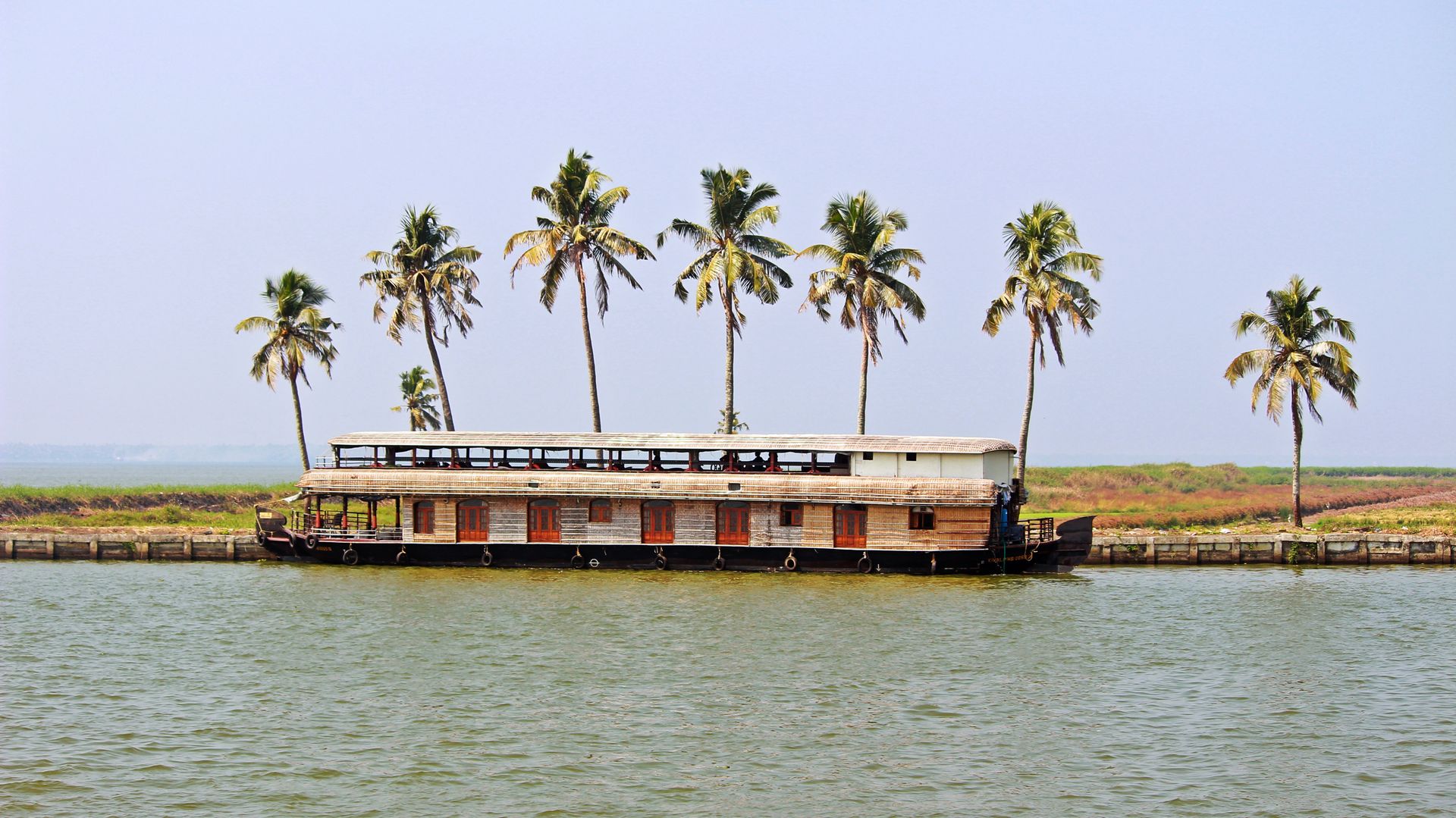
According to India's Ministry of Social Security and Labour, since the Iran-Israel conflict began about 1.3 million registered workers have returned to India from Gulf Cooperation Council countries. The United Arab Emirates, Saudi Arabia, and Qatar account for about 71 percent of this movement. Most of these workers are from Kerala, Tamil Nadu, Telangana, and Uttar Pradesh; they worked in construction, retail, and services.
Kerala State Treasury Minister Balagopal said: 'Kerala's economy, dependent on $18 billion in annual remittance income, is facing double-digit loss risk.' Reserve Bank of India data show total remittances in April fell 18 percent to $9.4 billion. The May estimate stands below $8.2 billion. The Labour Ministry reported that 64 percent of returning workers have failed to find jobs with comparable pay within the past 60 days; the average income loss in temporary work is 38 percent.
Prime Minister Modi's government announced a $70 billion 'Vatan Vapsi' support package on Tuesday: $14 billion for infrastructure projects supporting construction employment in Kerala and Tamil Nadu, $22 billion in additional allocations for the MGNREGA employment guarantee scheme, and $8 billion in small-business loans. Citi India chief economist Samiran Chakraborty wrote in a research note: 'While effective, we expect the package's cumulative GDP impact to be limited to an additional 0.8 percentage points of growth contribution over the next two quarters.' The rupee weakened from 89.4 to 91.2 against the dollar; futures price a 62 percent probability that the RBI raises its June policy rate from 6.5 to 6.75 percent.
More from Asia
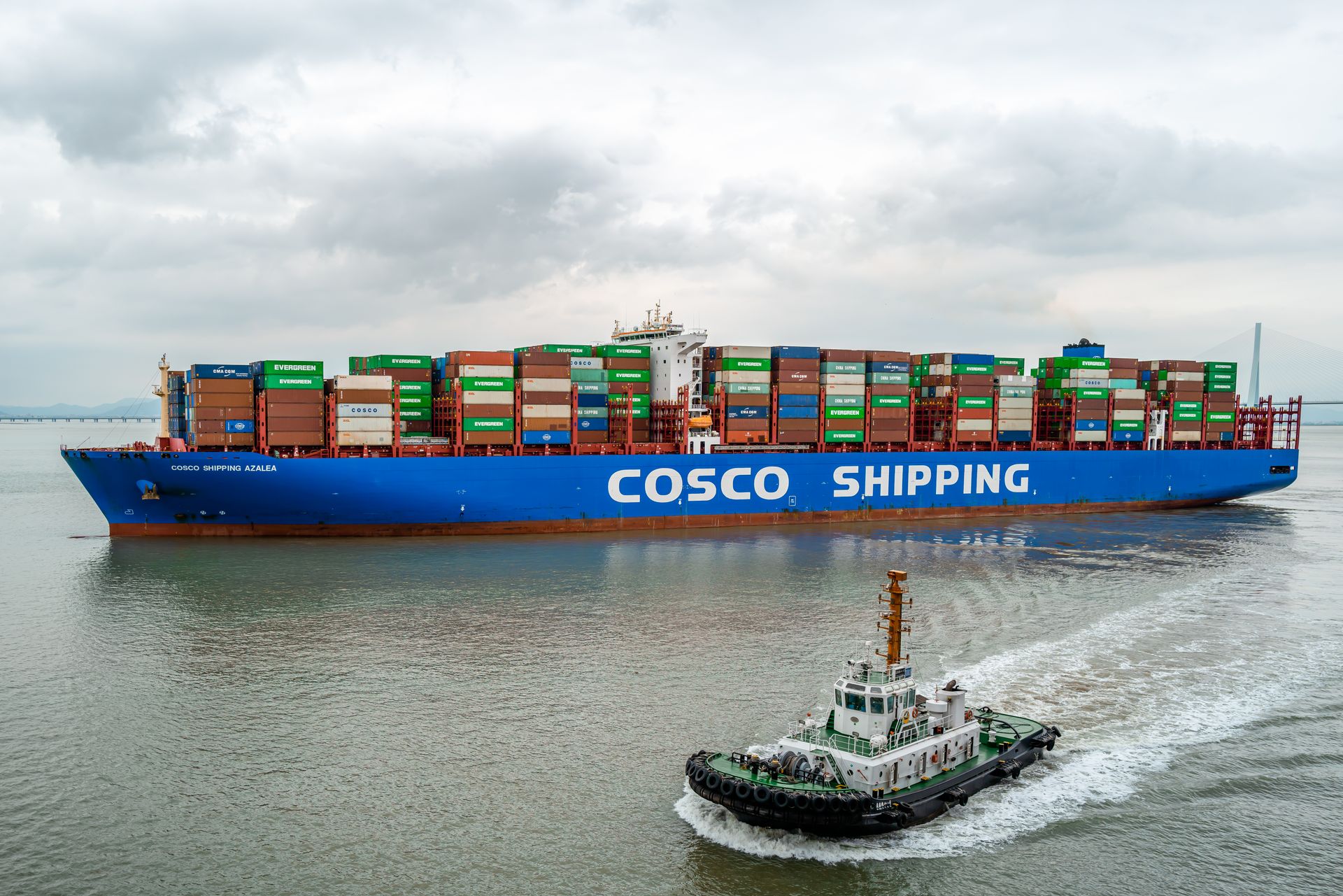
Japan to bolster sea lane defence with Southeast Asia info-sharing plan
Japan will set up a broad maritime information-sharing framework with Southeast Asian countries, led by the Philippines, Vietnam and Indonesia. With the Hormuz crisis and South China Sea tensions in the background, Tokyo is moving to protect critical trade lanes.

China's top diplomat Wang Yi to visit US and Canada to pave way for Xi trip
Chinese Foreign Minister Wang Yi will chair the UN Security Council in New York on May 26 and visit Canada from May 28 to 30. The trip aims to tighten the agenda before President Xi Jinping's planned U.S. visit in September. Beijing has scheduled an extended meeting between Wang and Rubio.
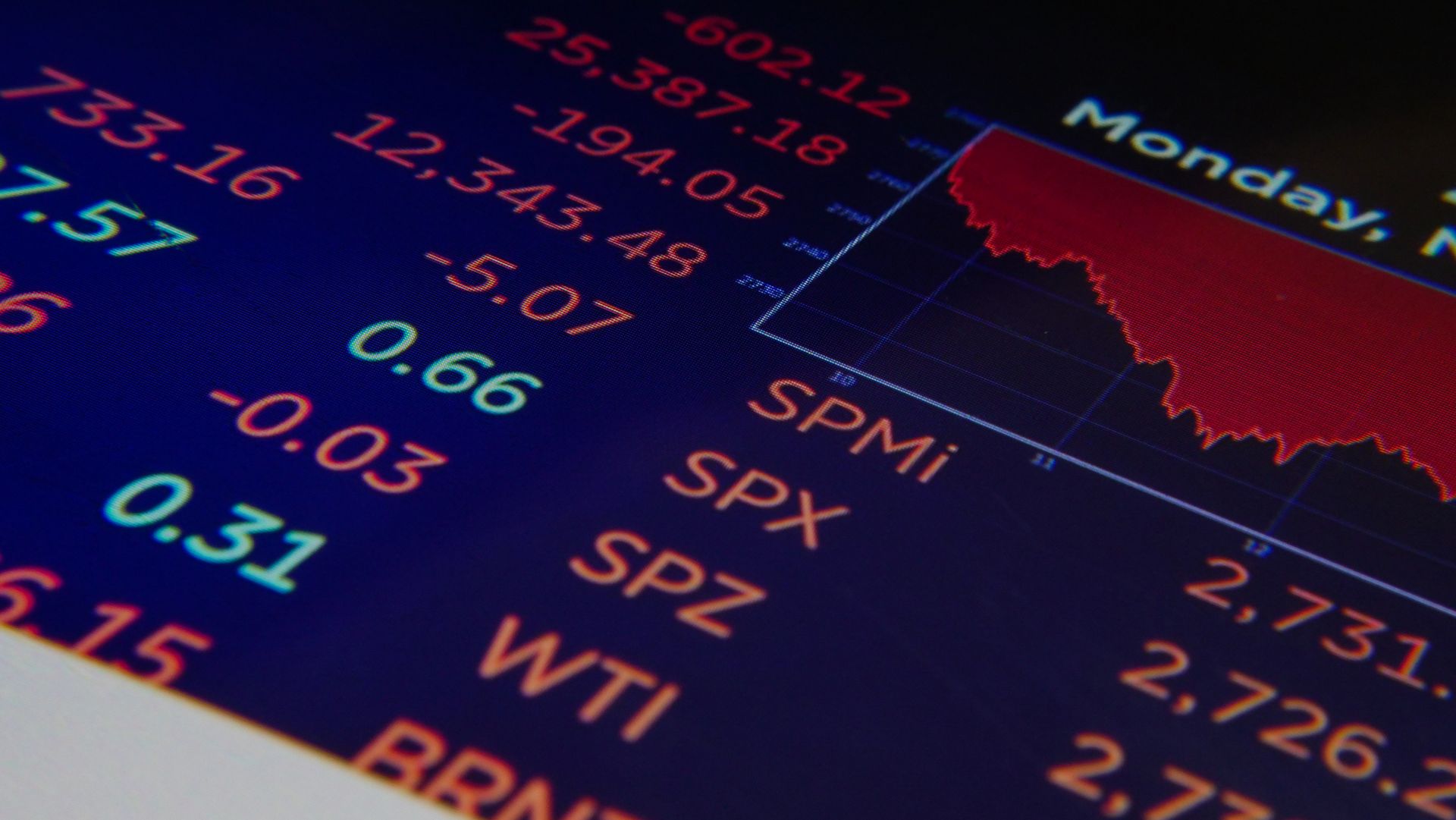
Inflation storm builds in India as rupee sinks deeper
India's wholesale price inflation is expected to face additional upward pressure as oil and metal prices remain elevated amid geopolitical tensions. A weakening rupee is further worsening the inflation outlook, a new report warned.