Food inflation hammers households in war-hit Iran
Al Jazeera reports that food prices are rising sharply on a weekly basis across Iran amid the ongoing conflict with the United States. Supply disruptions and currency depreciation are eroding household purchasing power. The government is weighing temporary subsidies on staples.
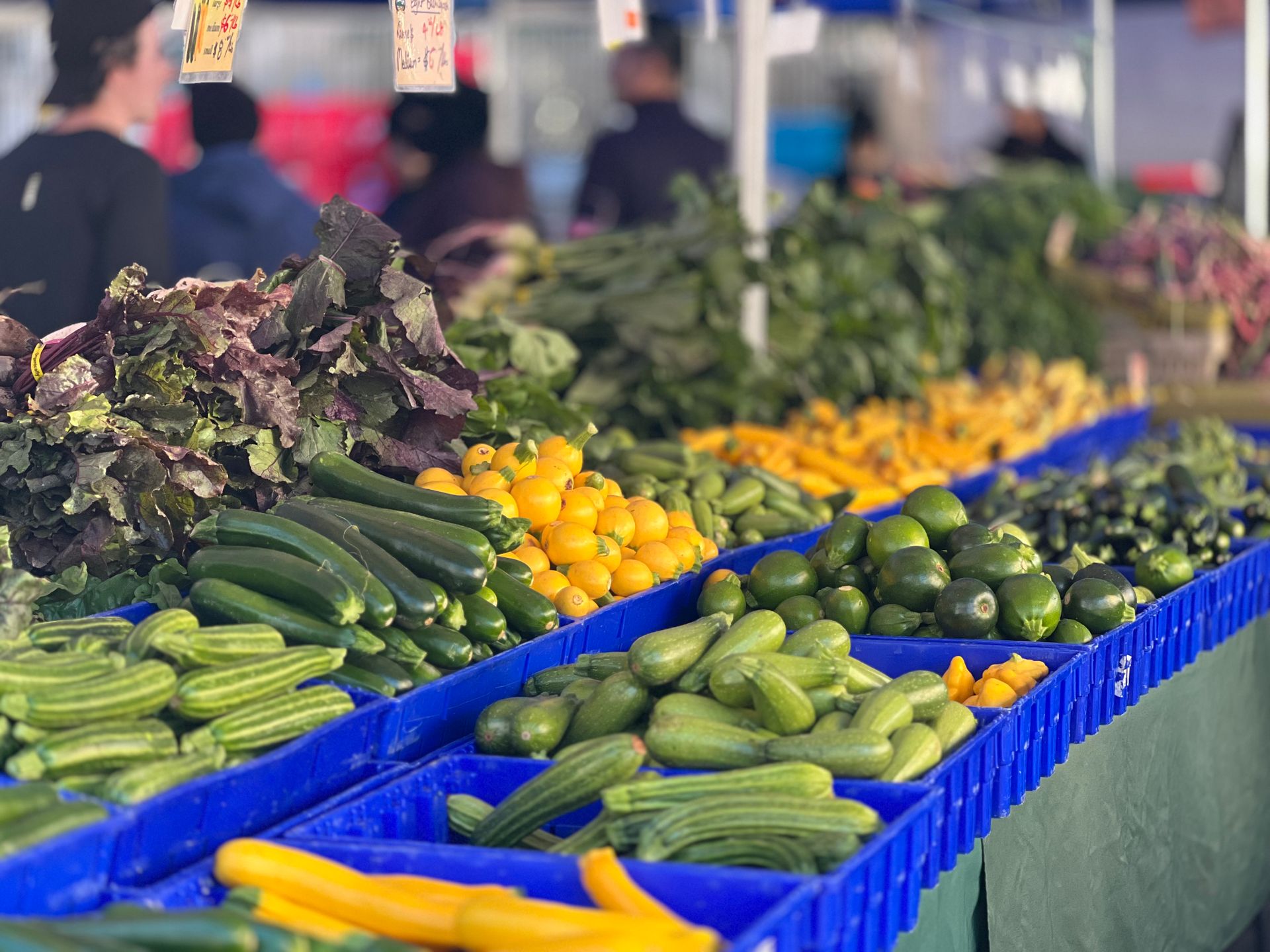
Al Jazeera's field reporting shows that food inflation is rising at a double-digit weekly pace across Iran amid the ongoing conflict with the United States. Disruptions to supply chains, higher import costs and a sliding currency have pushed staple prices to record levels.
In supermarkets, prices for rice, meat, dairy and vegetables have visibly climbed week on week. Consumers in Tehran said they were turning to smaller pack sizes and a narrower mix of goods because of falling purchasing power. Producers from outside the capital reported that fuel, fertiliser and transport costs had effectively doubled their operating bills.
The Iranian government is weighing temporary subsidies on basic foodstuffs and price caps as short-term measures. Economists, however, say a sustainable solution depends on de-escalation of sanctions and war-related uncertainty. The reach of welfare programmes for lower-income households is set to be reviewed in the coming weeks.
More from Middle East

Iran weighs US proposal as Trump says war will be 'over quickly'
Iran is weighing the US peace proposal that was relayed via Pakistan, the BBC reports, as President Trump said the war could be 'over quickly'. The diplomatic traffic marks a new test point for global markets. Both sides remain cautious about a final agreement.

Atef Najib faces at least ten charges in landmark Syria trial
Atef Najib, a cousin of former Syrian President Bashar al-Assad, has gone on trial facing at least ten charges, including murder, torture and ordering massacres. The case is seen as the most symbolic trial of Syria's transition period.
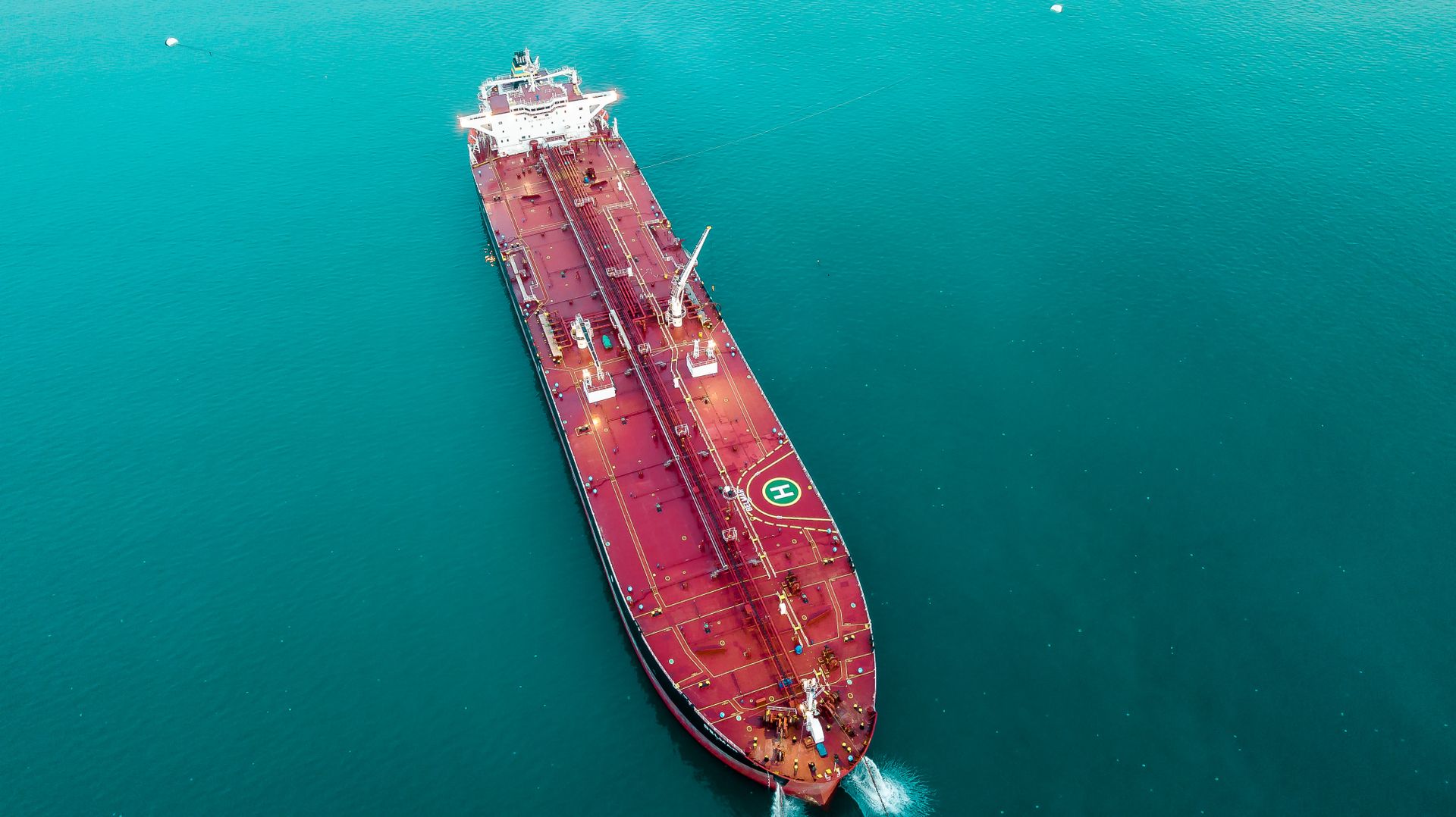
Bowen: Strait of Hormuz standoff raises risk of sliding back into all-out war
BBC correspondent Jeremy Bowen warns that the US and Iran's mutual pressure in the Strait of Hormuz has put the fragile ceasefire at serious jeopardy, risking a return to full-scale conflict.