Tehran sells US deal as victory, but for ordinary Iranians it was a necessity
BBC Middle East's analysis says Iran's leadership is selling the US deal at home as a victory, while for ordinary Iranians, ground down by years of economic pressure, the agreement was accepted as a necessity. Sanctions, currency collapse, and energy outages shaped the decision.

BBC Middle East's field analysis says Tehran is selling the deal with Washington domestically as a "victory." Officials are making statements suggesting the agreement "turned back pressure" and "safeguarded our rights."
BBC correspondents' interviews with residents of Tehran and other cities paint a different picture. Years of sanctions, the rial's depreciation, food inflation, and rolling power outages have shaped daily life. A significant share of those interviewed described the deal as a necessity.
Regionally, the agreement means reopening energy flows through the Strait of Hormuz and a redrawing of the investment framework for international capital. Investors will closely track the timeline for sanctions removal and the pace at which Iran's economy reopens. Not investment advice.
Read next
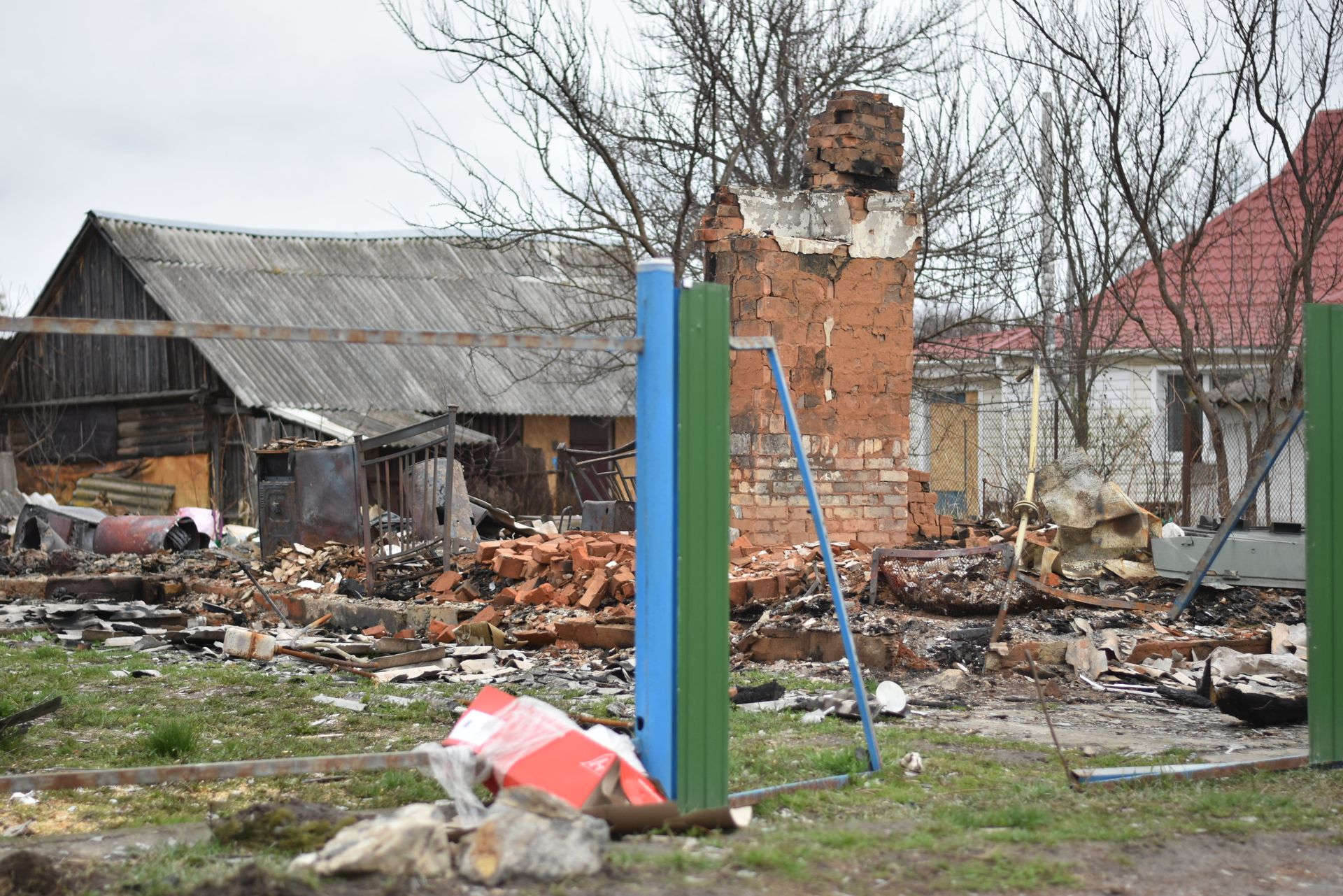
Israeli strikes in south Lebanon a 'violation of international law': PM
Lebanese Prime Minister Nawaf Salam rejected Israel's claim that villages destroyed in southern Lebanon were military sites, describing the strikes as a clear violation of international law. The statement comes amid continuing tension in the region.

Chinese state-linked observatory sought NZ site, spy agency says
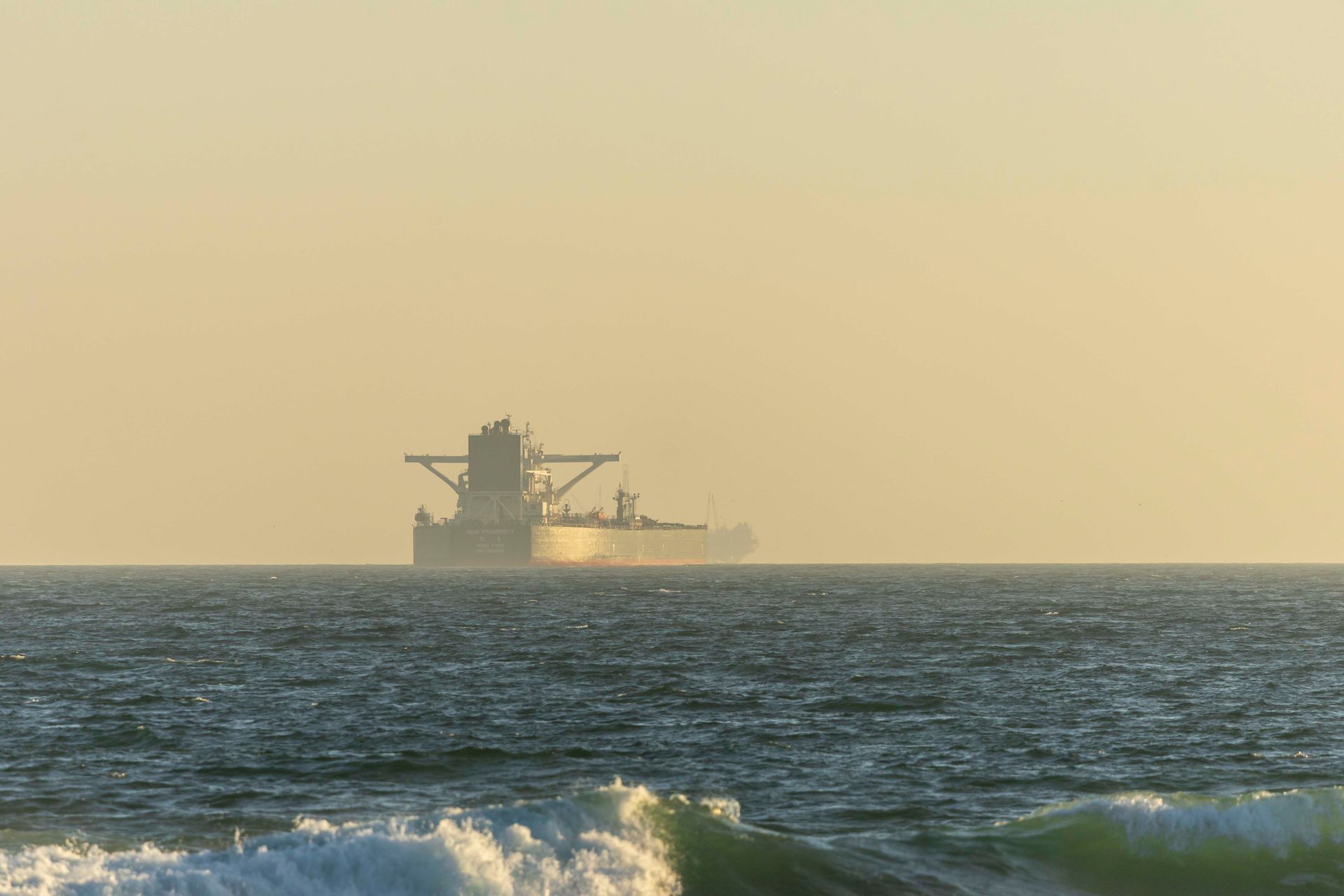
Trump turns to economic pain as US bombings fail to sway Iran

Japan protests against Putin's visit to disputed islands