Japan yen interventions face uphill battle against structural weakness
Japan's monetary authorities face limited success in supporting the yen against structural economic weaknesses despite intervention efforts. High energy prices caused by the Iran war have further strengthened Japan's position as a net importer, weakening the yen. The central bank has been forced to reassess its monetary policy.

The Bank of Japan has begun interventions to prevent the yen from weakening, but structural economic factors limit the effectiveness of these measures. The increase in energy prices from the Iran war has further weakened Japan's position as an energy importer, causing the yen to lose value against foreign currencies. Rising energy import costs are negatively affecting the current account balance.
Japan's structural economic problems include an aging population and low growth rates. These factors will continue to keep the yen weak in the long term. While the central bank's interventions may provide temporary relief in the short term, they do not address structural issues. Japan may need to focus more on energy conservation and renewable energy investments.
International markets have observed interventions by Japanese authorities, but the impact of these measures on the yen remains short-lived. Economists predict that without structural reforms and productivity improvements, the yen will remain weak in the long term.
More from Asia

SK Hynix Flooded With Unprecedented Big Tech Orders for Memory Chips
South Korea's SK Hynix says it has received "unprecedented" orders from big tech firms eager to lock in supplies of high-bandwidth memory chips for AI servers. The chipmaker says its 2026 production capacity is largely sold out. Its shares are trading near record highs in Seoul.
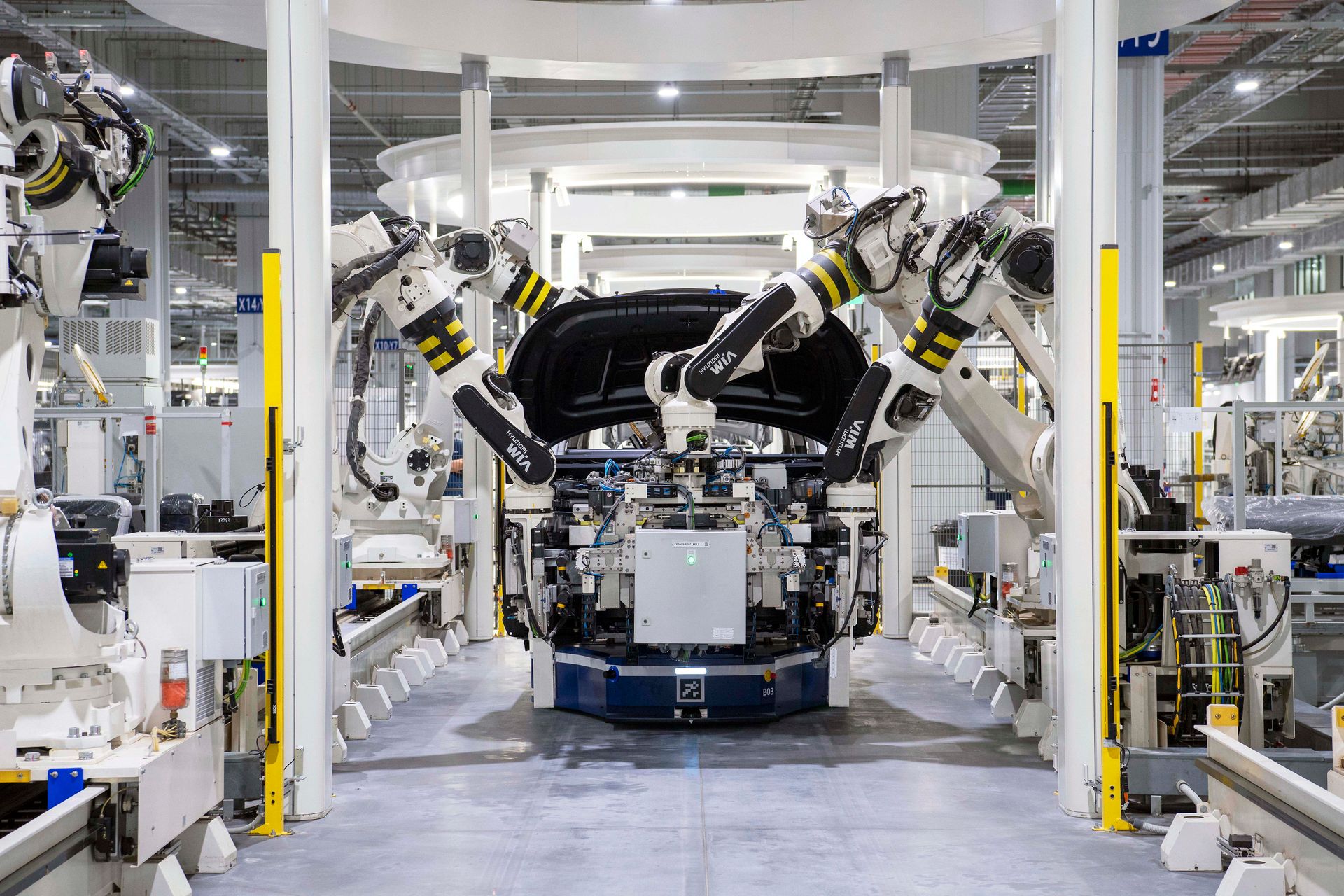
Toyota Expects $5.5 Billion Hit From Iran War Fallout
Toyota said it expects an additional $5.5 billion in costs in fiscal 2026 because of fallout from the Iran war on global logistics and energy prices. The carmaker cut its profit guidance and signalled possible price changes for some US models. Its shares opened lower in Tokyo.

Explosion at China fireworks factory kills 26 people
An explosion at a fireworks factory in Hunan province, China, killed 26 people and injured 61, according to state media reports.