China's rejection of Australian mung beans prompts chemical rethink
China rejected 10 containers of Australian mung beans after testing found the shipment exceeded permitted chemical residue levels, prompting growers to reassess pesticide practices. The rejection adds fresh strain to an already sensitive agricultural trade relationship.
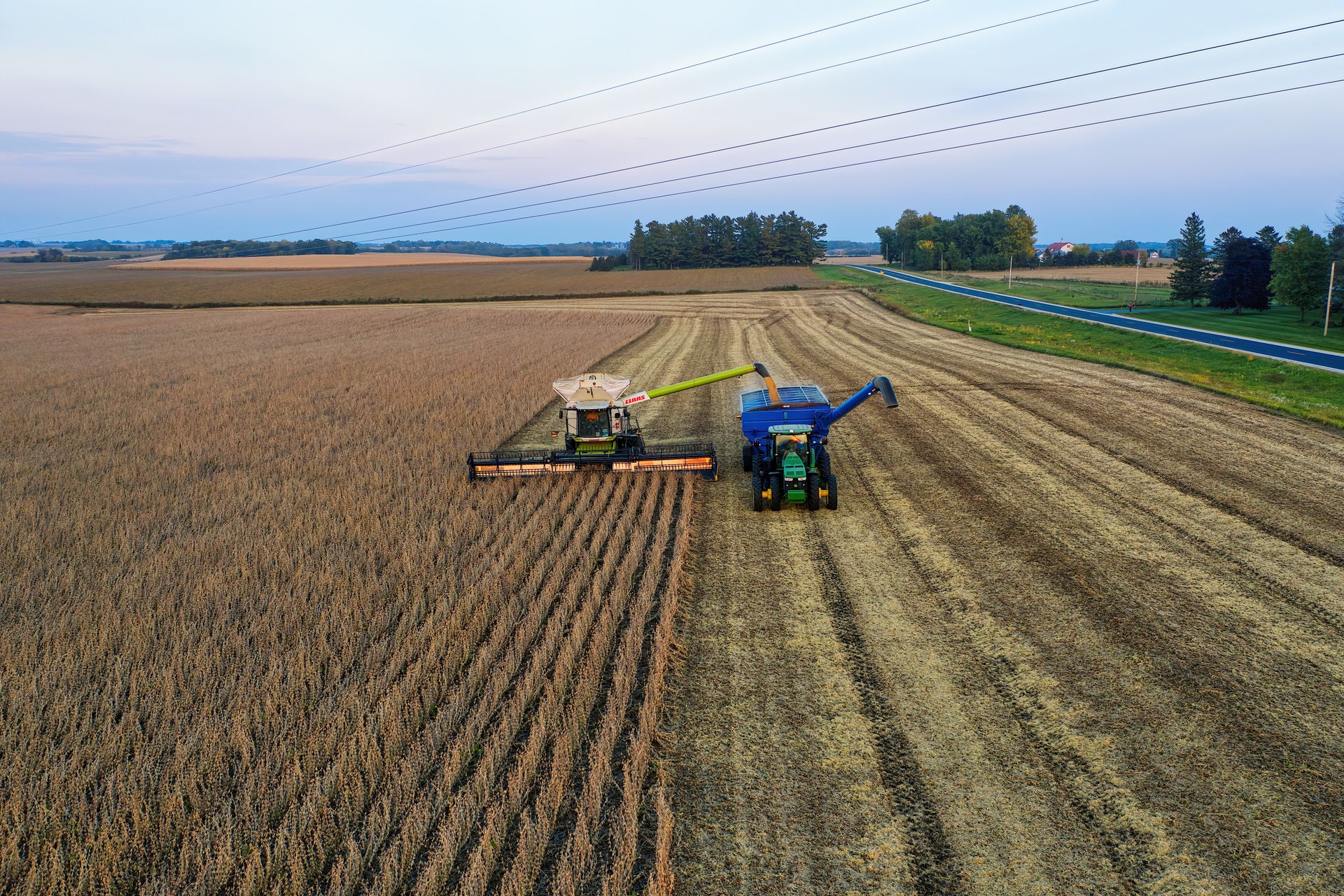
China rejected 10 containers of Australian mung beans after testing found the shipment exceeded permitted chemical residue levels, a decision now pushing growers to reassess their pesticide practices ahead of future shipments. Industry representatives said the rejected consignment was flagged for a specific agricultural chemical found above allowable thresholds.
Growers are now considering changes to pre-harvest spraying practices to ensure future shipments meet China's quality standards and avoid similar rejections. The episode has drawn attention within the sector to the gap between domestic Australian residue limits and the stricter thresholds enforced by Chinese import authorities.
The rejection adds a fresh layer of strain to an already sensitive agricultural trade relationship between the two countries, with China having previously imposed import restrictions on various Australian farm products. Australian officials say they are working with exporters to improve compliance and safeguard market access going forward, as mung beans remain a comparatively small but symbolically important export line.
Read next
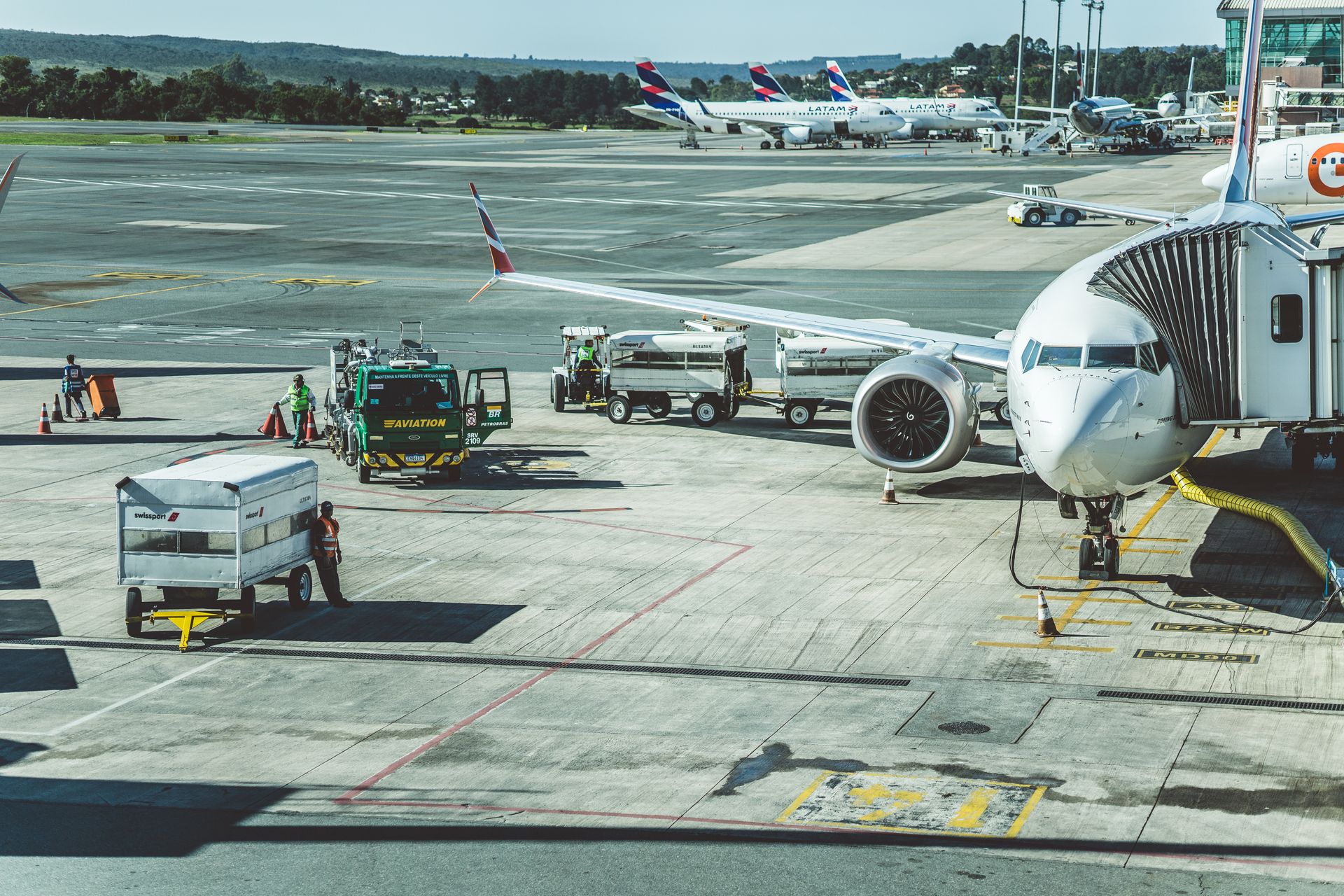
China's C919 jet makes first international flight in challenge to Boeing, Airbus
China's domestically built C919 passenger jet completed its first international flight, marking an early step in the aircraft's bid to challenge Boeing and Airbus in the global narrow-body market. The milestone is seen as central to Beijing's push for aviation self-sufficiency.
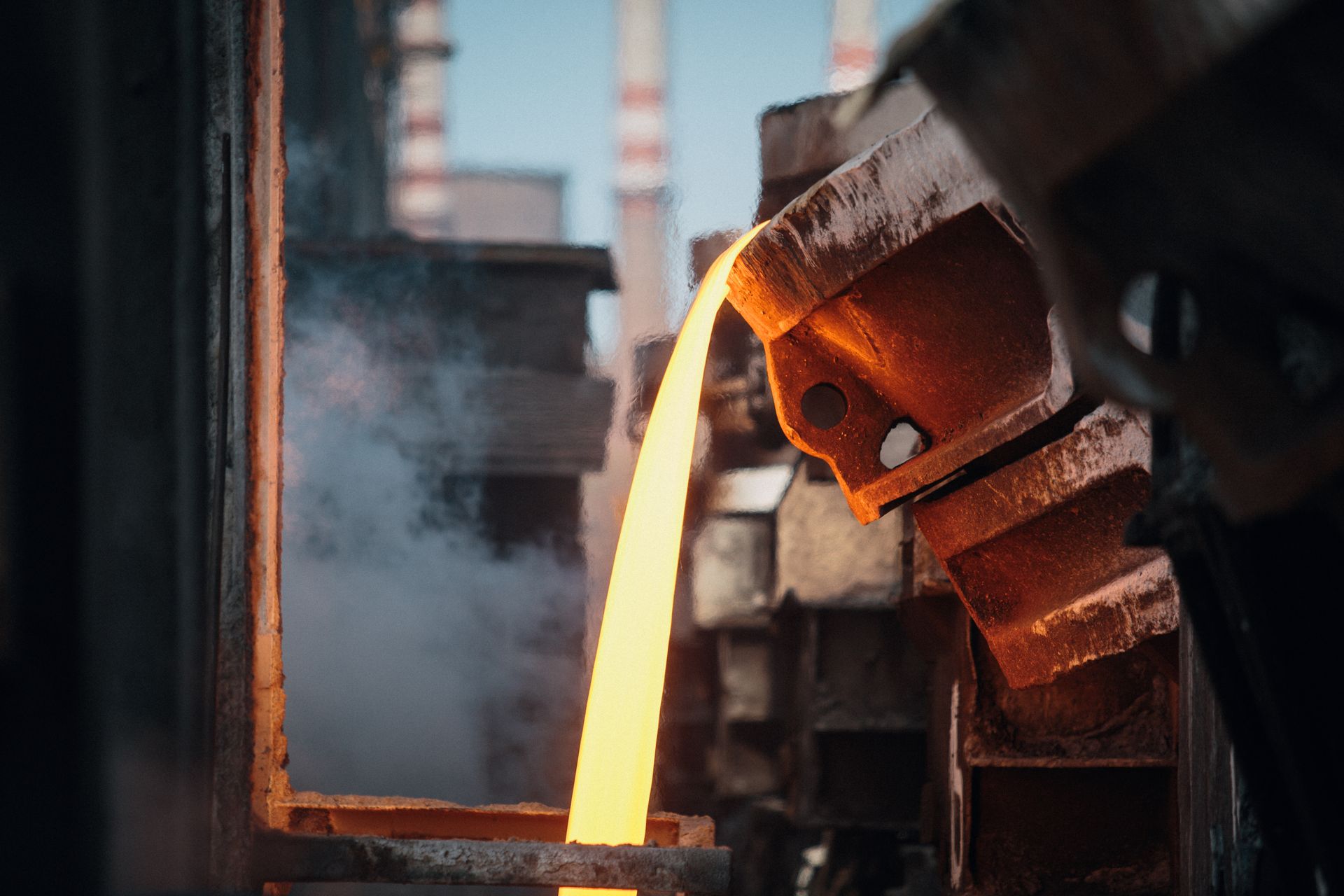
Aluminium smelter bailout to cost taxpayers $2.5 billion over 10 years
Zhu Rongji, who helped turn China into a trading giant, dies at 97

Putin warns of retaliation for Western seizures of Russian commercial ships