Selling children to survive: Afghan fathers forced into impossible choices
Three in four Afghans cannot meet their basic needs, and the BBC reports that deepening poverty is pushing some fathers to sell their children to settle debts and feed their families. The story documents how Afghanistan's humanitarian crisis is shaping individual choices, particularly for families in remote rural districts. Aid groups warn that conditions are worsening as winter approaches.
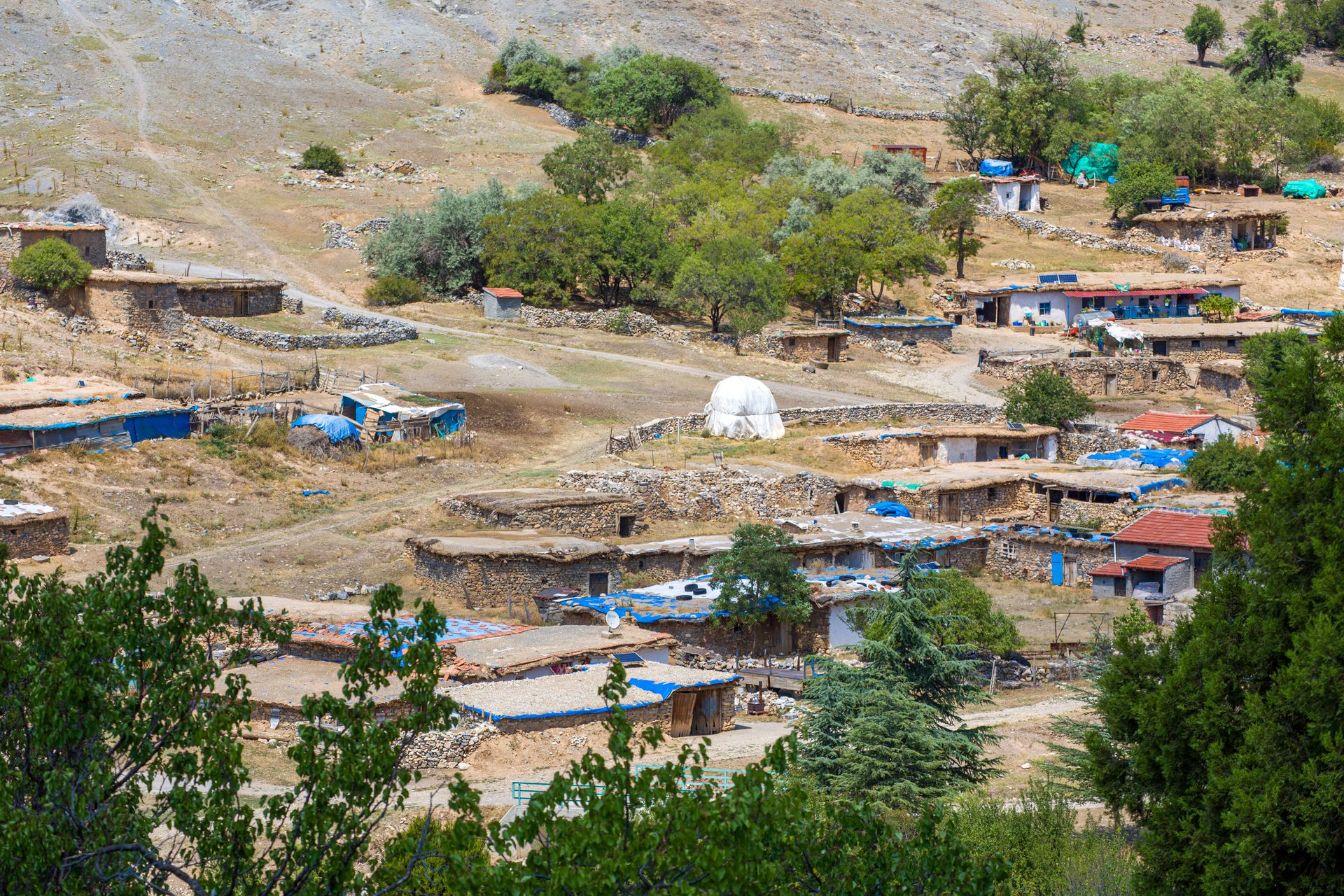
The BBC has documented how deepening poverty in Afghanistan is pushing families into desperate choices. Some fathers told the broadcaster that, faced with debt and hunger, they had handed over children to other households in exchange for cash. Child selling has existed for years, but cases are reported to have become more visible as international aid has shrunk.
Citing UN figures, the BBC notes that three in four Afghans now cannot meet their basic needs. Agricultural output has fallen sharply in rural areas hit by drought, while restrictions on women working have wiped out household income for many families. Access to healthcare and to schooling, particularly for girls, has been heavily curtailed.
Aid agencies say international funding for Afghanistan under Taliban rule has dropped significantly. With winter approaching, food insecurity could worsen further. The BBC's reporting brings the individual suffering hidden by macroeconomic numbers to the foreground and reads as a renewed call to international action.
More from Asia

India may tighten capital controls to halt rupee slump, Citi says
A Citigroup report forecasts that the Reserve Bank of India is preparing to tighten capital outflow controls after the rupee weakened 7.2 percent against the dollar in the past six months. Likely measures include lowering individual foreign exchange transfer limits and exporter income repatriation rules.
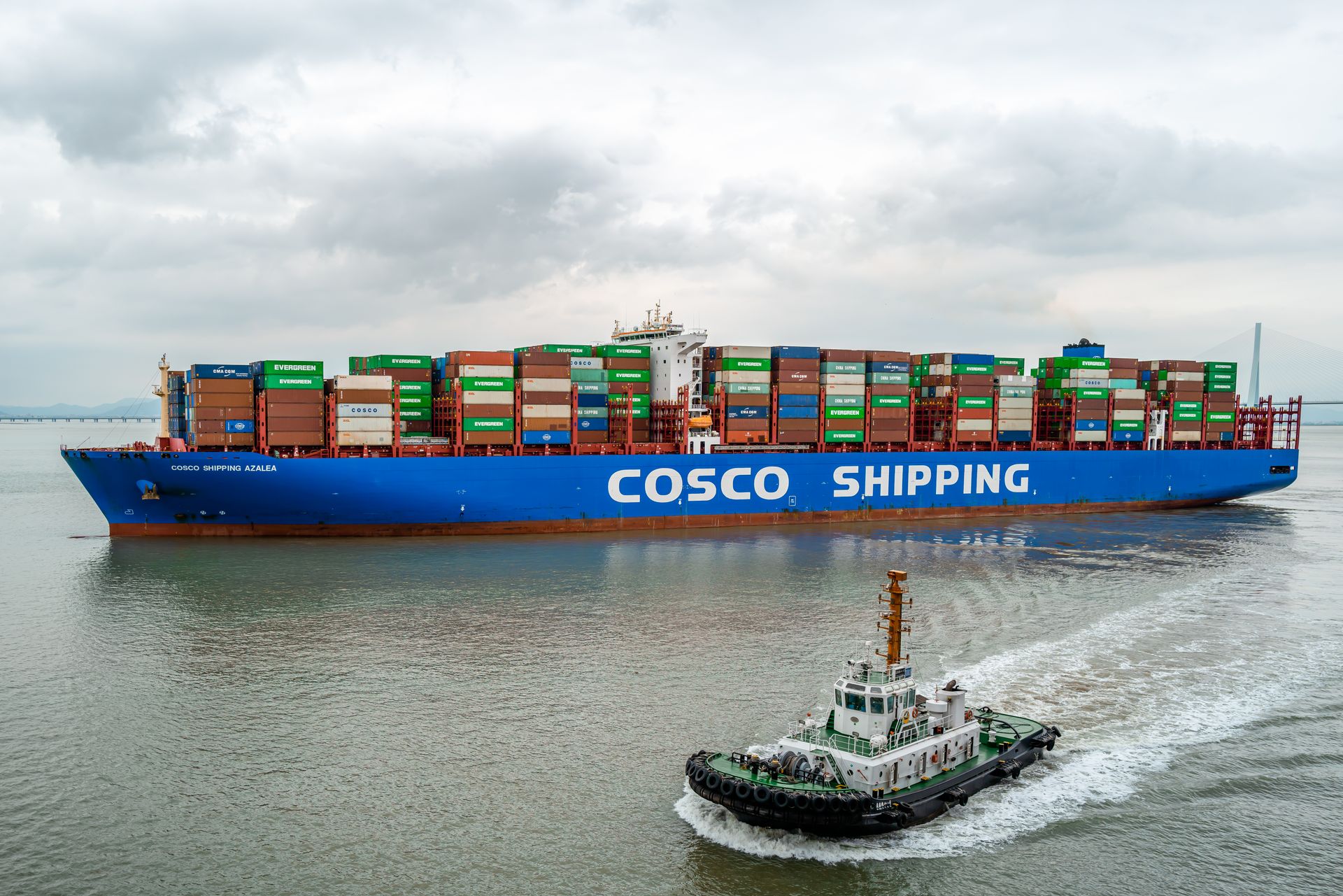
Japan to bolster sea lane defence with Southeast Asia info-sharing plan
Japan will set up a broad maritime information-sharing framework with Southeast Asian countries, led by the Philippines, Vietnam and Indonesia. With the Hormuz crisis and South China Sea tensions in the background, Tokyo is moving to protect critical trade lanes.

Meta cuts 8,000 jobs, including more than 100 in Singapore, in AI-driven efficiency push
Meta Platforms has begun cutting roughly 8,000 jobs globally. According to former employees, more than 100 positions in Singapore are affected. CEO Mark Zuckerberg cited efficiency gains and artificial intelligence-driven automation as the primary rationale.