Nvidia can supply the chips, but Big Tech faces a credit and power-grid squeeze
Nvidia's strong chip supply cannot, on its own, clear the obstacles facing Big Tech's AI build-out, a MarketWatch analysis argues. Rising credit premiums, power-grid capacity limits and trade tension with China are creating structural constraints that corporate profits alone cannot fix.

A MarketWatch analysis argues that while Nvidia can design and deliver the chips, money alone cannot fix the problems Big Tech faces as it builds out artificial-intelligence infrastructure. The real bottleneck, the column contends, is not the silicon but the financing and the electricity needed to run the data centres that house it.
The analysis identifies three structural constraints: a chaotic trade war with China, climbing credit premiums that raise the cost of borrowing to fund data-centre projects, and a power grid struggling to carry the new load. Record corporate profits, it says, are not enough on their own to clear these hurdles.
MarketWatch urges investors to shift their focus from a single blockbuster earnings report to the physical and financial limits of the build-out. This article is market commentary and not investment advice.
More from North America
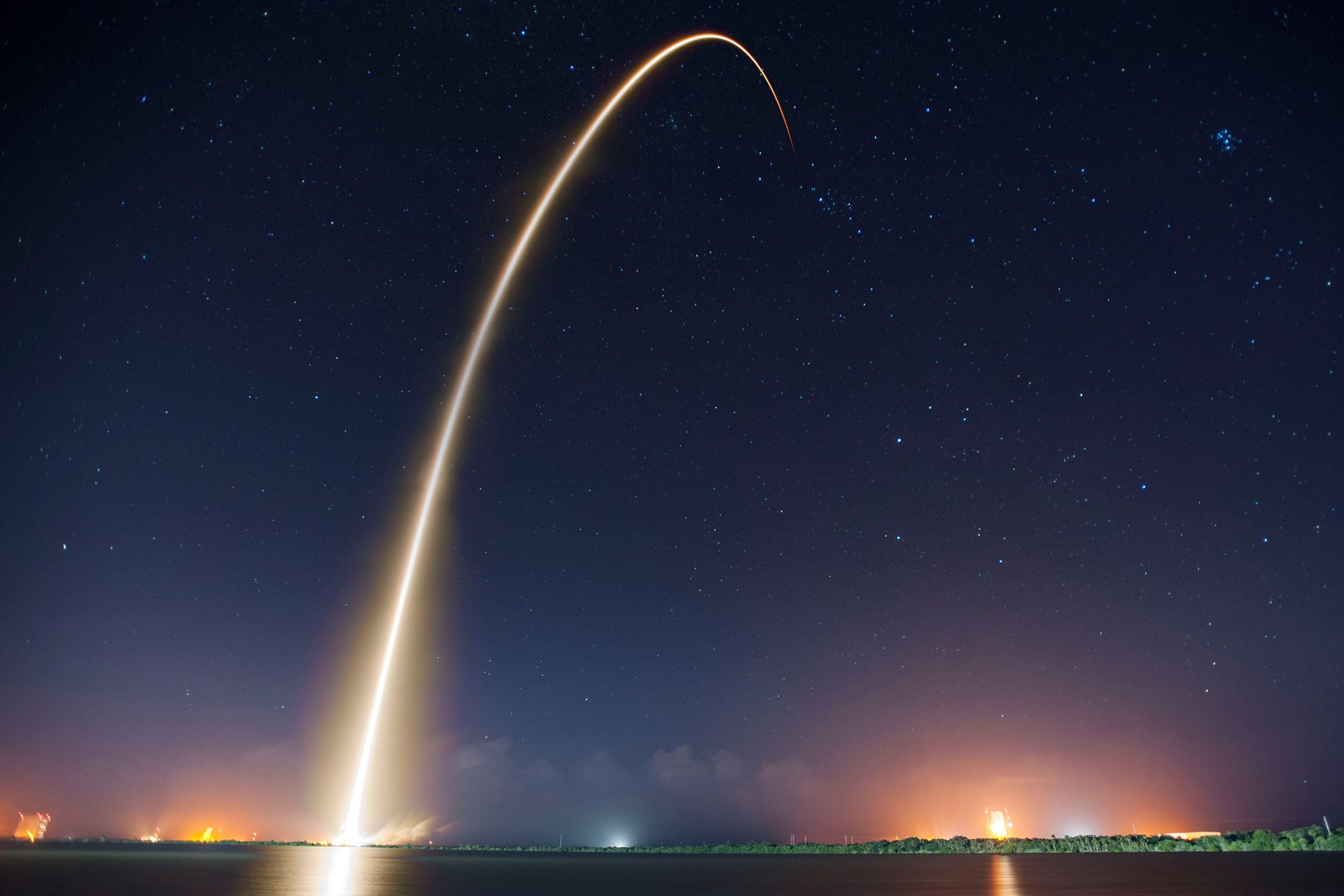
SpaceX launches giant Starship V3 rocket on test flight
SpaceX launched Starship V3, described as the largest and most powerful rocket in history, on a test flight. An earlier launch attempt had been postponed, and the liftoff is seen as a key step toward the company's long-range goals.

UAE says OPEC exit was a strategic economic move, not political
The United Arab Emirates said its decision to leave OPEC was a strategic economic choice rather than a political one. Officials told CNBC the move lets the country deploy spare production capacity freely and align output with its energy diversification plans.

Trump says he wants new Fed chair to be 'totally independent'
US President Donald Trump said the new Federal Reserve chair, Kevin Warsh, should be 'totally independent'. Trump had earlier pressed Warsh's predecessor publicly to cut interest rates, and the remark revived a long-running debate over the central bank's autonomy.