Hormuz crisis is redrawing Latin America's energy map
As Iran tightens its grip on the Strait of Hormuz, the shockwave from Asia's energy panic is reshaping Latin America's strategic calculus overnight. From Guyana's oil output to Chile's lithium mines, the region is reassessing its role in global supply chains.
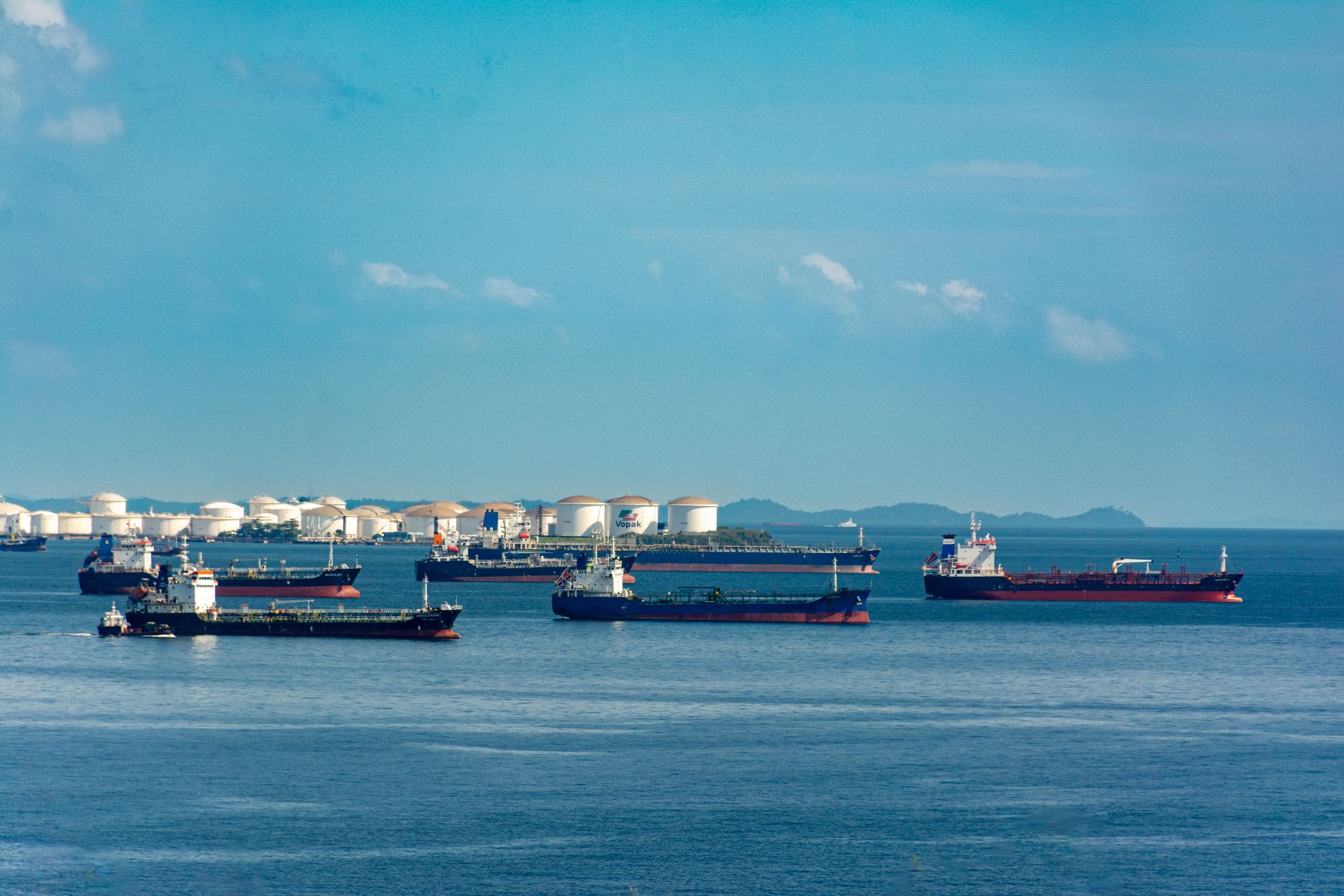
Iran's tightening grip on shipping through the Strait of Hormuz, amid the wider Gulf conflict, has rattled Asian energy importers worried about supply security. But analysts say the more lasting effect of the shock may be felt in Latin America.
Guyana's rapidly growing oil output and Brazil's deepwater reserves have suddenly become more attractive to Asian refiners seeking alternatives that don't depend on Hormuz. Lithium deposits in Chile and Argentina are drawing similar attention from investors looking to diversify supply chains away from chokepoints tied to the conflict.
Regional governments are greeting the opportunity with cautious optimism, acknowledging that higher demand could push prices up even as volatility in global markets brings its own risks.
Read next

US strike cuts water supply in Iran, Iran damages water supply in Kuwait
Explosions were also reported on Qeshm Island, while in Hormozgan province air strikes hit two bridges and a tunnel. The reciprocal attacks are directly affecting civilian infrastructure in both Iran and Kuwait, deepening the war's humanitarian toll.
Iraq signs 48 deals with US companies during PM's visit to Washington

Ukrainian forces strike 'major' logistics hubs in central Russia

US military says it has completed latest round of strikes against Iran
