Ukraine's biggest defense gap: over 92% of Russian ballistic missiles hit their targets
The Kremlin's recent offensive on Kyiv, which killed about 20 people, has exposed one of Ukraine's most pressing military vulnerabilities: air defenses that fail to intercept the vast majority of incoming Russian ballistic missiles. Analysts say the gap reflects a shortage of advanced interceptor systems.

The Kremlin's recent offensive on Kyiv, which killed about 20 people, has laid bare one of Ukraine's most pressing military vulnerabilities. Analysis of the attack found that more than 92% of the Russian ballistic missiles launched at the capital hit their targets.
Experts say the gap stems from Ukraine having only a limited number of advanced interceptor systems capable of countering ballistic missiles, which travel far faster than cruise missiles or drones and are correspondingly harder to shoot down.
Ukrainian officials continue to press Western allies for additional Patriot batteries and comparable air-defense systems. Analysts warn that without closing the gap, civilian areas will remain exposed to future strikes.
Read next

Bowen: For all his bluster, Trump has no better option than talks with Iran
BBC International Editor Jeremy Bowen writes that the negotiating process between the US and Iran is fragile, and that recent US strikes show how difficult reaching an agreement will be. Bowen argues that despite the rhetoric, diplomacy remains the most realistic path forward.

Israel to hold national elections on October 27, parliament says
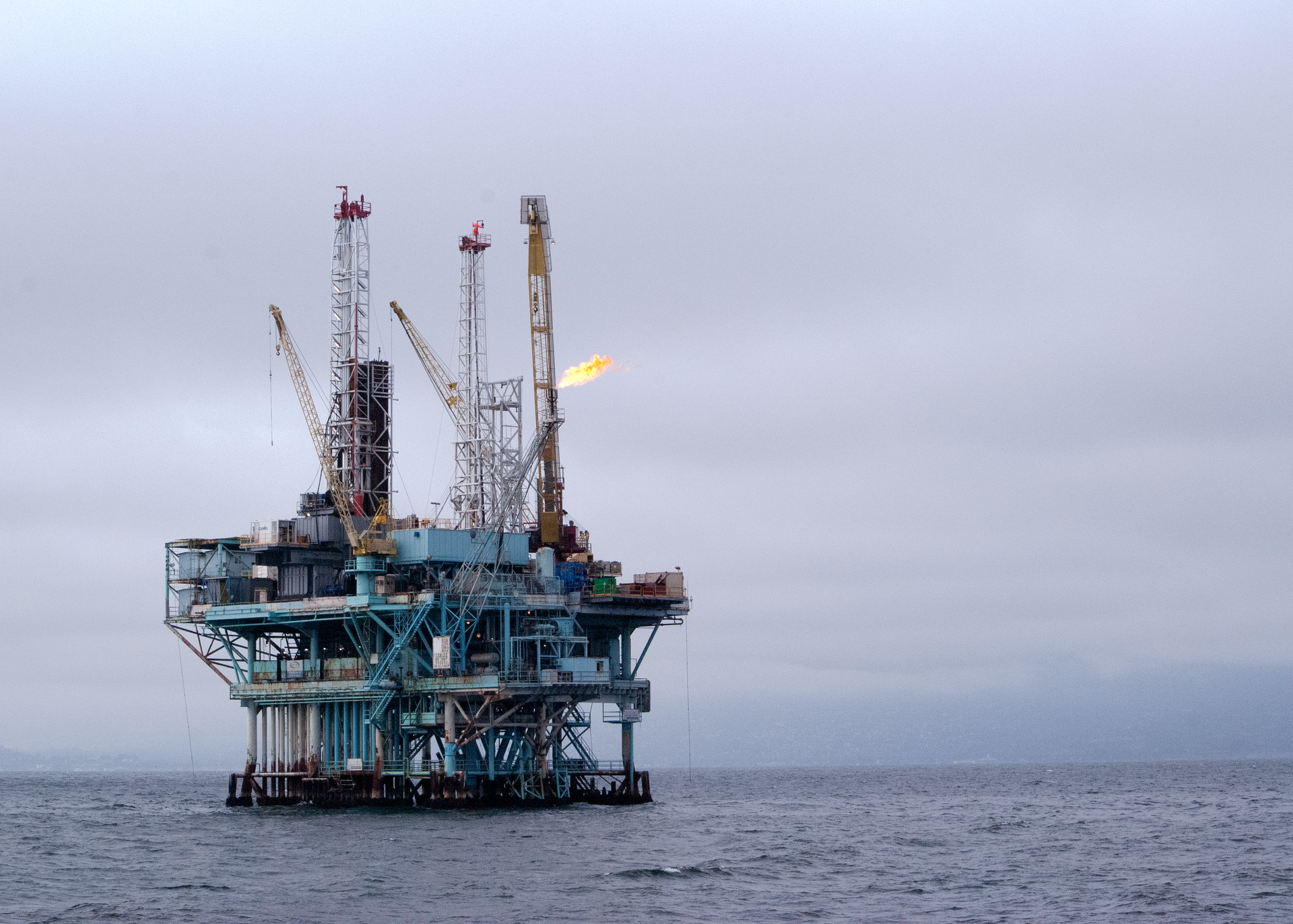
Kuwaiti offshore oil platform hit as Iran and US trade further strikes

Oil jumps more than 3% as US and Iran trade strikes, dispute Hormuz status