French Economy Resilient but Iran Crisis Weighs, Central Bank Says
France's central bank said the economy remains resilient but the Iran crisis is weighing on growth via investment and energy costs, in its monthly report covered by Investing.com. The bank trimmed its second-quarter growth estimate slightly. Industrial indicators are sending mixed signals.

France's central bank said the country's economy remains resilient despite rising energy costs linked to the Iran crisis, according to its monthly report covered by Investing.com. The institution noted, however, that delayed investment decisions are constraining second-quarter growth.
The report described the services sector as relatively strong, supported by tourism and corporate services. Industrial output, by contrast, is sending mixed signals as volatility in oil prices and lingering supply-chain uncertainty have weighed on chemicals and metals.
The bank trimmed its second-quarter GDP forecast slightly and stressed the importance of euro-area monetary policy decisions in the period ahead. The French government has signalled that it is preparing a fresh investment-support package and will continue to monitor financial conditions closely in the coming weeks.
More from Europe

Italy Industrial Output Posts Solid Gain in March; Iran War Impact Awaited
Italian industrial output rose more than expected in March, providing a benchmark before the Iran war's full impact reaches Europe's manufacturing base, Investing.com reports. Analysts expect a far more mixed reading in April. Auto, machinery and chemicals were among the contributors.

CBRT April Inflation Assessment: Annual inflation rises to 32.37 percent
The Turkish Central Bank released its April inflation assessment, showing consumer prices rose 4.18 percent month-on-month, while annual inflation climbed to 32.37 percent—up 1.50 percentage points. Energy prices surged 14.4 percent, with the underlying trend moving higher.
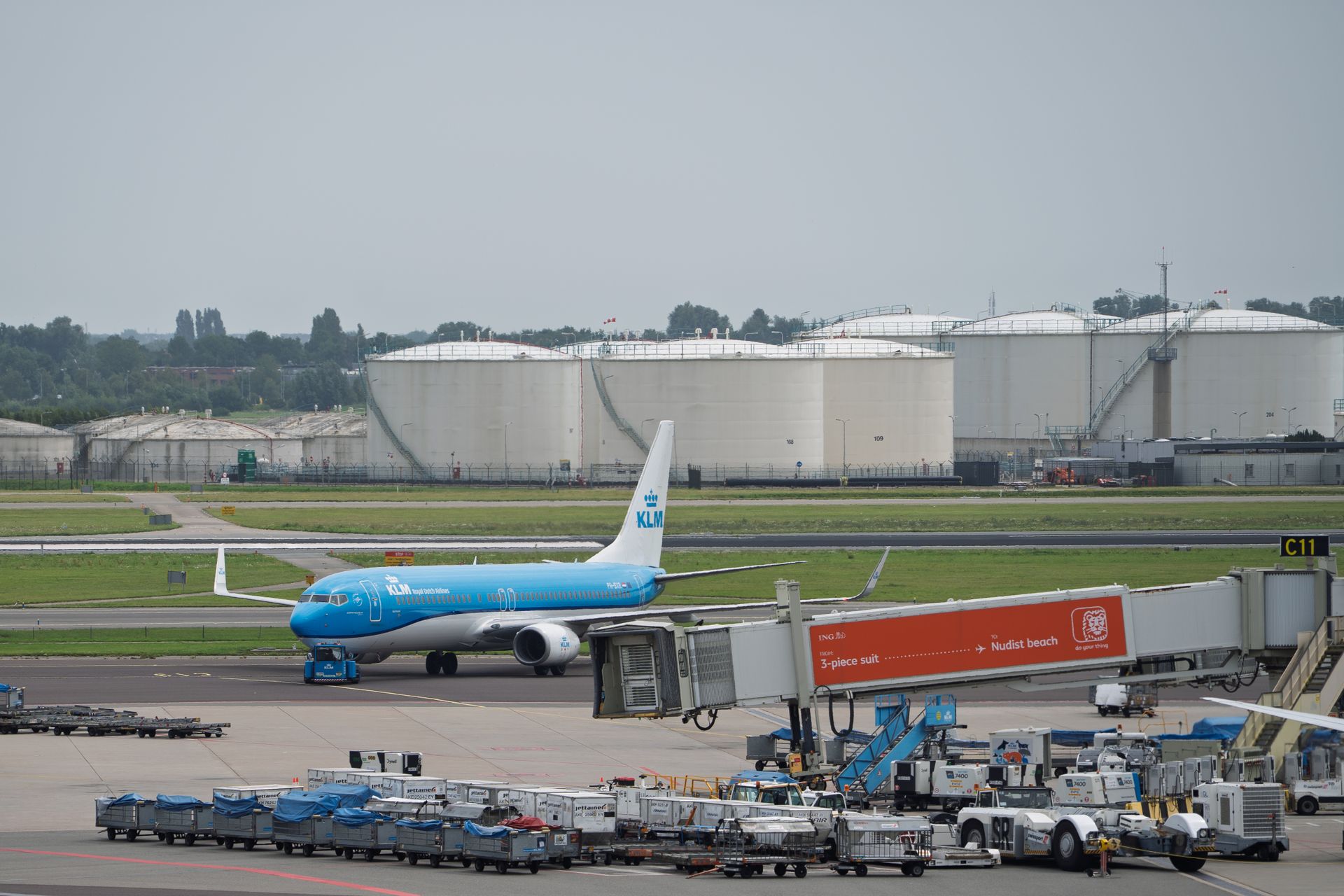
Airlines can cancel flights in advance over fuel shortages under new plans
Under new UK government plans, airlines can cancel flights in advance due to fuel shortages rather than wait until the last minute. This allows passengers time to rebook and make alternative arrangements.