New Zealand Fuel Prices Surged 13% in April Amid Iran War Pressure
Fuel prices in New Zealand surged by 13% in April, with the spike linked directly to global oil price increases driven by the Iran war. Pressure on household budgets and upside risks to headline inflation have become more visible. The data complicates the Reserve Bank's next moves.

Data from Stats NZ showed that fuel prices rose by 13% in April. The increase is directly linked to the surge in global oil prices triggered by the Iran war. New Zealand imports the bulk of its crude oil, so the price shock is being felt quickly through the local pump.
Economists estimate higher fuel costs could add between 0.3 and 0.5 percentage points to headline inflation on a monthly basis. The rise in transport costs is also feeding a secondary wave into food prices. Consumer confidence surveys are pointing to more cautious household spending across the country.
The Reserve Bank of New Zealand may have to reassess its rate-cut timeline as a result. The government has not yet given a clear answer on whether a temporary fuel excise review is on the table. Business associations have warned of further cost pressures, especially in the logistics and transport sectors.
More from Australia-Pacific
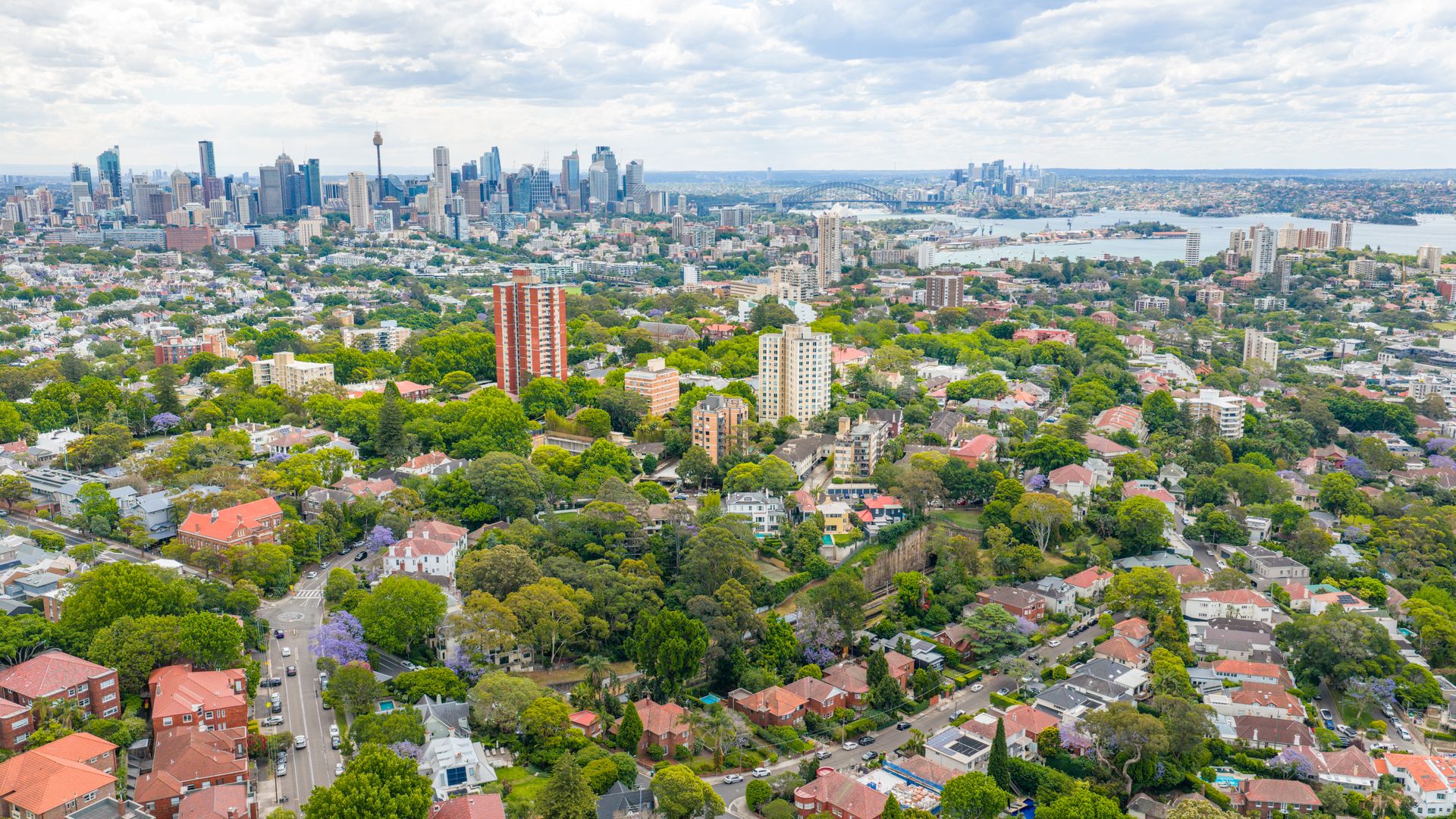
Young Australians say the federal budget falls short on generational equity
Australia's new federal budget puts emphasis on housing and retirement reform, but parts of Gen Z and Millennials say the package falls short of addressing generational imbalances. The debate is gaining momentum online.
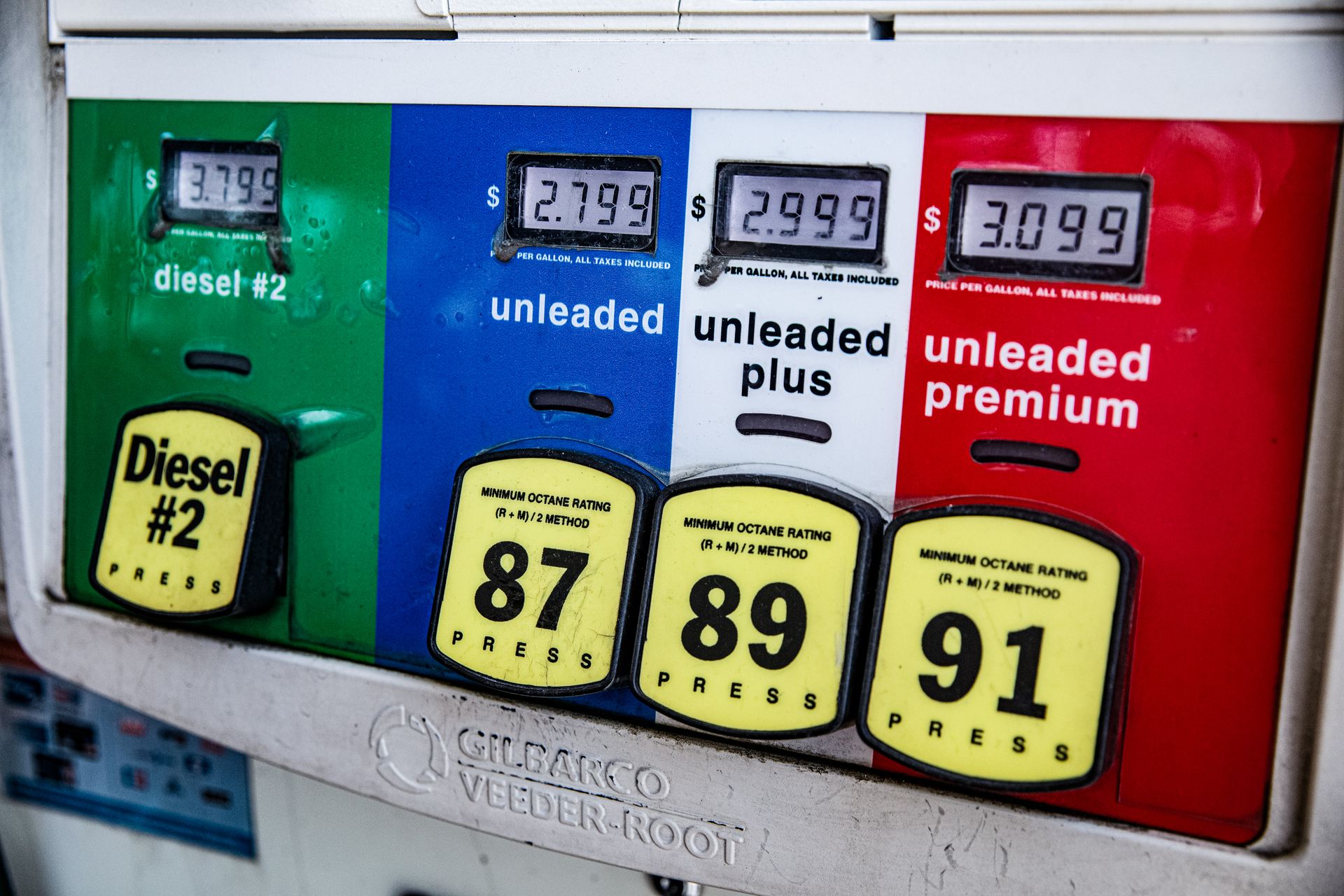
New Zealand fuel prices jumped 13% in April, diesel surged 37%
Fuel prices in New Zealand climbed 13% in April, with diesel surging close to 37% on the impact of the Iran war on the global oil market. Food prices were broadly flat over the same period.

Indigenous Australians Win Record A$150m After Billionaire Mined Without Permission
An Australian court ordered a record A$150 million (about US$100 million) in compensation to Indigenous owners after a billionaire's company mined land without permission. The ruling is being described as the country's largest payout linked to native land rights. The case sets a major legal precedent.