Iran Expands Tiered Internet Access Amid Continued Online Blackout
Iran's government said it has expanded a tiered system granting approved users limited connectivity amid continued internet restrictions. Digital rights observers warn the framework is pushing the country toward a permanent "two-tier internet."

Iran's Ministry of Information and Communications Technology said it has expanded a tiered access system for approved categories of users while keeping wartime restrictions in place. According to Al Jazeera, the new tier covers journalists, academics, exporting companies and digital banking customers. The system grants each user access to an approved whitelist of applications.
Iran has blocked broad access to foreign social media and messaging apps since early June this year. Officials defend the restrictions on "security grounds," while the digital rights group Filterwatch said the framework is evolving toward a permanent China-style filtering regime. Technology entrepreneurs in Tehran say lack of access to global platforms has brought business operations close to a standstill.
Experts interviewed by Al Jazeera said the current structure produces a two-tier internet and digitally isolates anyone outside official channels. The Iranian government announced that the user count of national messaging apps has reached 22 million. Additional parliamentary sessions in coming weeks will debate the tension between the digital economy and internet restrictions.
More from Middle East

Netanyahu says he 'secretly visited' UAE during war with Iran
Israeli Prime Minister Benjamin Netanyahu has said he paid a secret visit to the United Arab Emirates during the ongoing war with Iran. The statement raises fresh questions about regional diplomacy and the future of the Abraham Accords.

Cautious optimism in Lebanon as direct talks with Israel progress
A new round of direct talks between Lebanon and Israel has produced an agreement on de-escalation at points along the border. Officials in Beirut are stopping short of calling the process irreversible.
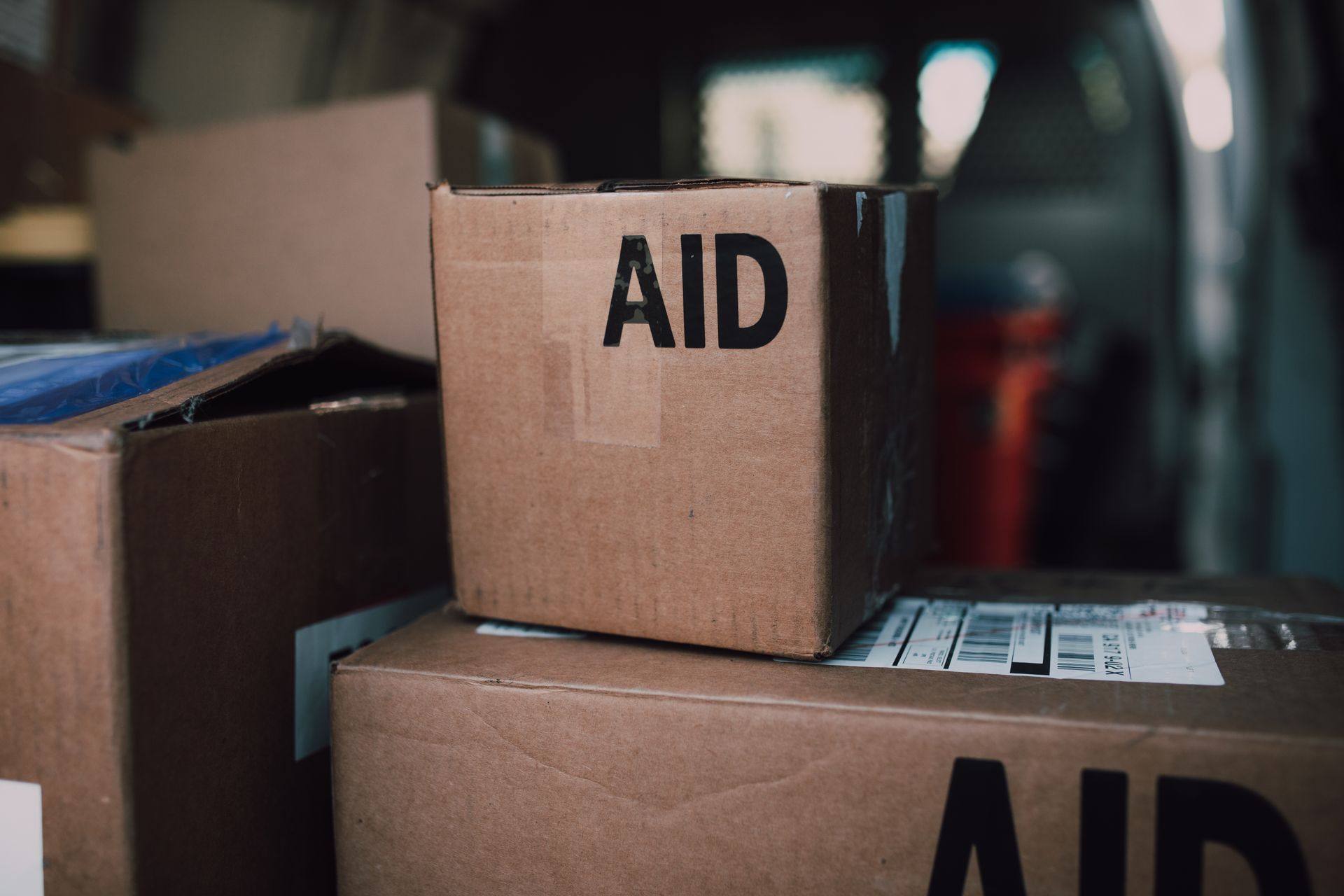
Trump Administration Pledges $1.8 Billion in Additional Humanitarian Aid to UN
The Trump administration said it has pledged $1.8 billion in additional humanitarian aid to the United Nations for Sudan, Gaza and other crisis zones. The move is seen as restoring some of the US share of global humanitarian funding.