Trump lays out Iran deal demands as 'final determination' nears
Speaking at the White House, Trump demanded a halt to uranium enrichment and Hormuz Strait security guarantees while saying he was close to a 'final determination'. In Tehran, chief negotiator Araghchi urged 'action rather than words', underscoring lingering mutual distrust.

US President Donald Trump told reporters at the White House that he would soon make a 'final determination' on negotiations with Iran. According to Trump, Washington is demanding that Tehran halt uranium enrichment entirely and provide binding guarantees that commercial shipping in the Strait of Hormuz will not be obstructed. Trump added that he expected to set a definitive posture 'within days', without preempting the outcome of the talks.
In Tehran, chief negotiator Abbas Araghchi responded cautiously to the US framing. Araghchi said Iran wanted 'actions, not words', arguing that Washington must translate its rhetoric into concrete guarantees. Tehran has signalled openness to reducing enrichment below specified thresholds rather than ending the programme outright; in return it is seeking rapid sanctions relief and access to frozen assets. Mediation channels run through Oman and Qatar.
In markets, Brent crude oscillated through the week in line with the diplomatic signalling and slipped back below 100 dollars per barrel. Goldman Sachs and other major investment banks expect a near-term phase of indecision to continue. A war-powers debate is also expected to return to the US Senate in the days ahead. This article is not investment advice.
More from North America
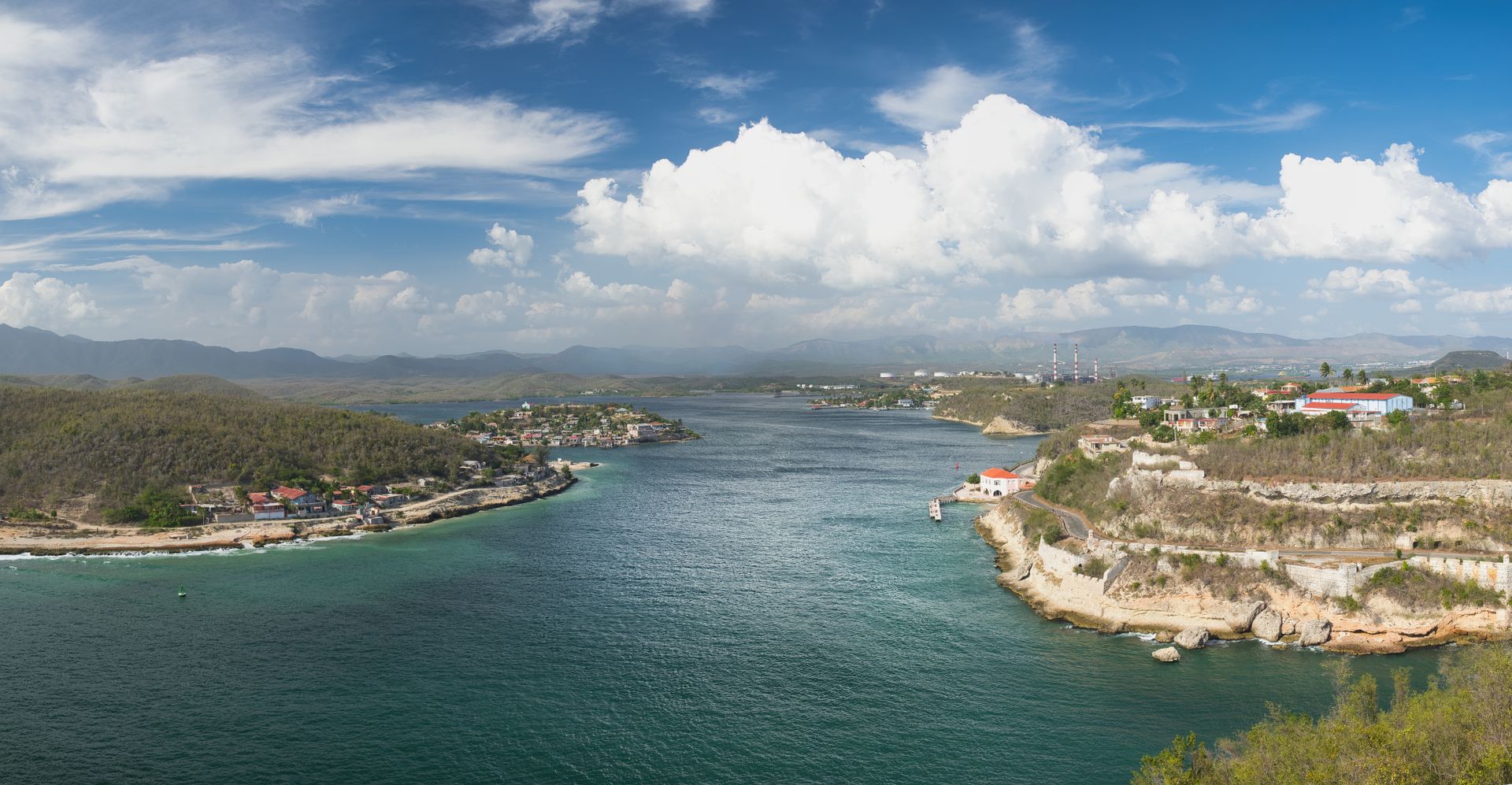
US general meets Cuban military officials at Guantanamo perimeter
General Francis Donovan met Cuban military officials at the edge of the US Naval Base at Guantanamo Bay, CNBC reported. The contact comes amid growing concerns of a possible US military action against the island and warrants careful framing of intent on both sides.
UAE says OPEC exit was a strategic economic move, not political
The United Arab Emirates said its decision to leave OPEC was a strategic economic choice rather than a political one. Officials told CNBC the move lets the country deploy spare production capacity freely and align output with its energy diversification plans.

Hegseth tells Asian allies China cannot impose hegemony in region
US Defense Secretary Pete Hegseth told Asian allies at the Shangri-La Dialogue in Singapore that China cannot impose hegemony on US partners in the region. The remarks frame Washington's Indo-Pacific posture and request for greater allied 'burden-sharing'.