Ethiopian mother welcomes rare quintuplets after 12 years of trying
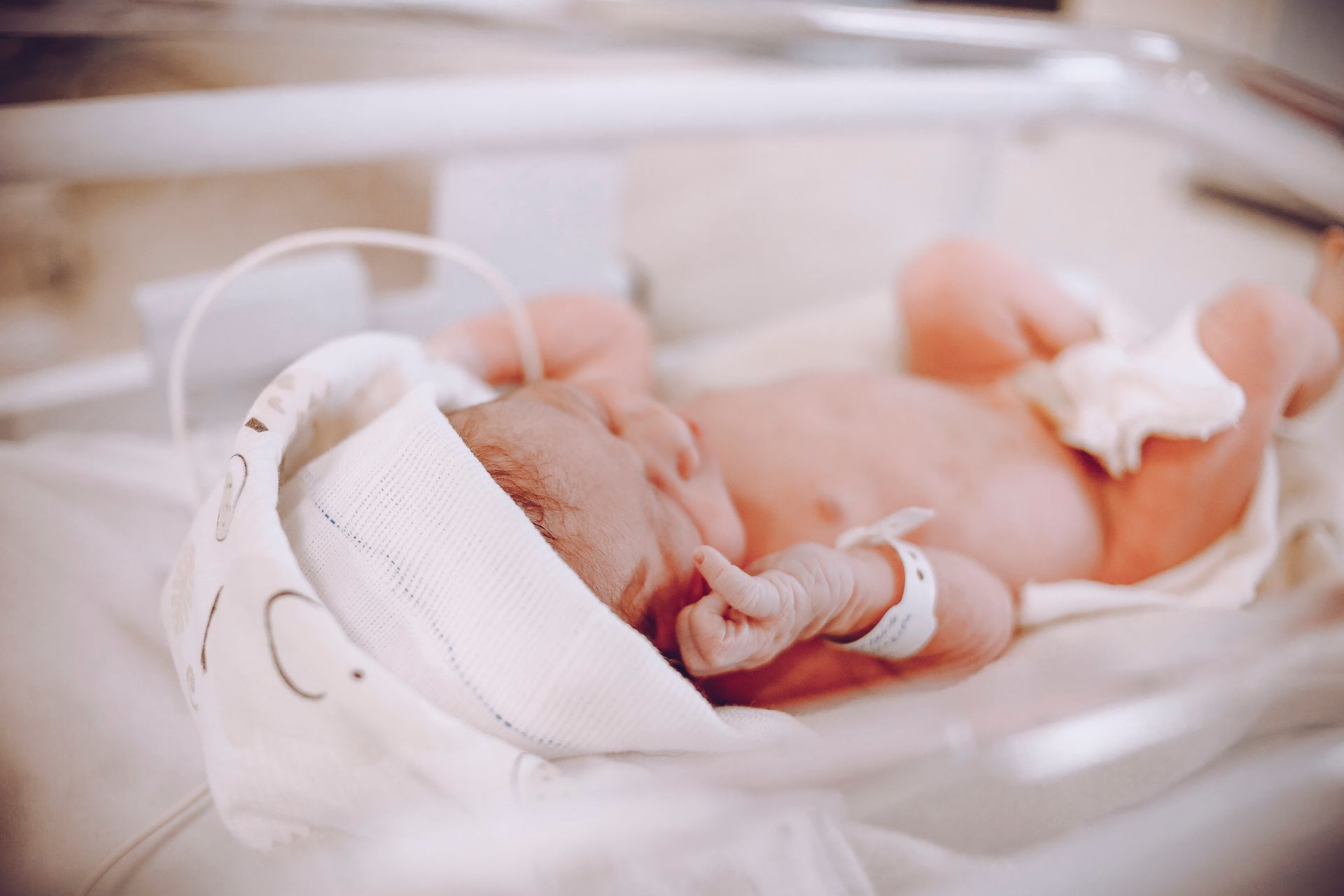
Genet Hagos, a 35-year-old woman from Ethiopia's northern Tigray region, has given birth to quintuplets after 12 years of trying for a baby, the Ayder Comprehensive Specialised Hospital in Mekele announced. Four girls and one boy were delivered at 33 weeks gestation by planned caesarean section. Their birth weights ranged from 1.2 to 1.8 kilograms.
The mother and babies were described as stable in a check-up three days after delivery. Speaking through the hospital in Tigrinya, Hagos said: "I was praying for one baby, and I have been blessed with five. I am still learning how to take in this gift." Her husband Kalayou Tesfay, who works as an ophthalmologist, has taken short-term leave from his clinic.
Natural quintuplet pregnancy is rare. The medical literature places the incidence at one in approximately 47 million births when fertility treatments are excluded. A 2024 review in Twin Research and Human Genetics found that natural quintuplet deliveries averaged about seven cases worldwide each year over the past decade, with the majority occurring in regions of higher overall fertility rates.
Hagos's pregnancy was initially flagged as a single foetus. At a 14-week scan, the hospital's perinatology team identified five separate sacs and five distinct heartbeats. Lead physician Dr Berhane Hailesellassie said: "Twins and triplets we see; quintuplets are vanishingly rare. Our first reaction was to confirm the result on three different machines." The hospital then admitted Hagos to the maternal unit in Mekele.
Throughout the pregnancy, Hagos was kept under tight nutrition and rest protocols. Hospital dietitian Selam Berhe managed a daily intake of 3,500-3,800 calories and supplied iron, folic acid and vitamin B12 supplementation. The mother's blood pressure, blood sugar and renal function were monitored weekly. Doctors began administering corticosteroids at 28 weeks to mature the foetal lungs.
The delivery took place on 8 May by planned caesarean. A 23-person medical team entered the operating room: one lead surgeon, three assistants, four anaesthesiologists, ten neonatologists and technicians, three nurses and two midwives. The procedure lasted 78 minutes. The fifth baby was delivered 11 minutes after the first. All five infants were transferred to the neonatal intensive care unit within minutes of birth.
The babies remain at Ayder Hospital. Two are still on mechanical ventilation, while three have transitioned to spontaneous breathing. All five are being tube fed. The hospital said the infants would need to remain under at least six more weeks of monitoring under Ethiopia's neonatal intensive-care protocols.
Dr Hailesellassie confirmed the pregnancy was natural and no fertility treatments had been used. Hormone tests showed Hagos did not have a profile of elevated follicle-stimulating hormone (FSH) or depressed anti-Mullerian hormone (AMH). "This is a case in which the conditions for spontaneous ovarian hyperstimulation were not met, but multiple ovulation occurred. There may be a genetic predisposition, but proving that would require a family-tree investigation," he said.
As news spread, Ethiopia's federal government offered direct financial support to the family. Health Ministry spokesperson Dr Hibret Asfaw said: "The state will support the family over the long term with nutrition, education and health-insurance assistance." Tigray regional authorities have promised funds toward the family home and a 50-square-metre supplementary housing allocation.
Hagos said at the hospital that the babies' names would carry religious and cultural meaning according to Tigrinya tradition. The case, in a family with no fertility treatment history, will enter perinatology textbooks as a clinical study. The five infants are Ethiopia's smallest quintuplets to be born in 2026.