Iceberg, romaine or kale: which salad greens are actually the healthiest
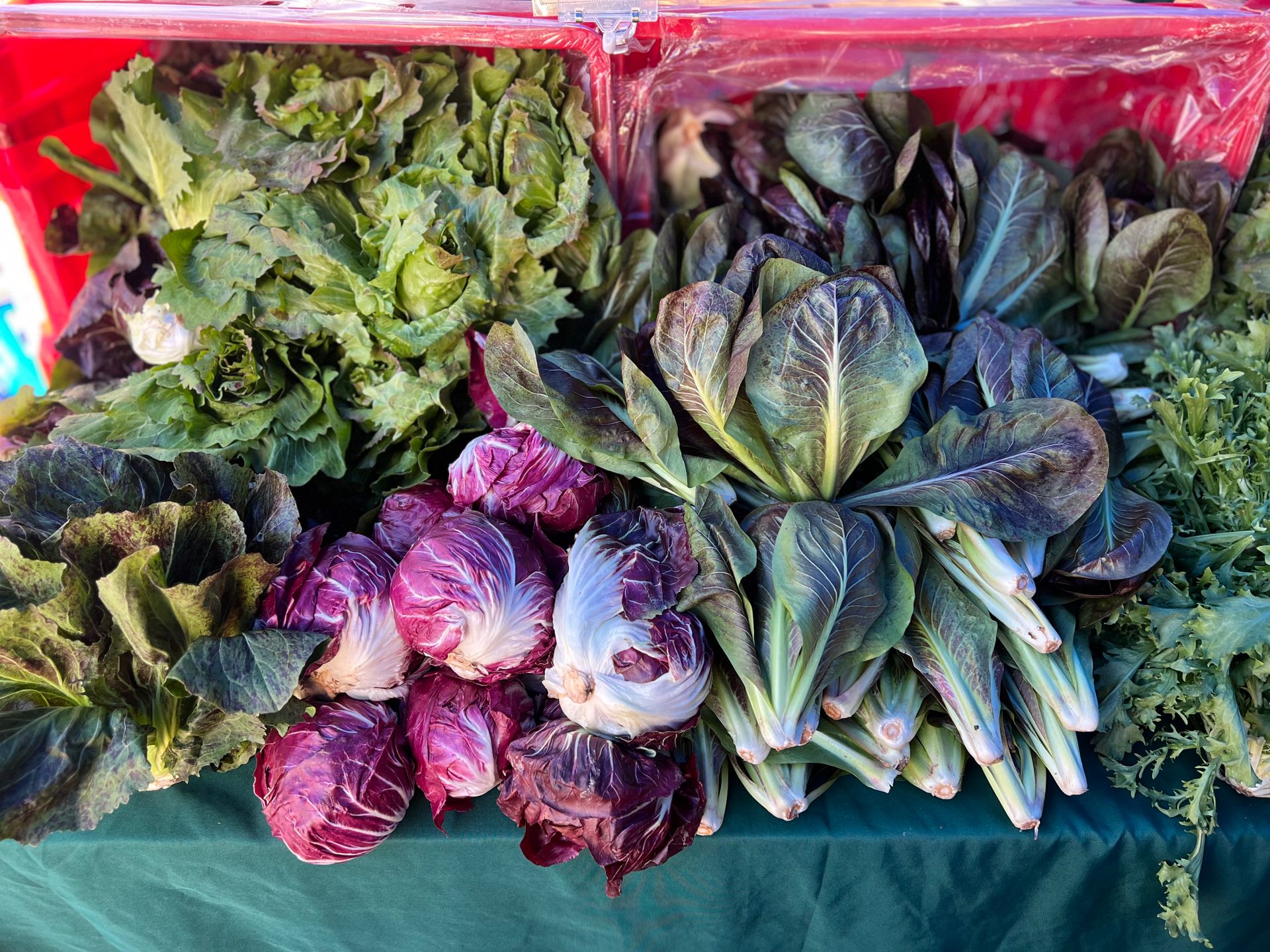
For a food so closely associated with dieting, lettuce has an oddly poor reputation among nutritionists. Iceberg lettuce in particular is routinely mocked as "crunchy water" — mostly cellulose and moisture, with a nutrient profile that pales next to darker, leafier greens. But the wholesale dismissal of pale lettuce misses a more useful question: which salad greens actually deliver meaningful nutrition, and does it matter enough to change what ends up in the bowl.
The basic pattern nutritionists point to is straightforward: color correlates loosely with nutrient density. Darker leaves generally contain more chlorophyll, and the plant compounds that produce deep green, red or purple pigmentation — including various carotenoids and anthocyanins — tend to travel with higher concentrations of vitamins A, C and K, along with folate and dietary fiber. Kale, spinach and arugula, all of which register toward the darker end of the color spectrum, consistently outperform paler lettuces on standard nutrient panels.
Iceberg lettuce, by contrast, is roughly 96% water by weight. That is not a nutritional failing so much as a description of what the vegetable is: a crisp, hydrating, low-calorie base that carries flavor and texture well but contributes comparatively little in the way of vitamins or minerals per serving. A cup of shredded iceberg contains a fraction of the vitamin K and vitamin A found in the same volume of raw kale or spinach.
Romaine lettuce sits in between. Its slightly deeper green color and firmer, more upright leaf structure reflect a modestly higher nutrient content than iceberg, including more vitamin A and folate, while remaining milder in flavor and higher in water content than kale or arugula. For many people, romaine represents a practical middle ground: nutritionally superior to iceberg without the bitterness that leads some diners to abandon darker greens altogether.
Kale has become something of a symbol for the darker end of the spectrum, and the nutrition data broadly supports its reputation. A cup of raw kale provides a substantial share of the recommended daily intake of vitamins A, C and K, along with meaningful amounts of manganese and modest protein for a leafy vegetable. Its fibrous, slightly bitter texture, however, means it is often better suited to being massaged with an acidic dressing, chopped finely, or lightly cooked, rather than eaten raw and whole the way lettuce typically is.
Beyond the household names, several less common greens rank even higher on some nutrient scales. Watercress, red-leaf lettuce, butter lettuce, beet greens and bok choy each bring distinct profiles: watercress is particularly rich in vitamin K and antioxidant compounds, beet greens carry substantial iron and magnesium, and bok choy delivers a notable amount of calcium for a leafy green. Nutritionists generally recommend rotating between several types rather than settling on one, both to diversify micronutrient intake and to avoid palate fatigue that can lead people to abandon salads altogether.
The conversation has taken on renewed relevance amid a cyclospora outbreak linked to fresh produce, which has prompted some consumers to reconsider not just which greens they eat, but how carefully they are washed and sourced. Public health officials note that the health value of any salad green is undermined if it is not handled and rinsed properly, and that thorough washing matters more for overall safety than the specific variety chosen.
Nutritionists caution against treating the color hierarchy as a strict ranking that makes some choices "bad." The overall nutritional value of a salad depends heavily on what accompanies the greens — a base of iceberg lettuce loaded with vegetables, protein, healthy fats and a modest dressing can outperform a bowl of undressed kale eaten on its own, both in nutrient completeness and in how satisfying and sustainable the meal actually is. Restrictive advice that frames only the darkest greens as acceptable risks discouraging people from eating salad at all.
For readers looking for a practical rule rather than a strict hierarchy, most dietitians suggest a simple heuristic: the darker and more varied the greens on the plate, the more nutrient density per calorie, but any salad green beats no vegetables, and mixing textures and colors — a base of romaine or spinach with a handful of arugula or watercress thrown in — captures most of the benefit without requiring an entirely kale-based diet.
Ultimately, the differences between salad greens matter most at the margins — for people building an entire diet around raw vegetables, or trying to maximize nutrient intake per calorie. For most people simply trying to eat more vegetables day to day, nutritionists say the more important variable is consistency: choosing whichever green you will actually eat regularly, dressing it in a way that makes it enjoyable, and building the rest of the plate around it.
Read next

The moment an earthquake shook a Japanese hospital mid-operation, and what it reveals about disaster-ready care
Security camera footage from Kumamoto General Hospital shows surgeons shielding a patient on the operating table as a magnitude 6.8 earthquake shook the building last month. The video has renewed attention on how hospitals in seismically active regions design operating rooms, staff protocols and building infrastructure to keep surgery safe during a disaster.
FDA approves Bristol Myers Squibb drug, marking debut of a new class for blood cancer
The US Food and Drug Administration has approved a Bristol Myers Squibb treatment, marketed as Zenbexus, for advanced multiple myeloma, introducing a new class of drugs for the incurable blood cancer. The approval offers another option for patients whose disease has stopped responding to existing therapies.

Can antihistamines really ease PMDD and menopause symptoms
A social media trend claims that combining two over-the-counter antihistamines, Allegra and Pepcid, can dramatically ease the emotional and physical symptoms of premenstrual dysphoric disorder and menopause. Doctors say there is a plausible biological mechanism involving mast cells and hormones, but caution that the evidence remains thin and self-medicating carries real risks.

Triple-drug treatment clears HIV in newborn primates within days of exposure
Researchers used a one-time combination of three therapies — standard antiretrovirals, broadly neutralizing antibodies and an experimental antibody — to completely clear HIV from newborn nonhuman primates treated within three days of exposure. None of the three treatments cleared the virus alone, suggesting a narrow but real window for eliminating infection soon after birth.

Why taking the stairs could add years to your life
A large analysis of more than 480,000 people found that regular stair climbers were 39% less likely to die from cardiovascular disease and 24% less likely to die from any cause than people who rarely used stairs. The findings add to evidence that small bursts of daily movement carry outsized health benefits.