The moment an earthquake shook a Japanese hospital mid-operation, and what it reveals about disaster-ready care
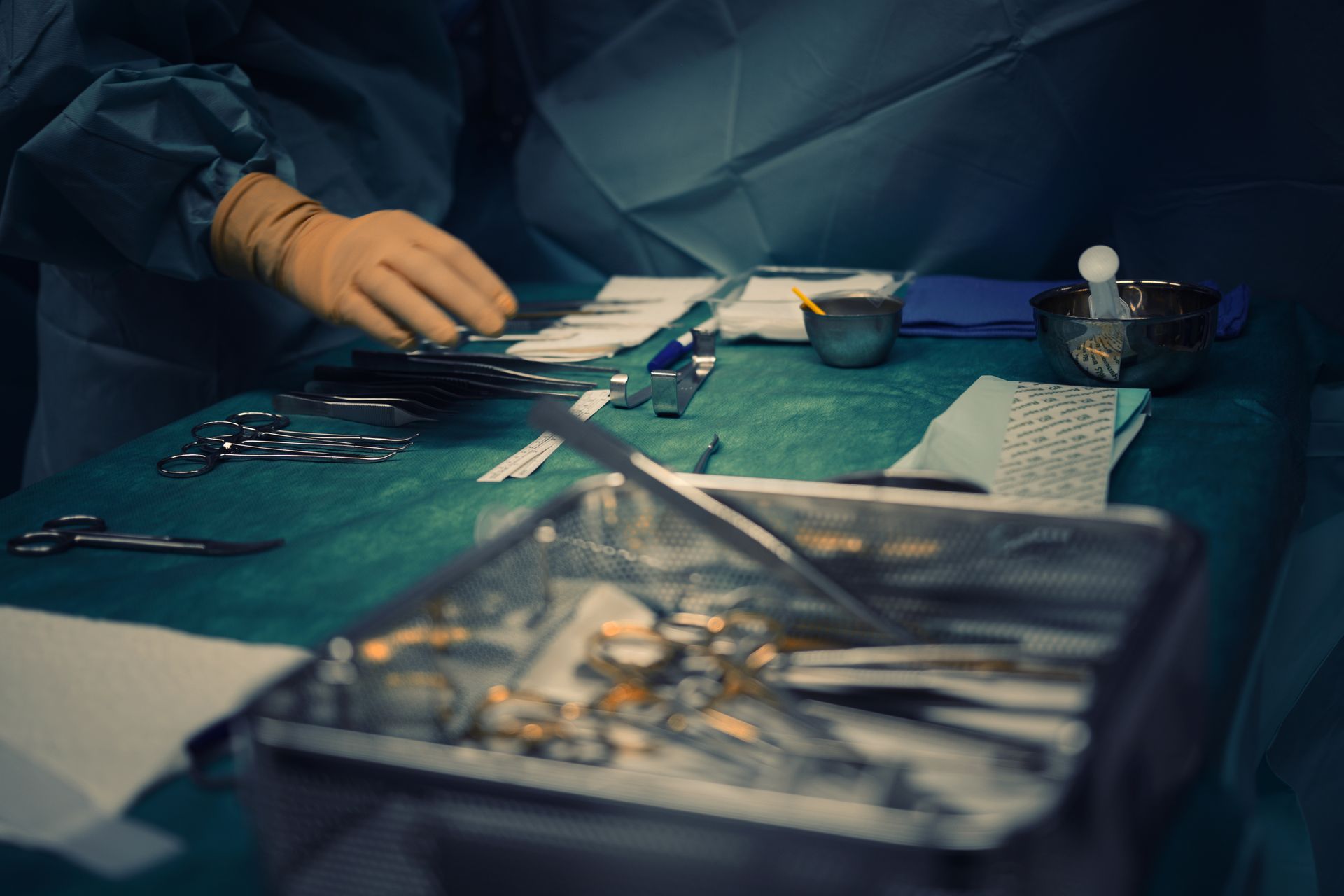
Security camera footage released from Kumamoto General Hospital shows an unnerving few seconds: overhead lights swaying, equipment trays rattling, and a surgical team instinctively moving to shield a patient on the operating table as the floor beneath them shook. The magnitude 6.8 earthquake that struck the region last month lasted only moments, but the footage has drawn wide attention to a question hospital administrators in earthquake-prone regions rarely discuss publicly: what actually happens when a major tremor hits in the middle of surgery.
Japan sits atop one of the most seismically active zones on Earth, at the boundary of several tectonic plates, and its hospitals have spent decades refining building codes and emergency protocols specifically for the possibility of a quake striking mid-procedure. Kumamoto itself is no stranger to this risk — the region experienced a devastating sequence of earthquakes in 2016 that killed dozens of people and caused widespread structural damage, prompting a wave of hospital infrastructure reviews across the prefecture.
Operating rooms present a uniquely difficult problem during a seismic event. Unlike most areas of a hospital, where the standard advice during an earthquake is to drop, cover and hold on, a patient under anesthesia mid-surgery cannot be moved quickly, and an open surgical site cannot simply be paused without risk. Surgical teams train specifically for this scenario: rather than evacuating, staff are taught to stabilize the patient, shield the surgical field from falling debris or equipment, and maintain the sterile environment as best as possible until the shaking stops and the situation can be reassessed.
Modern Japanese hospitals, particularly those built or retrofitted after the country's 1995 Kobe earthquake and the 2011 Tohoku earthquake and tsunami, incorporate seismic isolation systems — base isolators, dampers and reinforced structural frames — designed specifically to reduce the force transmitted to critical areas like operating theaters and intensive care units during a quake. Equipment in these rooms is typically secured or designed to resist tipping, and backup power systems are engineered to activate within seconds if the main grid fails, since surgical equipment, ventilators and monitoring systems cannot tolerate even brief power interruption.
The footage from Kumamoto shows this training and infrastructure functioning largely as intended: despite visible shaking, the surgical team maintained control of the patient and the procedure was able to continue once the tremor passed. Hospital administrators described the outcome as evidence that the extensive, expensive investment in seismic-resistant infrastructure — investment that is difficult to justify in budget terms until the exact moment it is needed — had paid off.
The incident also highlights a broader tension in hospital design and disaster planning: the resources required to make a facility earthquake-resilient are substantial, and in regions where major seismic events are infrequent, that investment can be difficult to prioritize against more immediately visible needs like staffing, equipment upgrades or expanded patient capacity. Japan's experience — repeated, severe earthquakes over recent decades — has made the case for seismic investment unusually concrete for hospital planners, in a way that is harder to replicate in regions where the risk, while real, feels more abstract.
Disaster medicine researchers have increasingly studied hospital performance during real seismic events, rather than relying solely on simulations, because live incidents reveal gaps that planning exercises can miss — communication breakdowns between departments, unexpected equipment failures, or staff behavior under genuine acute stress that differs from rehearsed drills. Footage like the Kumamoto video, while unsettling to watch, provides valuable documentation for exactly this kind of real-world review.
The hospital's leadership said no patients or staff were seriously harmed during the incident, and that the surgery in progress was completed successfully after a brief pause. Hospital officials noted that debriefs following the earthquake have already begun feeding into refinements of the facility's emergency protocols, a routine practice after any significant seismic event in the region regardless of whether the outcome was ultimately positive.
For hospitals outside Japan, particularly in regions with growing seismic risk awareness such as parts of the western United States, the Mediterranean and Southeast Asia, incidents like this one are often studied closely as real-world case studies. Hospital design standards and emergency protocols developed in Japan, refined over decades of frequent seismic activity, have increasingly influenced building codes and disaster planning guidance adopted by hospitals in other earthquake-prone regions around the world.
For the surgical team captured in the footage, the earthquake was, in the end, a brief and frightening interruption rather than a catastrophe — a distinction the hospital's administrators credited directly to years of drills, structural investment and protocols most staff hope never to use. The video's wider circulation, uncomfortable as it may be to watch, has served as an unusually vivid argument for taking that kind of preparation seriously long before it is tested.
Read next
FDA approves Bristol Myers Squibb drug, marking debut of a new class for blood cancer
The US Food and Drug Administration has approved a Bristol Myers Squibb treatment, marketed as Zenbexus, for advanced multiple myeloma, introducing a new class of drugs for the incurable blood cancer. The approval offers another option for patients whose disease has stopped responding to existing therapies.

Can antihistamines really ease PMDD and menopause symptoms
A social media trend claims that combining two over-the-counter antihistamines, Allegra and Pepcid, can dramatically ease the emotional and physical symptoms of premenstrual dysphoric disorder and menopause. Doctors say there is a plausible biological mechanism involving mast cells and hormones, but caution that the evidence remains thin and self-medicating carries real risks.

Iceberg, romaine or kale: which salad greens are actually the healthiest
Nutritionists say not all salad greens are created equal: darker, more bitter leaves generally carry more vitamins, minerals and fiber than pale, watery ones like iceberg lettuce. Here is how the most common options compare, and what actually matters when building a healthy salad.
Triple-drug treatment clears HIV in newborn primates within days of exposure
Researchers used a one-time combination of three therapies — standard antiretrovirals, broadly neutralizing antibodies and an experimental antibody — to completely clear HIV from newborn nonhuman primates treated within three days of exposure. None of the three treatments cleared the virus alone, suggesting a narrow but real window for eliminating infection soon after birth.

Why taking the stairs could add years to your life
A large analysis of more than 480,000 people found that regular stair climbers were 39% less likely to die from cardiovascular disease and 24% less likely to die from any cause than people who rarely used stairs. The findings add to evidence that small bursts of daily movement carry outsized health benefits.