Organ transplant waiting lists are unfair, NHS Blood and Transplant's own doctor says
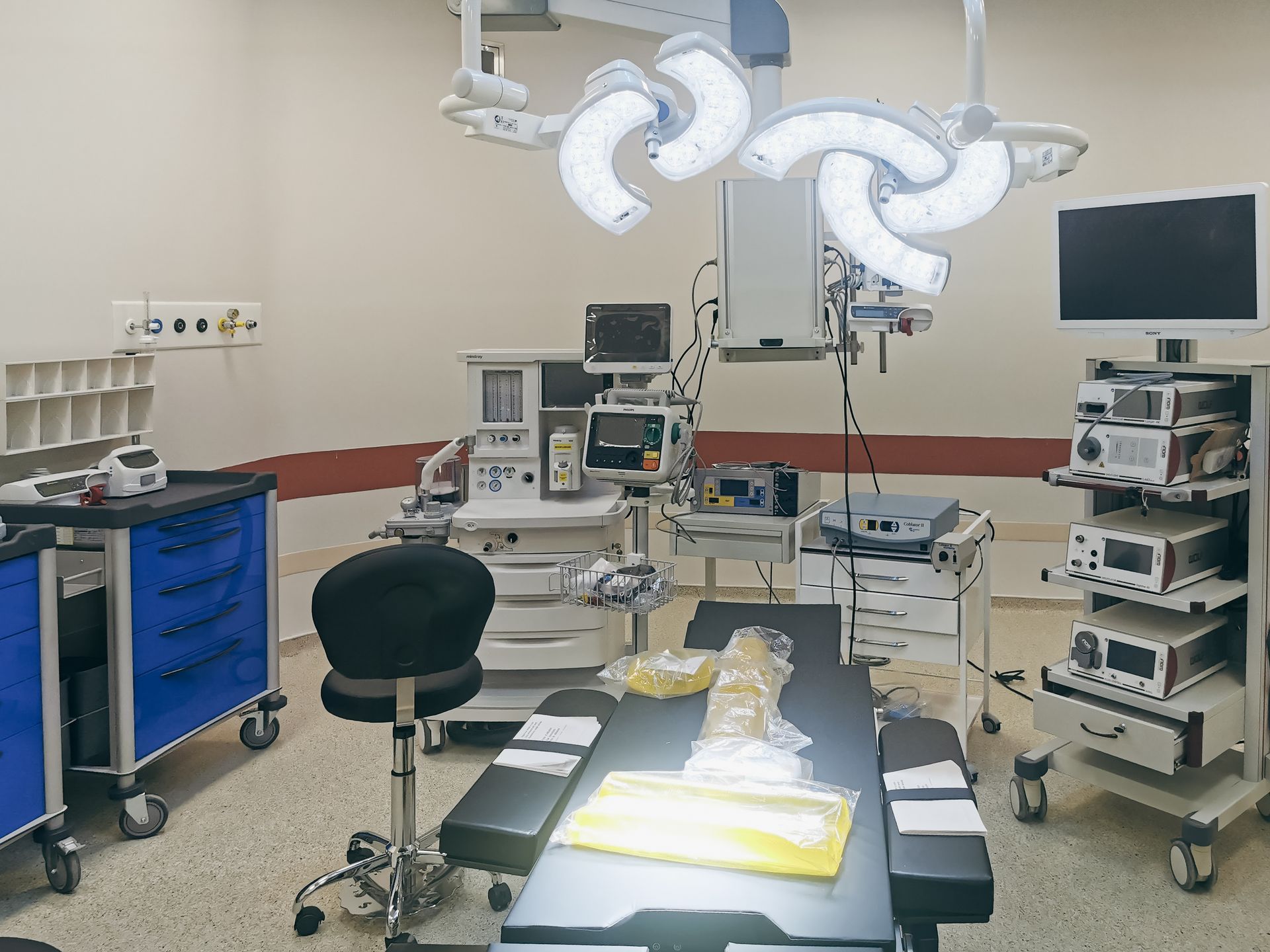
A public rebuke from inside the National Health Service's own transplant infrastructure has drawn fresh attention to long-running problems with organ transplant waiting lists in England. The medical director of NHS Blood and Transplant, the organisation responsible for coordinating donations and allocations nationally, said openly that current waiting lists for organ operations are unfair, and that the leaders responsible for addressing the issue are not doing so.
The criticism is notable partly because of where it originates. NHS Blood and Transplant sits close to the operational centre of the transplant system, giving its medical director direct visibility into how allocation decisions are made, how long patients wait, and where bottlenecks in capacity actually occur, rather than relying on external estimates or secondhand reporting.
Waiting list unfairness in transplant medicine typically stems from a mix of factors: geographic disparities in how quickly a patient can be matched depending on regional transplant centre capacity, differences in how various organ types are prioritised, and structural inequalities in referral patterns that can leave certain patient groups waiting disproportionately longer than others for a comparable clinical need.
Organ transplantation occupies a particularly unforgiving position within healthcare system planning because, unlike many other forms of treatment, capacity cannot simply be expanded by increasing funding in isolation. The number of transplants performed is fundamentally constrained by donor organ availability, meaning waiting list pressures reflect not only staffing and hospital capacity but also the separate, harder-to-influence question of donation rates.
The medical director's specific criticism appears aimed less at the constraint of organ supply itself and more at how the system manages and prioritises the patients waiting within that constrained supply — a distinction that matters because it points toward operational and administrative reform as a potential lever, rather than solely depending on increasing donor numbers, which has proven a slower and less directly controllable variable.
NHS leadership bodies have faced recurring criticism over waiting list management across multiple specialties in recent years, with transplant services representing a particularly high-stakes example given that delays can directly affect survival outcomes for patients with organ failure, unlike waiting list delays in many other areas of elective care.
Patient advocacy groups working in the transplant space have previously raised similar concerns about unevenness in how quickly patients progress through waiting lists, noting that the consequences of delay in this specific area of medicine are unusually severe: patients waiting for certain organs face a meaningful risk of dying before a suitable match becomes available, a pressure not present in most other categories of NHS waiting list.
The scale of unmet need in UK organ transplantation has been a persistent policy concern for years, with periodic government and NHS initiatives aimed at increasing donor registration, streamlining consent processes, and improving the efficiency of organ matching and allocation, though outcomes from these initiatives have varied and campaigners have continued to describe overall progress as insufficient relative to demand.
Having this critique voiced publicly by a senior clinical figure embedded within the transplant system itself, rather than solely by outside patient groups or opposition politicians, is likely to add pressure on NHS leadership to respond directly to the specific unfairness concerns raised, given the source's direct operational credibility on exactly how allocation decisions are made.
For patients currently on transplant waiting lists, the practical significance of this intervention will depend on whether it translates into concrete changes in how waiting lists are managed and prioritised, rather than remaining solely a high-profile statement about a problem that transplant clinicians and patient groups have already been documenting for years.
Read next

Cancer patients now wait longer to start treatment than a decade ago, study finds
A new study covering multiple cancer types finds that the time between diagnosis and the start of treatment has lengthened significantly over the past ten years. Researchers say the delay holds across nearly every cancer studied, raising concern because faster treatment starts are generally linked to better outcomes.

Europe is warming faster than any other continent. What does that mean for health?
Europe is heating up roughly twice as fast as the global average, making it the world's fastest-warming continent, with tens of thousands of heatwave deaths recorded across the region so far this summer. Scientists point to a specific combination of atmospheric and oceanic factors that make Europe unusually exposed to rapid temperature rise.

Why exercise may help the aging brain take out its own trash
New research finds that regular physical activity supports the brain's glymphatic system, the network responsible for clearing waste that builds up with age. Better sleep, lower inflammation and healthier blood vessels linked to exercise may together help protect against cognitive decline later in life.
DRC and WHO advance talks on a Phase 3 trial of Ebola vaccines
The Democratic Republic of the Congo and the World Health Organization are in advanced talks to expedite a multi-armed Phase 3 clinical trial of Ebola vaccines, as the country's current outbreak continues. A faster trial timeline could help settle open questions about vaccine effectiveness against the circulating strain while the outbreak is still active.

Sheep's wool could become a new material for regrowing bone
Researchers have found that keratin extracted from sheep's wool can help damaged bone regenerate in animal studies, producing tissue more structurally similar to healthy bone than scaffolds made from conventional collagen. The discovery could turn a cheap, abundant agricultural byproduct into a promising material for regenerative medicine.