Sheep's wool could become a new material for regrowing bone
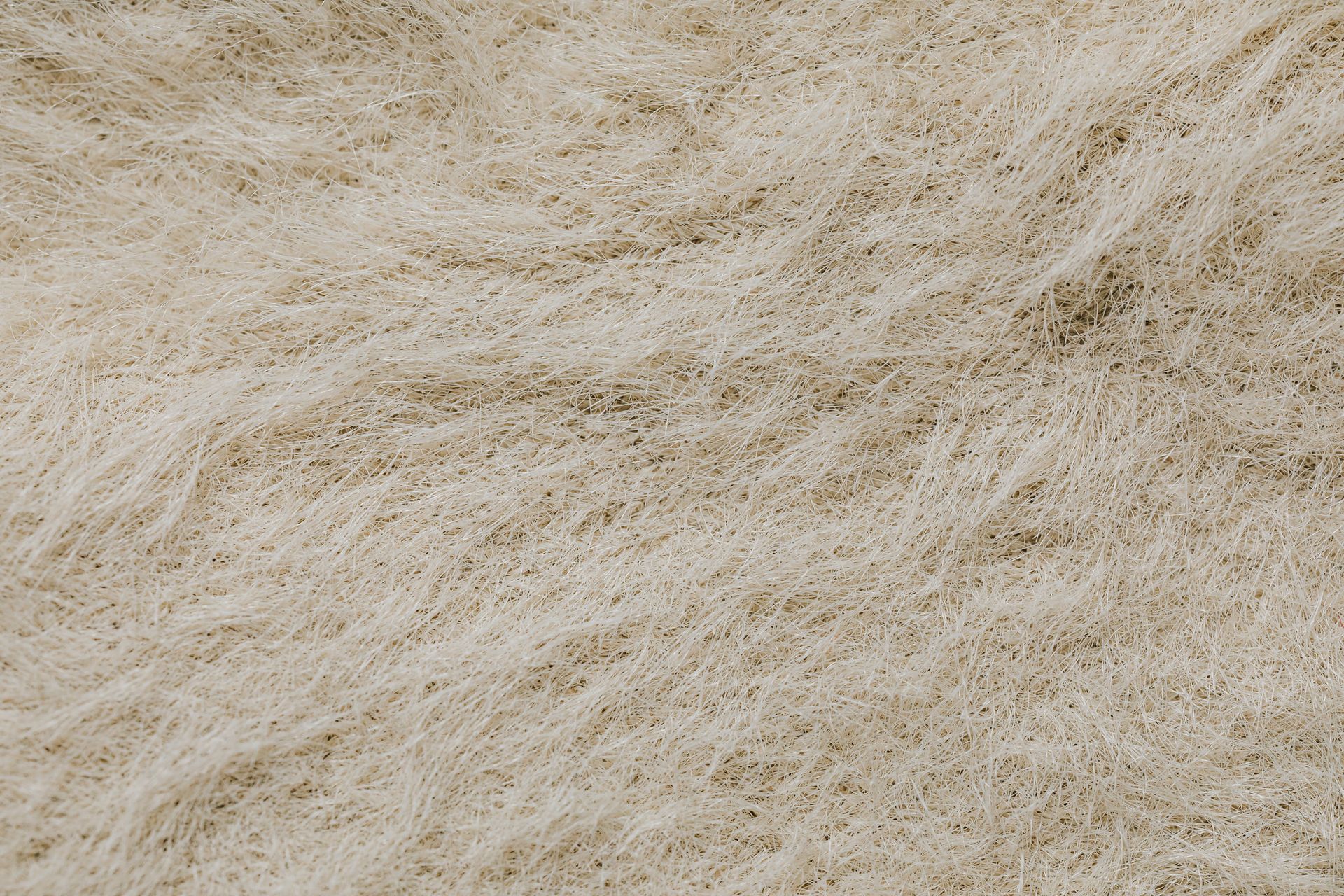
An unexpected candidate has emerged in the search for better materials to help regenerate damaged bone: keratin, the structural protein that makes up sheep's wool. New research has found that keratin extracted from wool can serve as a scaffold that guides bone regeneration in animal studies, producing new tissue that more closely resembles the organisation of healthy bone than tissue grown using more conventional materials.
Regenerative medicine has long relied heavily on collagen-based scaffolds to support bone healing, particularly in cases where damage is too extensive for the body to repair on its own, such as large fractures, bone loss following tumour removal, or defects arising from severe trauma. Collagen scaffolds work by providing a physical structure that encourages new bone cells to grow into an organised, three-dimensional shape rather than forming disorganised tissue.
In the new research, keratin extracted from sheep's wool was tested as an alternative scaffold material and produced results that researchers describe as notably more organised than typical collagen-based results, with the newly grown bone tissue showing a structure and organisation that more closely matched healthy, naturally formed bone than tissue grown on conventional scaffolds.
Keratin's structural properties appear to be central to why it performs well in this role. As a fibrous protein, keratin naturally forms strong, stable structures — the same properties that make wool durable as a textile fibre translate into a scaffold material capable of providing physical support to regenerating tissue while gradually breaking down as new bone establishes itself, a property regenerative scaffolds generally need to have.
The practical appeal of using sheep's wool extends well beyond its biological performance. Wool is an abundant global agricultural byproduct, produced in enormous quantities as part of the sheep farming industry regardless of demand for the material itself, and in many markets a portion of wool production goes underused or is treated as low-value waste, meaning a viable medical application would represent added value from an already-existing supply chain rather than requiring new production infrastructure.
Cost is a significant consideration in regenerative medicine materials, where existing options — including certain collagen preparations and synthetic polymer scaffolds — can be expensive to produce at the purity and consistency required for clinical use. A keratin-based alternative derived from an inexpensive agricultural byproduct could, if it proves viable through further research, meaningfully lower the cost barrier for bone-regeneration treatments.
The research remains at the animal-study stage, an important caveat that researchers were careful to note. Positive results in animal models are a necessary but not sufficient step toward eventual use in human medicine, and the pathway from an animal study to an approved clinical material typically involves additional years of research addressing safety, manufacturing consistency, and larger-scale efficacy testing.
Researchers highlighted that the improved structural organisation observed in the keratin-based tissue is scientifically significant beyond the specific bone-healing application, since tissue organisation is generally understood to correlate with mechanical strength and long-term durability, meaning bone regenerated with better organisation may ultimately prove more functionally similar to a patient's original, undamaged bone.
If keratin-based scaffolds do progress toward clinical use, the potential applications span a wide range of orthopaedic and reconstructive medicine, including treatment of complex fractures, bone defects following cancer surgery, and potentially dental and craniofacial reconstruction, all areas where current scaffold materials have known limitations in producing bone tissue that fully matches the mechanical properties of the surrounding healthy bone.
For now, the findings represent an early but genuinely promising step in an ongoing search across regenerative medicine for scaffold materials that combine biological performance with practical, scalable sourcing — criteria that an everyday agricultural byproduct like sheep's wool was not an obvious candidate to meet until this research suggested otherwise.
Read next
Cancer patients now wait longer to start treatment than a decade ago, study finds
A new study covering multiple cancer types finds that the time between diagnosis and the start of treatment has lengthened significantly over the past ten years. Researchers say the delay holds across nearly every cancer studied, raising concern because faster treatment starts are generally linked to better outcomes.

Europe is warming faster than any other continent. What does that mean for health?
Europe is heating up roughly twice as fast as the global average, making it the world's fastest-warming continent, with tens of thousands of heatwave deaths recorded across the region so far this summer. Scientists point to a specific combination of atmospheric and oceanic factors that make Europe unusually exposed to rapid temperature rise.

Why exercise may help the aging brain take out its own trash
New research finds that regular physical activity supports the brain's glymphatic system, the network responsible for clearing waste that builds up with age. Better sleep, lower inflammation and healthier blood vessels linked to exercise may together help protect against cognitive decline later in life.
DRC and WHO advance talks on a Phase 3 trial of Ebola vaccines
The Democratic Republic of the Congo and the World Health Organization are in advanced talks to expedite a multi-armed Phase 3 clinical trial of Ebola vaccines, as the country's current outbreak continues. A faster trial timeline could help settle open questions about vaccine effectiveness against the circulating strain while the outbreak is still active.
Organ transplant waiting lists are unfair, NHS Blood and Transplant's own doctor says
The medical director of NHS Blood and Transplant has publicly criticised NHS leaders, saying organ transplant waiting lists are unfair and that those in charge are not solving the problem. The rebuke, from within the system itself, highlights long-standing pressures on transplant capacity across England.