Why coffee might help your body fight stress and aging, according to a hidden cellular switch
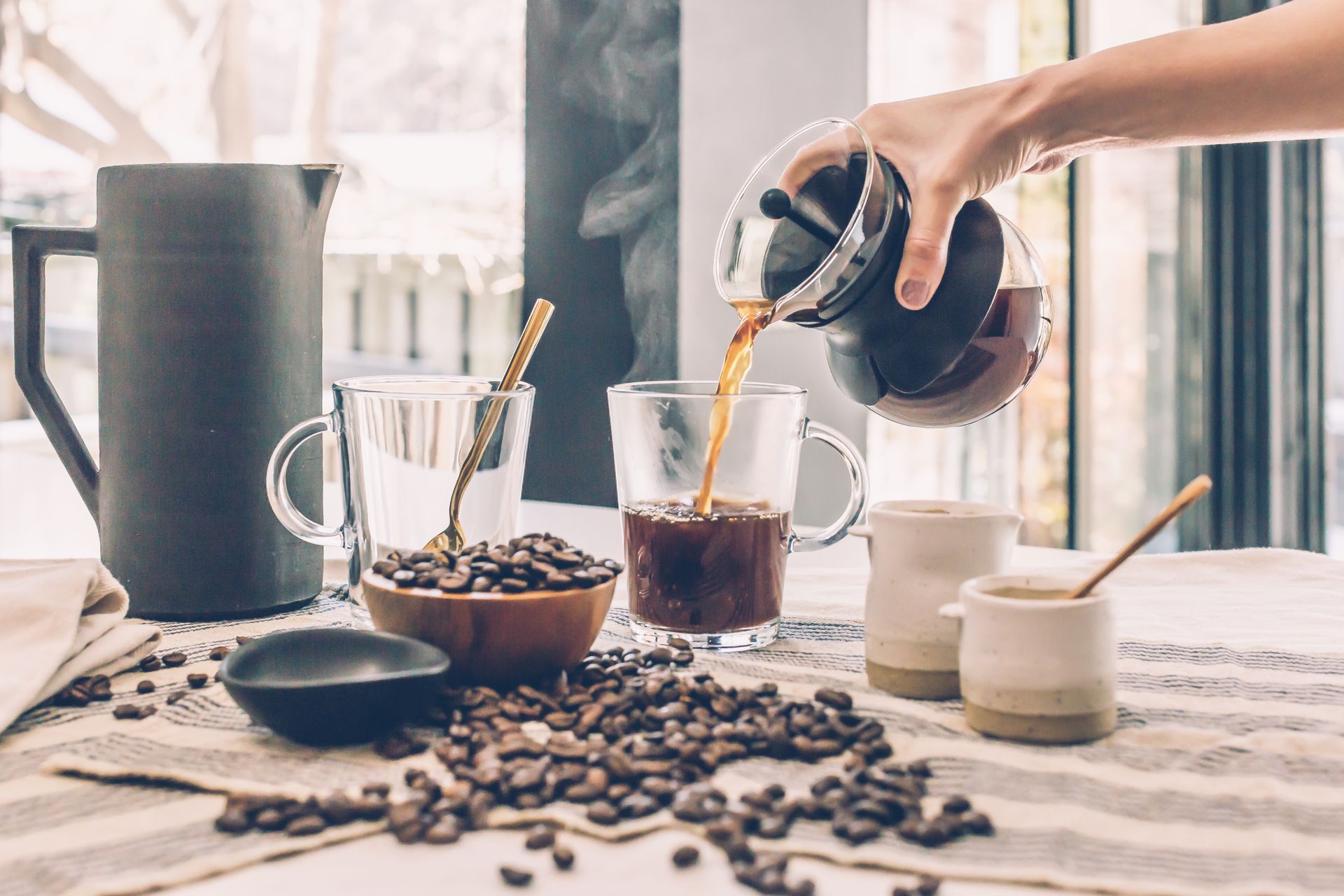
Coffee's relationship with health is one of the most consistent findings in the history of epidemiological research. Dozens of large-scale studies have linked regular coffee consumption to lower rates of type 2 diabetes, liver disease, certain cancers and overall mortality. But exactly how that relationship works at the cellular level has long remained a puzzle.
A new study proposes a mechanism that could fill that gap: a cellular receptor called NR4A1. This receptor plays a central role in how cells protect themselves against stress, inflammation and damage; when activated, it strengthens the cell's survival pathways.
Researchers tested how strongly various compounds found in coffee affect this receptor in the lab. The results were unexpected: it wasn't caffeine itself, but caffeic acid — one of coffee's plant-based compounds — that activated NR4A1 far more strongly than caffeine did.
This finding matters, because coffee's health effects have long been largely attributed to caffeine. Caffeic acid and similar polyphenol compounds are among the antioxidant substances naturally found in coffee beans, and their levels are also affected by the roasting process.
In a critical part of the experiment, researchers genetically removed the NR4A1 receptor from cells. The result was clear: without the receptor, the protective effect of coffee compounds disappeared entirely. That's strong evidence that the observed benefit really does run through this specific cellular pathway.
Activating NR4A1 appears to help protect cells from oxidative stress — the damage free radicals cause to cellular components. Oxidative stress is considered one of the underlying mechanisms of aging and many chronic diseases, which is why any natural compound targeting it draws significant interest.
The findings suggest that coffee's health benefits may not come solely from its stimulant effect, but also from activating a protective biochemical pathway at the cellular level. That could help explain why even decaffeinated coffee appears to retain some of its health benefits.
Researchers are cautious in their language: this is a lab study conducted in animal models and cell cultures, and whether it translates directly into clinical outcomes in humans has not yet been proven. Factors such as the amount of coffee consumed, roast level and individual metabolism could all change how pronounced the effect is in people.
Still, the finding points to an exciting direction for nutrition science: mapping which specific compounds in food trigger which cellular pathways could open the door to targeted supplements or drugs in the future — including compounds that mimic the same protective effect without drinking coffee at all.
For now, scientists' advice is clear: while the results are exciting, it's premature to treat coffee as an 'anti-aging drug'. But we're now one step closer to a concrete cellular explanation for why regular, moderate coffee consumption has been linked to health for years.
Read next

Taco Bell lettuce confirmed as source of parasite outbreak across five US states
US health officials have confirmed that lettuce from Mexico, served at Taco Bell locations across five states, is the source of an outbreak of the parasite cyclospora, which causes severe diarrhea. The outbreak has now sickened more than 400 people nationwide and continues to grow.

The Hum: why a mysterious sound heard worldwide may finally have an explanation
For decades, thousands of people around the world have reported hearing a low, droning sound with no traceable external source — a phenomenon known as The Hum. New research points not to an external noise but to a form of low-frequency tinnitus generated inside the ear itself.

Migraines: what causes them, and what actually brings relief
Migraine is one of the oldest documented illnesses in medicine, yet scientists have only really begun to understand it in the past decade. The journey from blood-vessel theories to brainstem circuitry has produced the first drug classes designed specifically to target migraine.
MenB vaccine: why UK experts want teenagers from 15 to get it free
Health advisers in England have recommended that the government offer the meningococcal B vaccine free to teenagers from age 15. The push follows an outbreak in Kent earlier this year that killed two people, and targets the age group most likely to carry the bacteria without symptoms.

Fitness trackers: how wearable data can flag pregnancy before a test does
Fitness trackers that monitor heart rate, skin temperature and sleep are picking up early physiological signs of pregnancy days or weeks before a home test would. The signals come from data the devices already collect for cycle prediction, and experts stress they are a prompt to test, not a diagnosis.