Creatine and depression: what a new study says about the gym supplement's brain effects

Creatine is one of the most studied supplements in sports nutrition, taken by weightlifters and sprinters to squeeze a little more power out of short, explosive efforts. Now researchers are asking whether the same compound that helps muscles recharge could also lift mood. A new study reported by Science Daily suggests creatine supplementation may reduce depressive symptoms, adding to a growing body of work that treats the brain as an organ with a demanding energy budget.
The logic starts with biochemistry. Creatine helps cells regenerate adenosine triphosphate, or ATP, the molecule that carries energy for almost every cellular task. Muscle is the obvious beneficiary, but the brain is one of the body's most energy-hungry tissues, and disruptions in how neurons produce and use energy have been linked to mood disorders. If depression involves, in part, a shortfall in brain bioenergetics, then topping up the system's fuel reserves is a plausible target.
According to the study, participants who took creatine showed measurable improvements in depressive symptoms compared with those who did not. The researchers frame the compound as an adjunct, meaning it was studied alongside standard care such as talking therapy or antidepressant medication rather than in place of it. That distinction matters: the finding is not that creatine cures depression, but that it may give conventional treatment a modest additional push.
The idea is not entirely new. Earlier trials and meta-analyses had already hinted that creatine, when added to antidepressants, could speed or deepen the response, particularly in women. What the latest work contributes is further evidence and a clearer mechanistic story, tying the behavioural effect to the brain's energy chemistry rather than to any direct action on the serotonin or dopamine systems that most antidepressants target.
Creatine's safety profile is one reason the research is being taken seriously. Creatine monohydrate has been consumed in large quantities by athletes for decades, and its side effects are generally mild, most commonly water retention and occasional stomach upset. That long track record makes it an attractive candidate to repurpose, because the usual barrier for a new psychiatric drug, an unknown safety picture, is largely absent.
Still, researchers urge caution before anyone reaches for a tub of powder as a mood treatment. The size and design of individual studies vary, and supplements are not regulated with the rigour applied to prescription medicines, meaning purity and dosing can differ between products. Self-treating a serious mental health condition without medical guidance can delay effective care, and creatine is not a substitute for therapy or medication where those are indicated.
Dosing is another open question. Sports studies often use a loading phase followed by a maintenance dose, but the optimal regimen for mood effects, and how long it takes to appear, is not firmly established. The brain may respond differently to muscle, and the amount of creatine that crosses into brain tissue is more limited than the amount taken up by muscle, which could shape both the dose needed and the timeline of any benefit.
The work fits a broader shift in how some scientists think about depression. Rather than viewing it purely as a chemical imbalance of neurotransmitters, a growing camp emphasises metabolism, inflammation and the physical health of brain cells. Creatine sits squarely in the metabolic strand of that thinking, alongside research into diet, exercise and mitochondrial function, the cellular machinery that turns nutrients into usable energy.
There are practical reasons the finding could matter beyond the laboratory. Depression is among the leading causes of disability worldwide, existing treatments do not work for everyone, and many people wait weeks for antidepressants to take effect. A cheap, widely available and well-tolerated add-on that could improve response rates, even modestly, would be valuable, especially in settings where access to newer psychiatric drugs is limited.
For now, the appropriate takeaway is measured optimism. The study strengthens the case that creatine can play a supporting role in treating depression and clarifies why it might work, but it does not turn a gym supplement into a standalone cure. Anyone considering it for mental health reasons should discuss it with a clinician, who can weigh it against the rest of a treatment plan rather than as a replacement for one.
Read next

More than a million children referred for mental health care, with anxiety the top reason
More than one million children in England were referred for mental health care in a single year, with anxiety the most common reason, according to figures reported by the BBC. The numbers point to rising demand and long-standing pressure on children's mental health services.

Marburg virus outbreak reported in Uganda as region also fights Ebola
Health authorities have reported an outbreak of Marburg virus in Uganda, in an area already responding to Ebola, according to STAT News. Marburg is a severe haemorrhagic fever related to Ebola, and the overlap threatens to strain an already stretched public-health response.

Rising STIs in Europe: why drug resistance makes the surge a global concern
A rise in sexually transmitted infections across Europe is drawing warnings that go beyond the region, according to a Guardian analysis. Experts say the spread of drug-resistant bacteria threatens to make some infections harder to treat everywhere, tying the trend to the wider crisis of antimicrobial resistance.

Upper-body strength and heart attacks: what a new analysis suggests
People with stronger chest and back muscles appear less likely to have a heart attack, according to an analysis reported by the Guardian. Researchers say the finding points to muscular strength as a marker of cardiovascular health, though they stress it does not prove that lifting weights alone prevents heart disease.
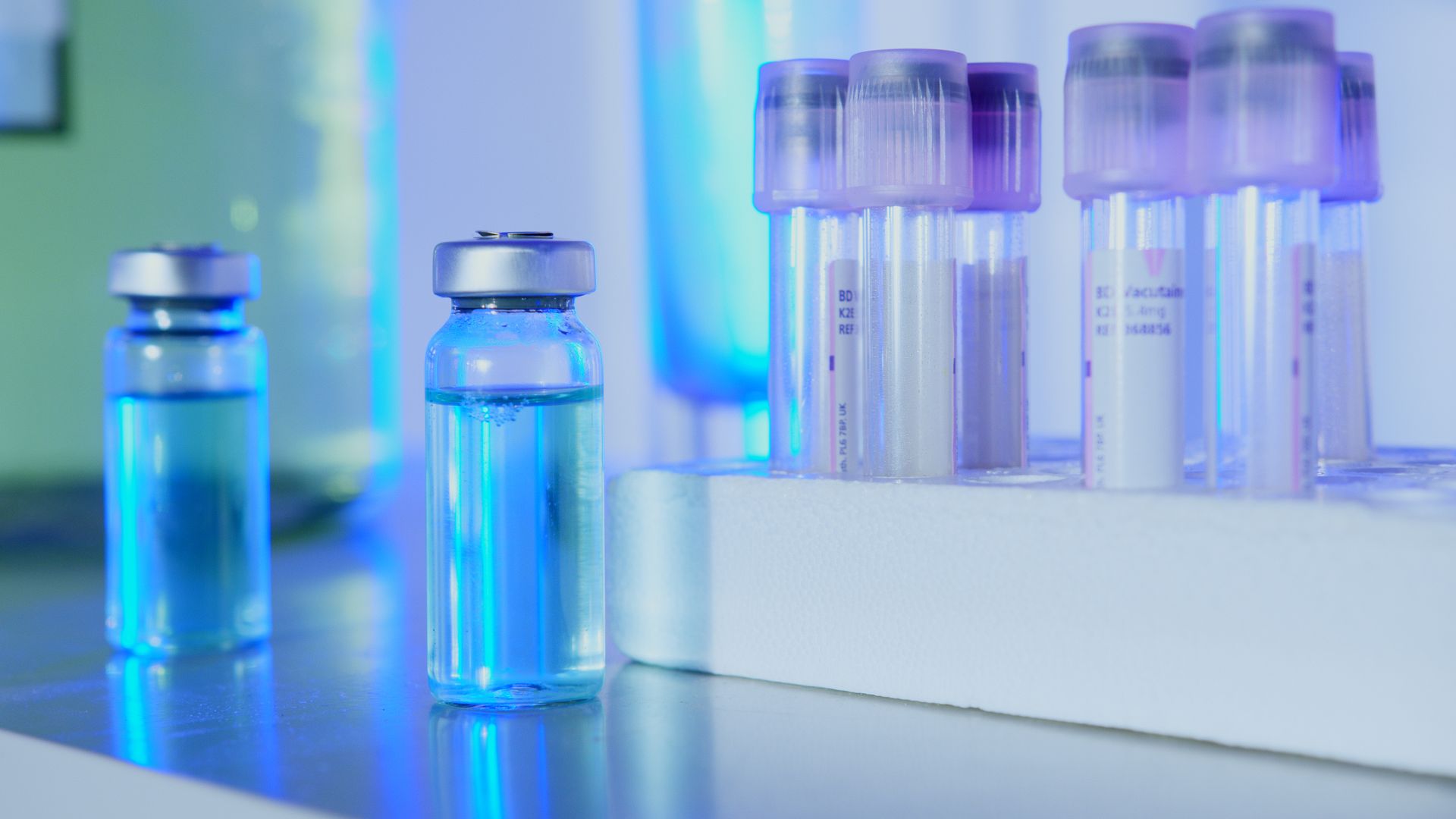
What's next for mRNA medicine: a Moderna co-founder on cancer vaccines and beyond
In an interview with STAT News, Moderna co-founder Kenneth Chien laid out his view of where mRNA technology goes next, from cancer vaccines to regenerative medicine. His comments offer a window into the science behind one of the most discussed platforms in medicine.