Upper-body strength and heart attacks: what a new analysis suggests
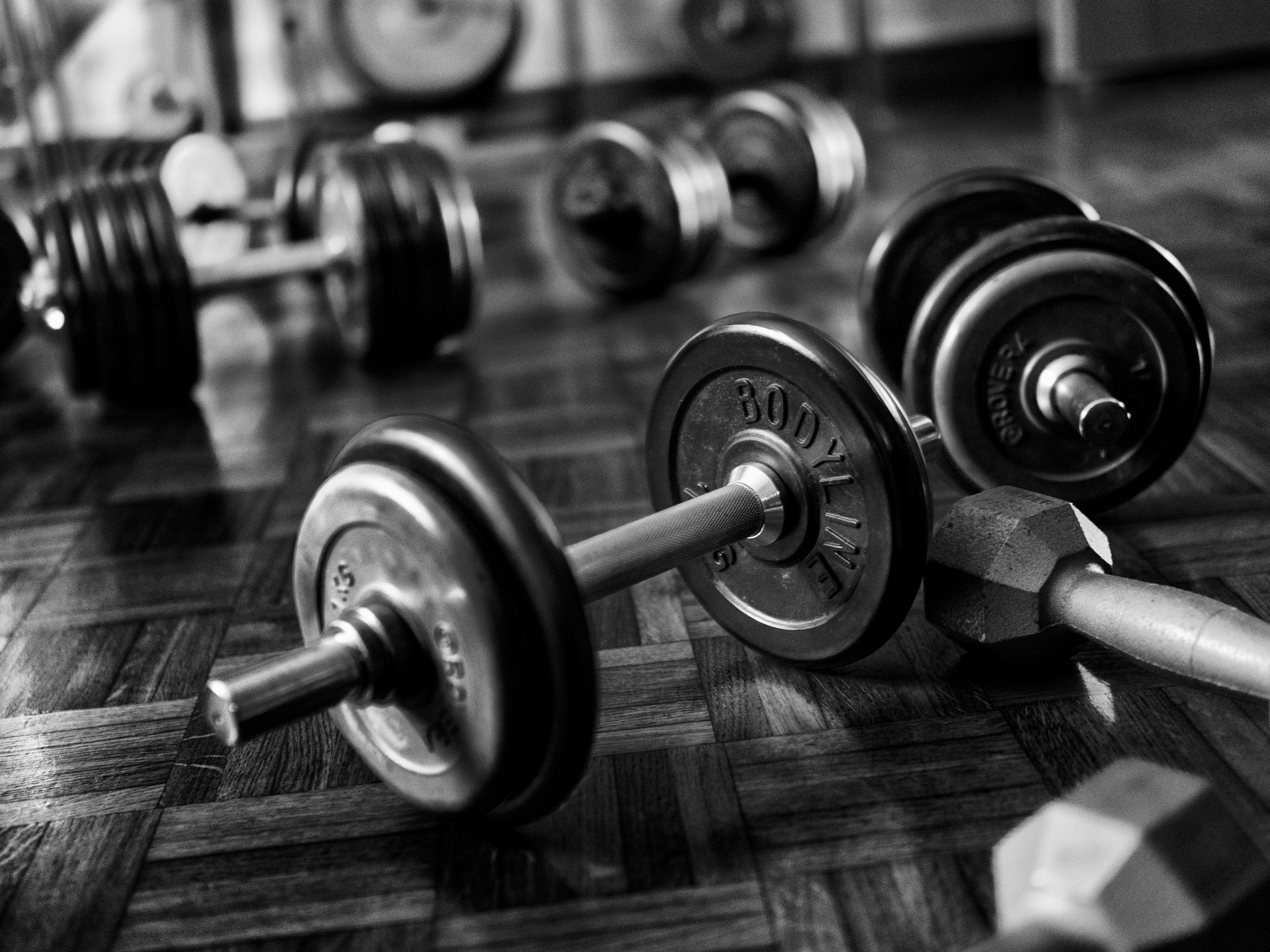
Cardiovascular medicine has long focused on the heart itself and on the numbers that surround it: blood pressure, cholesterol, resting pulse. A new analysis reported by the Guardian shifts some attention to the muscles that move the upper body, suggesting that people with stronger chest and back muscles are less likely to suffer a heart attack. The finding adds to a picture in which physical strength is not just about appearance or athletic performance but is bound up with the health of the heart.
The analysis drew on data linking measures of muscular strength with later cardiovascular events. According to the reporting, those in the stronger group showed a lower incidence of heart attacks than those with weaker upper-body muscles. Rather than looking only at grip strength, a common shorthand in this kind of research, the work highlighted the large muscle groups of the chest and back, which do much of the work in pushing and pulling movements.
Researchers are careful about what the numbers can and cannot show. An association between strength and fewer heart attacks does not establish that building muscle directly protects the heart. Stronger people may differ in many ways from weaker ones: they may exercise more overall, eat differently, smoke less or carry less harmful body fat, and any of those factors could drive part of the effect. Untangling cause from correlation is the central challenge of studies like this.
Even so, there are plausible biological reasons why muscle and cardiovascular health might travel together. Skeletal muscle is metabolically active tissue that helps regulate blood sugar and influences how the body handles fats and inflammation, all of which feed into heart-disease risk. Regular resistance training also tends to improve blood-pressure control and body composition, meaning strength can be both a marker of a healthier system and a contributor to one.
The emphasis on upper-body muscles is notable because much public-health messaging around exercise concentrates on aerobic activity, the brisk walking, cycling and running that raise the heart rate. Strength or resistance training has often been treated as secondary, more the domain of gyms than of cardiologists. Findings like this one support a growing view that muscular fitness deserves a place alongside cardiovascular fitness in advice about protecting the heart.
Major health bodies already recommend that adults do muscle-strengthening activity on at least two days a week, in addition to regular aerobic exercise. That guidance predates any single study, but analyses connecting strength to lower heart-attack rates give it added weight. The activities need not involve a gym: bodyweight exercises, resistance bands and everyday tasks such as carrying and lifting can all build and maintain muscle.
Strength also tends to matter more with age. Muscle mass naturally declines from midlife onwards, a process known as sarcopenia, and lower strength in older adults is linked to frailty, falls and worse outcomes from illness. If robust chest and back muscles track with lower cardiovascular risk, that is another argument for maintaining strength into later life rather than allowing it to erode unchecked.
The researchers and reporting stop short of prescribing a specific programme, and readers should be wary of treating any single measure as a guarantee. A strong upper body does not cancel out smoking, high blood pressure, uncontrolled diabetes or a family history of heart disease. It is best understood as one component of overall cardiovascular health, working alongside the established pillars of not smoking, a balanced diet, healthy blood pressure and regular activity.
There is also a motivational angle. Many people find aerobic exercise a chore, and framing strength work solely around aesthetics can feel shallow or off-putting. Evidence that building muscle may help protect against one of the world's leading causes of death offers a different, health-centred reason to pick up weights or do resistance exercises, potentially reaching people who are not drawn to running or the gym treadmill.
The sensible conclusion is neither to dismiss the finding nor to overstate it. The analysis strengthens the case that muscular strength is intertwined with heart health and reinforces existing advice to include resistance training in a weekly routine. It does not turn a bench press into a substitute for medical care, but it does add another practical reason to keep the muscles of the chest and back in good working order.
Read next

More than a million children referred for mental health care, with anxiety the top reason
More than one million children in England were referred for mental health care in a single year, with anxiety the most common reason, according to figures reported by the BBC. The numbers point to rising demand and long-standing pressure on children's mental health services.

Marburg virus outbreak reported in Uganda as region also fights Ebola
Health authorities have reported an outbreak of Marburg virus in Uganda, in an area already responding to Ebola, according to STAT News. Marburg is a severe haemorrhagic fever related to Ebola, and the overlap threatens to strain an already stretched public-health response.

Rising STIs in Europe: why drug resistance makes the surge a global concern
A rise in sexually transmitted infections across Europe is drawing warnings that go beyond the region, according to a Guardian analysis. Experts say the spread of drug-resistant bacteria threatens to make some infections harder to treat everywhere, tying the trend to the wider crisis of antimicrobial resistance.

Creatine and depression: what a new study says about the gym supplement's brain effects
Creatine, long a staple of gym supplement shelves, may help ease depressive symptoms, according to a new study reported by Science Daily. Researchers say the compound's role in brain energy metabolism could explain the effect, though they caution it is an add-on to established treatment, not a replacement.

What's next for mRNA medicine: a Moderna co-founder on cancer vaccines and beyond
In an interview with STAT News, Moderna co-founder Kenneth Chien laid out his view of where mRNA technology goes next, from cancer vaccines to regenerative medicine. His comments offer a window into the science behind one of the most discussed platforms in medicine.