Rapid endometriosis tests to reach the NHS, aiming to cut years off diagnosis
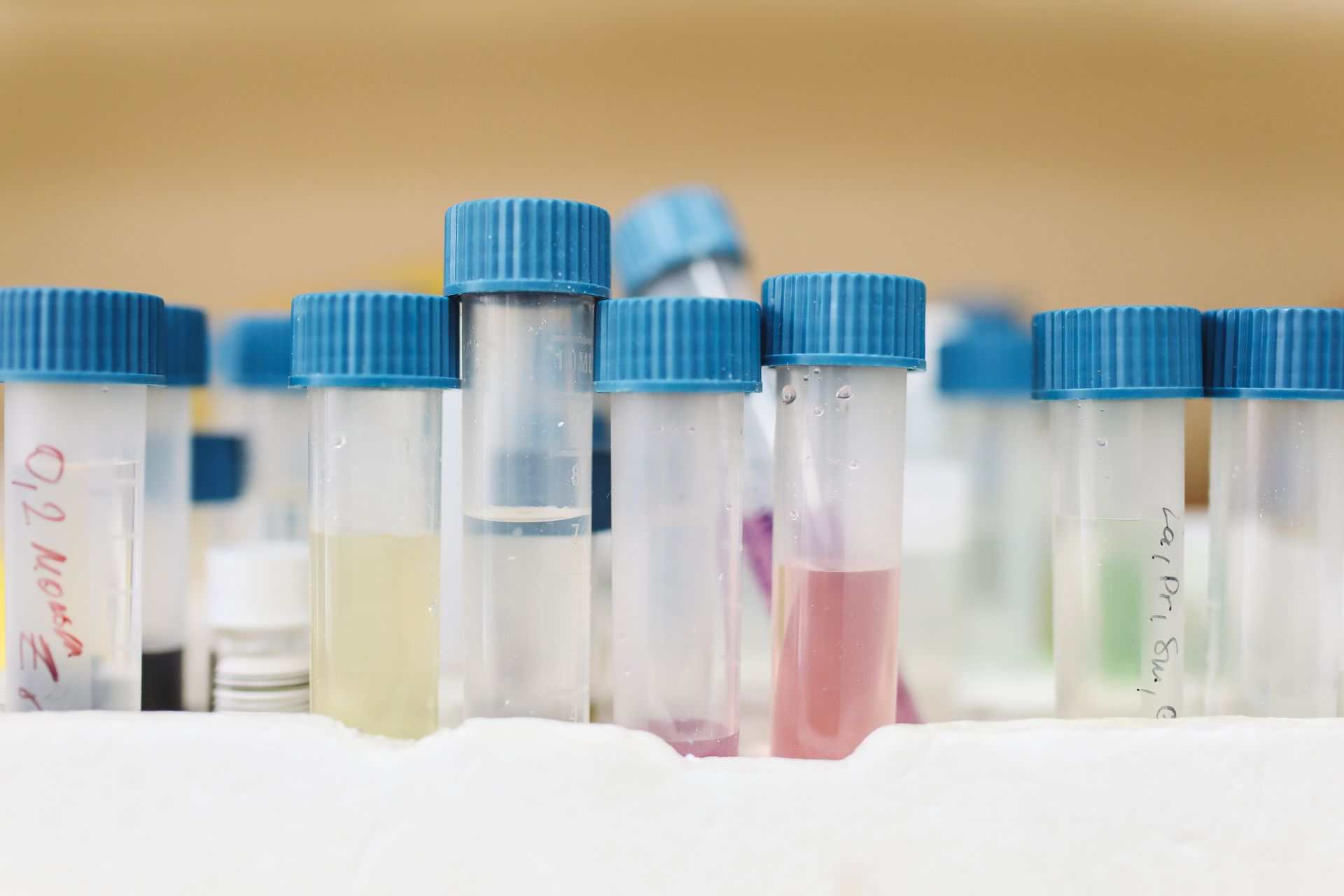
Two tests that can detect endometriosis far faster than existing methods are to be made available on the NHS in England and Wales, in a move specialists have described as a potential gamechanger for the millions of women affected by the condition. According to the Guardian, the saliva-based and gut-sensor tests aim to slash the notoriously long wait many patients endure before receiving a diagnosis.
Endometriosis, in which tissue similar to the lining of the womb grows elsewhere in the body, affects roughly one in ten women of reproductive age. It can cause severe pain, heavy bleeding, fatigue and, in some cases, fertility problems. Yet despite how common it is, the condition has long been difficult to identify, and many women describe years of dismissed symptoms before anyone names the cause.
Part of the problem is diagnostic. The definitive test has traditionally been laparoscopy, a keyhole surgical procedure performed under general anaesthetic to look for endometriosis tissue directly. Because surgery is invasive and resource-intensive, patients often face long waits, and milder cases can go undetected. Studies and patient groups have repeatedly documented average diagnosis times stretching to years.
The new tests promise a different path. A saliva-based test analyses biological markers to flag the likely presence of the condition without surgery, while a gut-sensor approach offers another non-invasive route to detection. If they perform as hoped in real-world use, such tools could allow doctors to identify endometriosis earlier and steer patients toward treatment far sooner.
Earlier diagnosis matters because it can change the course of care. When the condition is recognised sooner, patients can begin pain management, hormonal treatment or other interventions before symptoms become debilitating, and they can make informed decisions about fertility. Delays, by contrast, can mean years of untreated pain and, for some, worsening disease.
Specialists quoted in the coverage framed the rollout as significant precisely because endometriosis has been under-served for so long. Women's health conditions have historically received less research funding and attention than many other areas of medicine, a gap that campaigners and clinicians have pushed hard to close. Making faster tests available through the public health system is, in that light, both a clinical and a symbolic step.
Still, experts urged realism about what a new test can and cannot do. A screening or triage tool that flags likely cases is not the same as a perfect diagnostic, and how the tests are used in practice, who is offered them, how results are interpreted and what follow-up looks like, will determine much of their real-world value. Non-invasive tests can also produce false results, and clinicians will need clear guidance on next steps.
The practical impact will also depend on capacity. A faster route to identifying endometriosis is only useful if the health system can then provide timely treatment. If more women are diagnosed but specialist services remain stretched, some of the benefit could be lost to waiting lists further down the line. Rollout details, including where and how quickly the tests become available, will shape the outcome.
For patients, though, the direction of travel is encouraging. After years in which endometriosis was frequently misunderstood, minimised or missed, the prospect of a quick, non-surgical test reaching the NHS represents a tangible change. Advocacy groups have long argued that the condition's toll, on health, work and quality of life, has been badly underestimated.
Whether the tests deliver on their promise will become clearer as they are deployed and studied in everyday clinical settings. But the ambition behind them, to turn a diagnosis that can take years into one that takes far less time, addresses one of the most persistent frustrations in women's health, and does so with tools designed to spare patients invasive surgery.
Read next
Fertility and age: why the womb lining may set a hidden ceiling, even with donor eggs
Age-related changes in the womb lining, not just in the eggs, may limit fertility later in life, experts say, which could explain why donor eggs do not fully overcome the effect of age. Researchers believe the changes might one day be treatable, but stress that much remains unknown.

Air pollution linked to epigenetic changes in sperm, study of 2,000 men finds
A study of more than 2,000 men has identified epigenetic changes in sperm linked to exposure to common outdoor air pollutants. According to the Guardian, the findings suggest pollution may leave molecular marks on reproductive cells, though the health consequences for offspring remain uncertain.
Vertex to buy Crinetics for $10 billion as biotech mergers accelerate
Vertex Pharmaceuticals has agreed to acquire Crinetics Pharmaceuticals for about $10 billion, gaining a drug for a rare endocrine disorder. According to STAT, the deal is among the largest of a busy year for biotech dealmaking, as large drugmakers spend to refill their pipelines.

Why do some brains resist Alzheimer's? What new research on brain resilience reveals
Some brains appear to fight Alzheimer's by helping newborn neurons survive damage rather than succumb to it. New research points to brain resilience as a distinct process from simply avoiding the disease's hallmark plaques, and suggests why two people with similar damage can face very different outcomes.

Deep sleep and growth hormone: how one brain circuit links rest, muscle and metabolism
Researchers have mapped the brain circuitry that links deep sleep with the release of growth hormone, showing how the two regulate each other. The finding helps explain why poor deep sleep is tied to weaker muscle, more body fat and slower recovery, and why the relationship runs in both directions.