Deep sleep and growth hormone: how one brain circuit links rest, muscle and metabolism
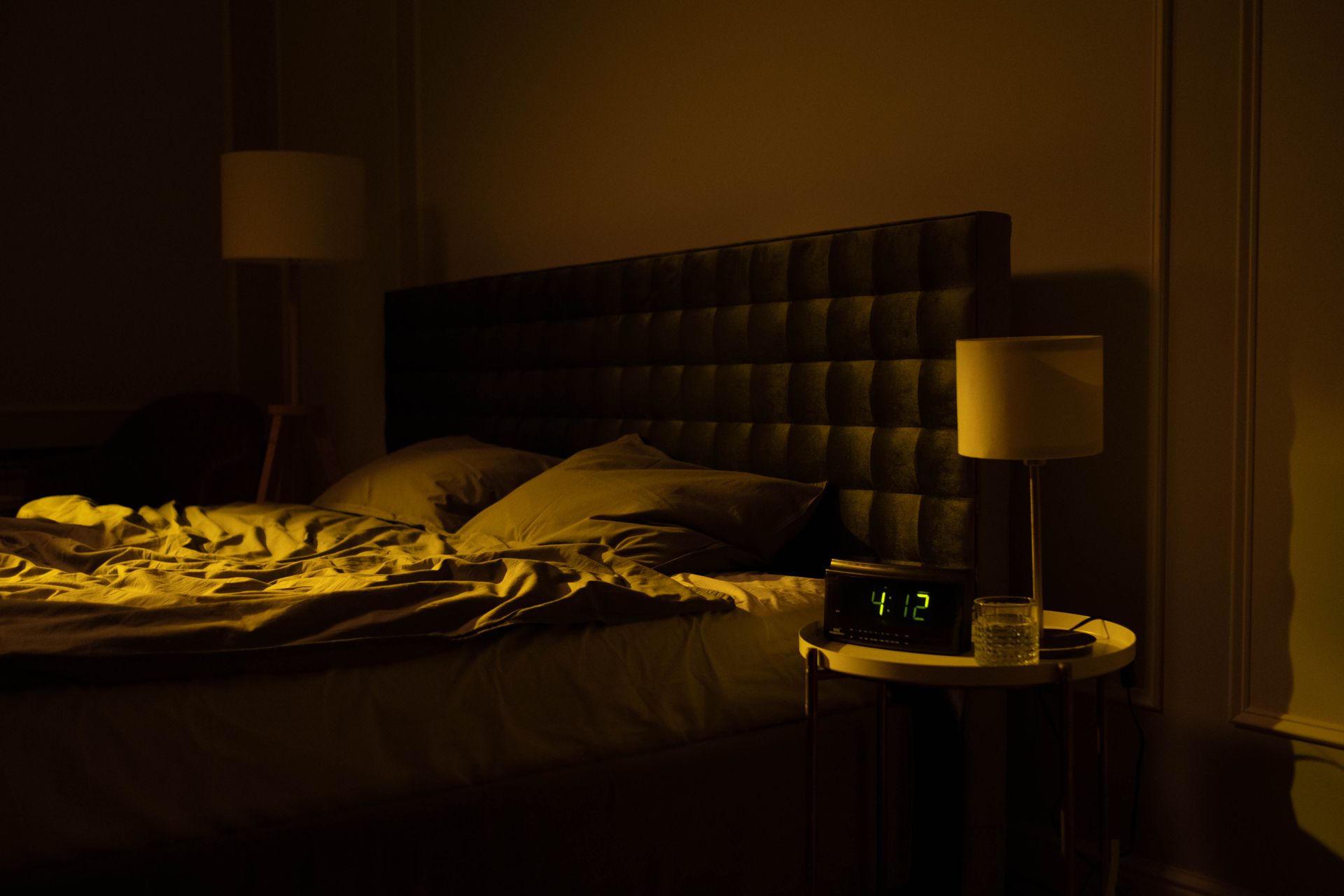
Most people know that a bad night's sleep leaves them groggy, but a growing body of research suggests the damage runs far deeper than mood. A new study has traced the specific brain circuitry that ties the deepest stage of sleep to the release of growth hormone, one of the body's most important signals for building muscle, burning fat and repairing tissue. The work offers a mechanistic answer to a question clinicians have circled for decades: why do people who sleep poorly so often struggle with body composition and recovery?
Growth hormone is released in pulses, and its single largest surge of the day arrives shortly after a person falls into slow-wave sleep, the deep, dreamless stage that dominates the first half of the night. Scientists have long observed this timing, but the underlying wiring that coordinated the two events remained unclear. The new research identifies the neural circuit that appears to link them, showing that the same brain activity driving deep sleep also helps trigger the hormonal surge.
Crucially, the researchers found the relationship is bidirectional. Deep sleep helps release growth hormone, but growth hormone signalling in turn appears to reinforce and stabilise deep sleep. That feedback loop means a disruption on either side can weaken the other: fragmented sleep blunts the hormonal pulse, and a blunted pulse may make sleep shallower and more broken. It is a self-reinforcing cycle that can tip in a healthy or unhealthy direction.
The implications reach well beyond athletic recovery. Growth hormone plays a role in regulating how the body stores fat and maintains lean tissue, so a chronic shortfall in deep sleep could nudge metabolism toward fat gain and muscle loss over time. That helps explain epidemiological patterns linking short or poor-quality sleep to higher rates of obesity and metabolic disease, associations that have been hard to pin to a single mechanism.
The study also speaks to ageing. Deep sleep declines markedly across the lifespan, and so does growth hormone secretion. Researchers have debated whether the two declines are independent or connected. By demonstrating a shared circuit, the new findings suggest they may be two faces of the same underlying change, which could reshape how scientists think about interventions aimed at healthy ageing.
For now, the practical takeaways are cautious but clear. Protecting deep sleep, the study implies, is not merely about feeling rested; it may be about preserving a hormonal engine that supports the whole body. Habits that are known to increase slow-wave sleep, including consistent sleep and wake times, a cool dark bedroom, limiting alcohol and avoiding late heavy meals, remain the most evidence-backed levers available to most people.
Alcohol is a particular culprit. Although a drink can help people fall asleep faster, it suppresses slow-wave sleep later in the night, precisely when the growth hormone surge should be building. The new circuit-level picture gives a physiological reason why a nightcap can leave someone feeling unrecovered even after a full night in bed.
The researchers are careful to note that their work maps a mechanism rather than prescribing a treatment. It does not show that boosting deep sleep will reverse metabolic disease, nor does it endorse growth hormone supplementation, which carries significant risks and is tightly regulated. Instead, it identifies a biological target that future studies can probe more precisely.
That precision matters because sleep science has often been long on correlation and short on causation. Establishing an actual circuit, and showing it runs in both directions, moves the field from observing that sleep and hormones travel together to explaining how. It gives drug developers and sleep specialists a concrete piece of biology to aim at.
The broader message aligns with a decade of accumulating evidence: sleep is not downtime but active maintenance. The hours of deep sleep in the first part of the night appear to do heavy metabolic lifting, orchestrated by circuits only now coming into view. Understanding that machinery, the authors argue, is a necessary step before anyone can safely tune it.
Read next

Fertility and age: why the womb lining may set a hidden ceiling, even with donor eggs
Age-related changes in the womb lining, not just in the eggs, may limit fertility later in life, experts say, which could explain why donor eggs do not fully overcome the effect of age. Researchers believe the changes might one day be treatable, but stress that much remains unknown.

Air pollution linked to epigenetic changes in sperm, study of 2,000 men finds
A study of more than 2,000 men has identified epigenetic changes in sperm linked to exposure to common outdoor air pollutants. According to the Guardian, the findings suggest pollution may leave molecular marks on reproductive cells, though the health consequences for offspring remain uncertain.
Rapid endometriosis tests to reach the NHS, aiming to cut years off diagnosis
Saliva and gut-sensor tests for endometriosis will be made available on the NHS in England and Wales, in what specialists call a potential gamechanger for millions of women who often wait years for a diagnosis. The tests aim to detect the condition far faster than current methods.
Vertex to buy Crinetics for $10 billion as biotech mergers accelerate
Vertex Pharmaceuticals has agreed to acquire Crinetics Pharmaceuticals for about $10 billion, gaining a drug for a rare endocrine disorder. According to STAT, the deal is among the largest of a busy year for biotech dealmaking, as large drugmakers spend to refill their pipelines.

Why do some brains resist Alzheimer's? What new research on brain resilience reveals
Some brains appear to fight Alzheimer's by helping newborn neurons survive damage rather than succumb to it. New research points to brain resilience as a distinct process from simply avoiding the disease's hallmark plaques, and suggests why two people with similar damage can face very different outcomes.