Deaths in France rose 30% during the hottest week of a record June heatwave
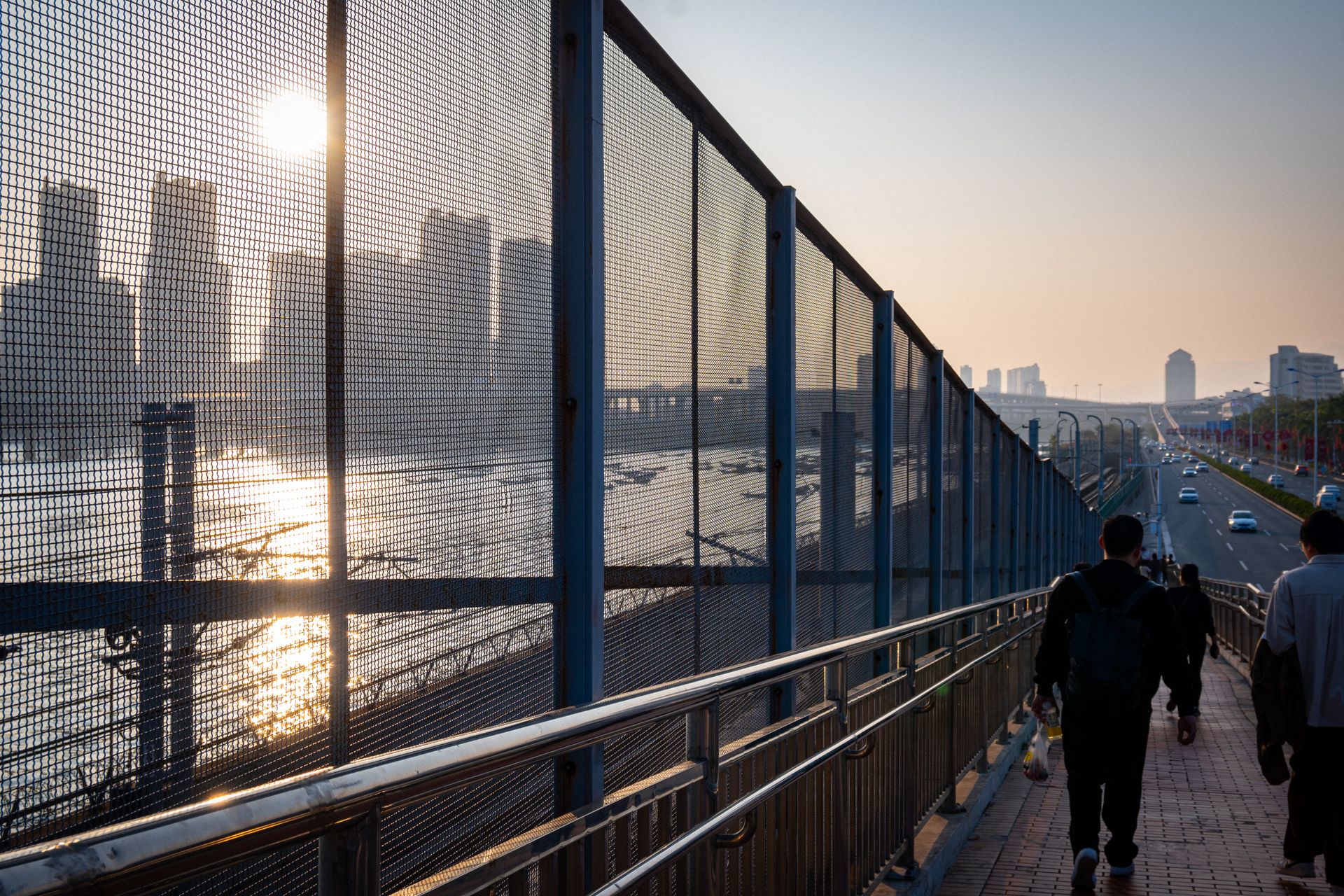
Deaths in France rose by about 30% during the hottest week of a record June heatwave, according to figures reported by the Guardian, a stark reminder that extreme heat is among the deadliest and most underestimated weather events. The rise in mortality coincided with a period of exceptional temperatures that broke records across the country and strained health services already braced for a difficult summer.
Heat kills in ways that are often invisible in the immediate moment. Unlike storms or floods, which leave visible destruction, a heatwave's toll is measured statistically, in the gap between the number of deaths recorded during the hot spell and the number that would normally be expected. That excess-mortality approach is how epidemiologists capture the true scale of an event that rarely lists heat as a single, dramatic cause.
The people most at risk are well established from decades of research. Older adults, those with heart or respiratory conditions, people with chronic illnesses, and those who are socially isolated face the greatest danger. Infants and outdoor workers are also vulnerable. Extreme heat strains the cardiovascular system as the body works to cool itself, and it can worsen existing conditions, dehydrate the vulnerable and disrupt sleep in ways that compound over consecutive hot days.
France has particular reason to take heat seriously. A catastrophic heatwave in 2003 caused tens of thousands of deaths across Europe, with France among the hardest hit, and it prompted the country to build early-warning systems, heat-health action plans and networks to check on vulnerable residents. The current figures indicate that even with such measures in place, a sufficiently severe and prolonged heatwave still produces a substantial rise in deaths.
The timing matters too. This heatwave came in June, earlier in the season than the traditional peak of summer heat. Early-season heat can be especially dangerous because people and infrastructure are less acclimatised, and because the body adapts to heat gradually over weeks. A sudden, intense spell before that adjustment has occurred can catch populations less prepared.
Public-health authorities generally respond with a familiar set of interventions: warnings to stay hydrated, avoid strenuous activity during the hottest hours, keep homes cool, and check on elderly or isolated neighbours. Cooling centres, adjusted working hours and hospital preparedness form part of the response. The effectiveness of these measures depends heavily on whether they reach the most vulnerable, who are often the least able to adapt on their own.
The broader context is that heatwaves are becoming more frequent, more intense and longer, a trend scientists attribute to a warming climate. What was once an exceptional event is increasingly a recurring feature of European summers, which raises the stakes for adaptation. Health systems, cities and individuals face the task of preparing for heat as a regular hazard rather than a rare emergency.
Urban design plays a growing role in that preparation. Cities tend to be hotter than surrounding areas because concrete and asphalt absorb and retain heat, an effect that can make nights dangerously warm and deprive people of the recovery that cooler darkness normally provides. Measures such as increasing green space, planting trees and improving building insulation are increasingly discussed as long-term defences against heat mortality.
The French figures also illustrate a communication challenge. Because heat deaths are dispersed and statistical rather than concentrated and visible, the danger can be easy to dismiss in the moment. Conveying that a heatwave is a serious health emergency, not merely uncomfortable weather, is central to prompting the behaviour changes and precautions that save lives.
As the numbers show, the human cost of extreme heat is real and measurable even in a country with established defences. The 30% rise in deaths during the hottest week stands as evidence that heat remains a formidable public-health threat, and that adapting to a hotter climate will require sustained effort to protect those most exposed to its effects.
Read next
FDA clears a generative-AI clinical tool: is the LLM an interface or the decision-maker?
A US Food and Drug Administration clearance for a generative-AI tool used in diabetes care has revived a central question in medical AI: when a large language model helps guide treatment, is it merely presenting information or making the clinical decision? The distinction shapes how such tools are regulated and trusted.
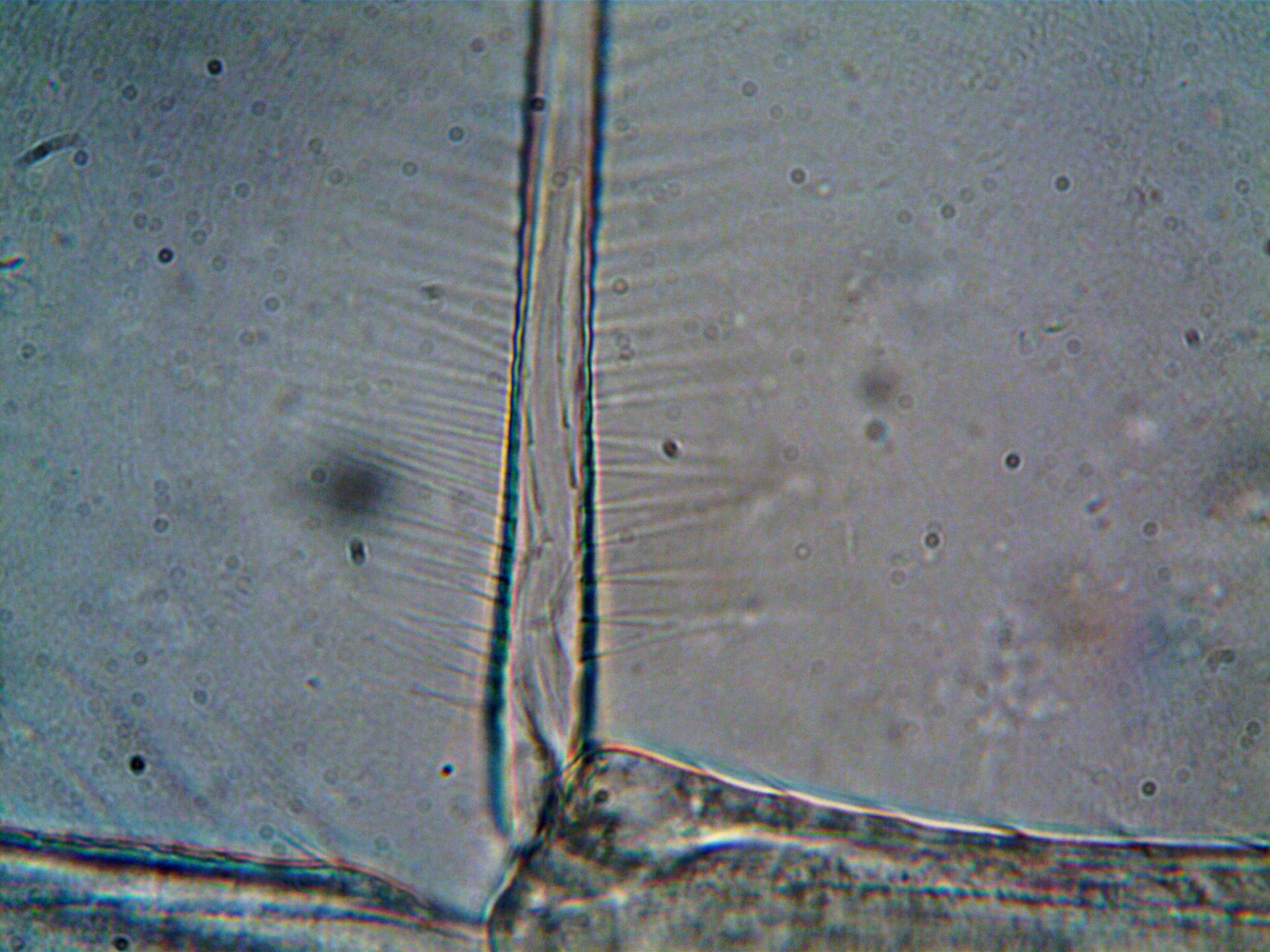
The protein switch that burns fat and blocks new fat cells, explained
Scientists have identified a protein that appears to act as a molecular switch, both burning stored fat and preventing the body from making new fat cells. The finding could point toward future treatments for obesity and metabolic disease, though it remains early-stage.
Spray-on powder that stops severe bleeding in one second: how it works
Researchers have developed a spray-on powder that they report can seal a life-threatening wound and stop severe bleeding in about one second. The material could offer a fast, simple way to control haemorrhage before a patient reaches hospital.

Resident doctors in England accept pay deal, ending strikes
Resident doctors in England have voted to accept a government pay offer, drawing a line under a long-running dispute that triggered repeated strikes. The deal ends months of disruption to NHS services and reshapes relations between the profession and ministers.

How to walk 30 minutes a day: practical tips to build the habit
Thirty minutes of walking a day is one of the most evidence-backed things you can do for your heart, mood and metabolism. Health experts and readers share the small, repeatable tricks that turn a daily walk into a habit that sticks.