Can traffic noise raise Parkinson's risk? What the biggest study yet found
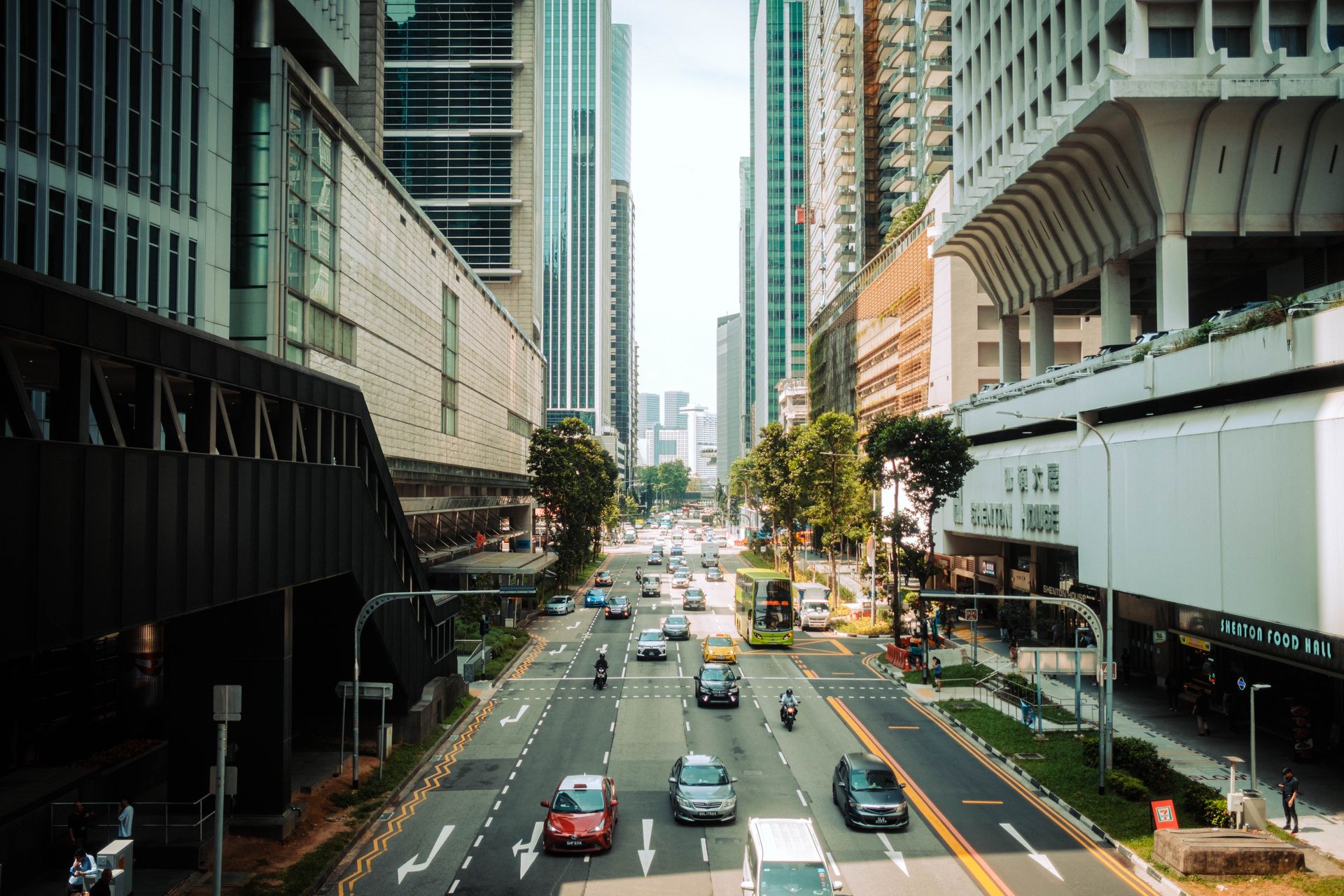
Researchers have long searched for a mix of genetic predisposition and environmental factors behind Parkinson's disease. Now one of the largest studies of its kind adds an unexpected name to that list of environmental factors: the traffic noise that has become an ordinary part of daily life.
The research examined the relationship between long-term exposure to road traffic noise and the risk of a Parkinson's diagnosis, finding that every 11.5-decibel rise in noise levels was associated with roughly a 3% increase in risk. On its own that figure looks modest, but multiplied across the millions of people who live for years along busy, noisy streets, it can translate into a meaningful public-health effect.
Parkinson's disease is a progressive neurodegenerative disorder in which parts of the brain that control movement and balance become damaged over time. It presents through symptoms such as tremor, muscle stiffness, slowed movement and loss of balance, and its precise cause has never been fully established.
Researchers believe noise likely affects the brain indirectly rather than causing direct physical damage — by triggering a chronic stress response. Sustained exposure to noise can disrupt sleep quality, raise levels of the stress hormone cortisol, and place strain on the cardiovascular system over time, all of which have known links to neurodegenerative processes.
This isn't the first study to link traffic noise to health problems: earlier research has connected noise pollution to high blood pressure, heart disease and sleep disorders. The new finding adds a neurological dimension to that list, reinforcing the idea that noise is not just an annoyance but a potentially harmful environmental factor.
The study's authors are careful to note that the finding shows association, not causation — noise has not been proven to directly cause Parkinson's disease. But the size of the sample and the scope of the study significantly reduce the odds that the link is coincidental.
Experts say findings like this also serve as a signal to urban planners. Measures such as sound-insulated building facades, traffic-calming measures and green buffer zones don't just reduce noise pollution — they may also ease long-term health risks.
At an individual level, experts recommend that people exposed to heavy traffic use sound-insulated windows, move bedrooms away from street-facing walls where possible, and spend regular time in quiet environments. These steps offer no guaranteed protection, but reducing chronic noise exposure can support overall wellbeing.
Researchers say further studies are needed to confirm the findings and clarify the underlying biological mechanism. In the meantime, they argue that noise pollution is often treated as a secondary concern in public-health policy, when this new evidence suggests it deserves higher priority.
Ultimately, traffic noise alone should not be seen as a cause of Parkinson's disease. But the findings suggest that the long-term impact of urban noise on nervous-system health deserves to be taken far more seriously.
Read next

US health officials probe new Cyclospora outbreak after 72 cases
Federal health officials are investigating a new outbreak involving the diarrhea-causing parasite Cyclospora, with the FDA citing 72 new cases in what is the second such outbreak reported this year. The parasite typically spreads through contaminated fresh produce.

Coffee vs energy drinks: which one is actually safer for your heart
A new American Heart Association review finds that up to 400 milligrams of caffeine a day — roughly three to five cups of regular black coffee — is generally safe for most adults and may even lower the risk of heart disease. But the source matters: concentrated energy drinks can sharply raise blood pressure and trigger irregular heart rhythms.

Antibiotic resistance: how scientists revived a powerful drug that superbugs had defeated
Vancomycin, once one of medicine's most reliable last-resort antibiotics, had been losing its power against drug-resistant bacteria. By pairing it with a small molecule that blocks a resistance-linked enzyme, researchers restored its ability to kill drug-resistant E. faecium, pointing to a new strategy against antimicrobial resistance.

7 colorectal cancer warning signs younger adults should never ignore
Colorectal cancer is now the leading cause of cancer death among people under 50, and cases in younger adults are rising. These are the warning signs doctors say should never be brushed off, even though most have far more common, harmless explanations.

Why former CDC officials say the US is less prepared for disease outbreaks
As measles, hantavirus, cyclospora and other outbreaks spread across the US this year, former officials at the Centers for Disease Control and Prevention say staffing and funding cuts have widened gaps in the country's ability to detect and respond to infectious disease.