Why former CDC officials say the US is less prepared for disease outbreaks
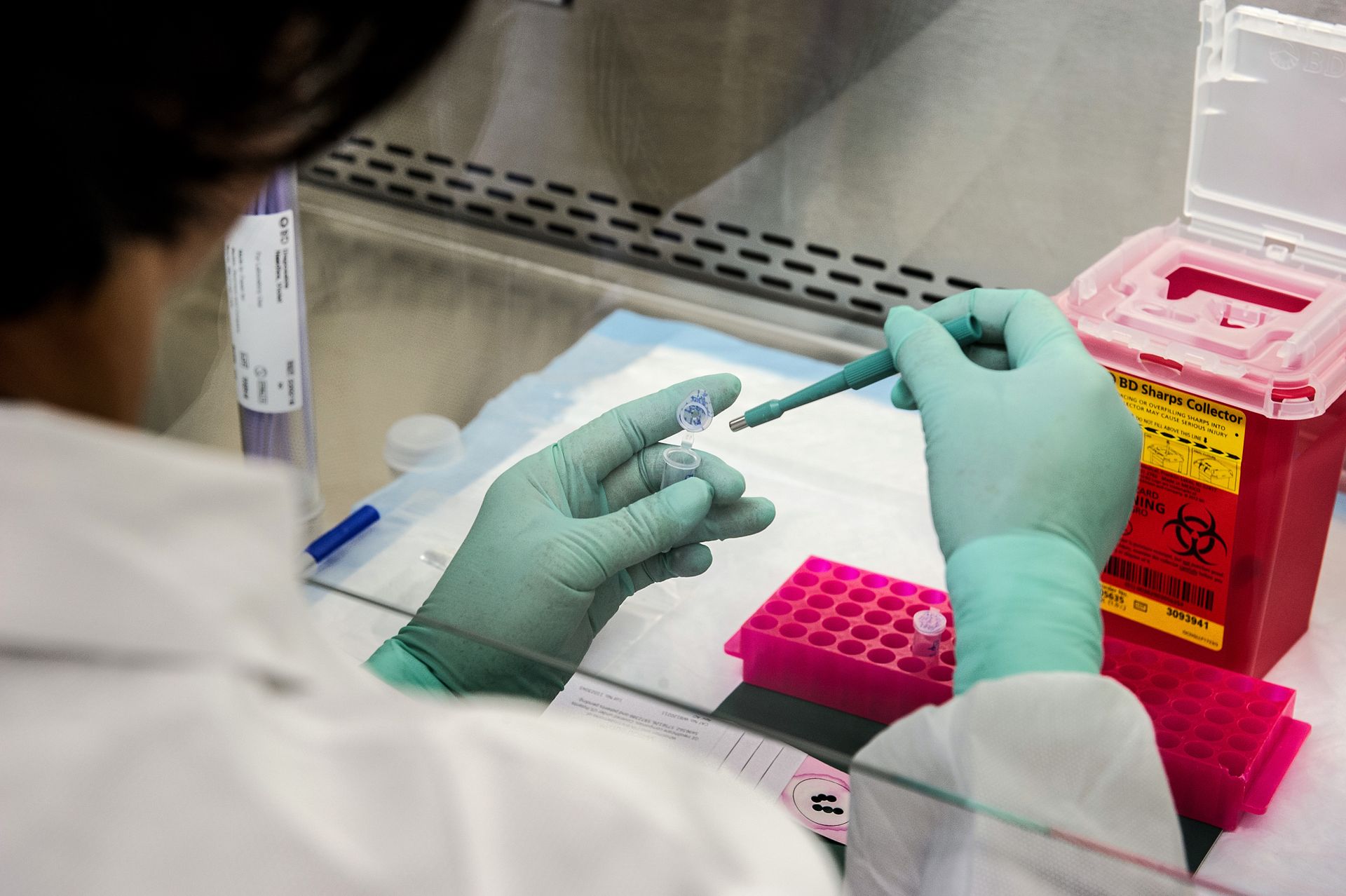
The United States is currently tracking a wider than usual spread of several infectious diseases at once: measles outbreaks in multiple states, cases of hantavirus, a rise in cyclospora infections linked to produce, ongoing whooping cough clusters, sporadic bird flu detections in animals, and screwworm cases prompting agricultural concern near the southern border. No single one of these represents a national emergency on its own. Taken together, former officials at the Centers for Disease Control and Prevention say they illustrate a public health system with less capacity to catch problems early than it had before.
The CDC has historically functioned as the country's central nervous system for infectious disease, running national surveillance networks, coordinating with state and local health departments, and deploying rapid-response teams when outbreaks are detected. Former officials interviewed about the current situation describe a system that depends heavily on staffing levels and expertise that has, in their account, been reduced over the past period through budget and workforce changes at multiple levels of the public health apparatus.
Cyclospora, a parasite typically spread through contaminated produce, is one of the diseases former officials point to as a test case for how detection gaps play out in practice. Identifying and tracing the source of a cyclospora outbreak requires laboratory capacity and epidemiological staff working in close coordination across state lines, since contaminated produce is often shipped nationally before an outbreak becomes apparent. Reduced staffing at any point in that chain can delay the detection of a pattern that would otherwise be caught quickly.
Measles offers a different kind of warning sign. The disease was declared eliminated from the United States in 2000, meaning sustained domestic transmission had stopped, though cases still arrive periodically through international travel. Outbreaks depend heavily on vaccination coverage remaining above a high threshold in local communities; when coverage drops in specific areas, even a small number of imported cases can spread further and faster than it would have in a fully vaccinated population.
Hantavirus, spread primarily through contact with rodent droppings, and screwworm, a parasitic fly whose larvae infest livestock and, in rare cases, humans, represent different categories of surveillance challenge. Both require specialized laboratory testing and close coordination between human and animal health agencies to catch early, since their initial signs can be mistaken for more common illnesses without the right diagnostic tools readily available.
Former officials describe the cumulative effect of the current period as leaving the country, in their assessment, in a weaker position than it was before the Covid-19 pandemic began. That comparison is notable because the pandemic itself prompted several years of expanded federal investment in public health infrastructure, including expanded laboratory networks and disease surveillance systems, some of which former officials say have since been scaled back.
Public health experts distinguish between the visibility of an outbreak and the underlying capacity to respond to it. A well-resourced system can often contain an outbreak before it becomes a headline story, meaning gaps in capacity are more likely to show up as slower, less visible failures, such as a delayed traceback investigation or an undercounted case cluster, rather than as a single dramatic event.
State and local health departments, which carry out much of the on-the-ground surveillance and response work, rely on federal funding, technical guidance, and laboratory support that flows through the CDC. Reductions at the federal level are described by former officials as having downstream effects at those levels too, since many state health departments do not have the resources to fully replace federal support with their own funding.
The debate over the appropriate scale of public health infrastructure funding predates the current outbreaks and reflects a longstanding tension in how governments budget for prevention. Investments in disease surveillance capacity are, by design, most valuable when nothing visibly goes wrong; the return on that spending is measured in outbreaks that never happen, which makes it a perennially difficult case to make in budget negotiations compared with spending with more immediate, visible results.
Whether the current cluster of outbreaks proves to be a temporary rough patch or a preview of a less capable public health system over the longer term will likely depend on decisions made in the coming budget cycles. For now, former CDC officials say the pattern across measles, hantavirus, cyclospora and the other diseases currently under watch offers a real-time test of how much capacity has actually been lost, and how quickly it can be rebuilt if needed.
Read next

Antibiotic resistance: how scientists revived a powerful drug that superbugs had defeated
Vancomycin, once one of medicine's most reliable last-resort antibiotics, had been losing its power against drug-resistant bacteria. By pairing it with a small molecule that blocks a resistance-linked enzyme, researchers restored its ability to kill drug-resistant E. faecium, pointing to a new strategy against antimicrobial resistance.
7 colorectal cancer warning signs younger adults should never ignore
Colorectal cancer is now the leading cause of cancer death among people under 50, and cases in younger adults are rising. These are the warning signs doctors say should never be brushed off, even though most have far more common, harmless explanations.

Defibrillator deserts: why millions in England and Wales live too far from a life-saving device
New research from the Heart Restart campaign finds more than 16 million people in England and Wales live more than a 1km round trip from a 24/7 accessible defibrillator, raising their risk of dying from a cardiac arrest. Here is why proximity to a defibrillator matters so much, and why so many communities still lack one.

What is a 'world model', and why some AI researchers see it as an alternative to LLMs
As large language models dominate the AI conversation, some researchers argue a different approach, called a world model, may be better suited to tasks like medical scribing. Nabla's Alex LeBrun explains the concept and why it is drawing renewed attention.

Fampridine: the MS drug now on the NHS and how it helps patients walk
England's NHS has approved fampridine, a drug that improves nerve signalling and helps people with multiple sclerosis walk more easily, for up to 5,000 eligible patients. Here is how the decades-old drug works and why it took so long to reach the NHS.