Testosterone: why men's average levels have halved in 50 years, and what the science says
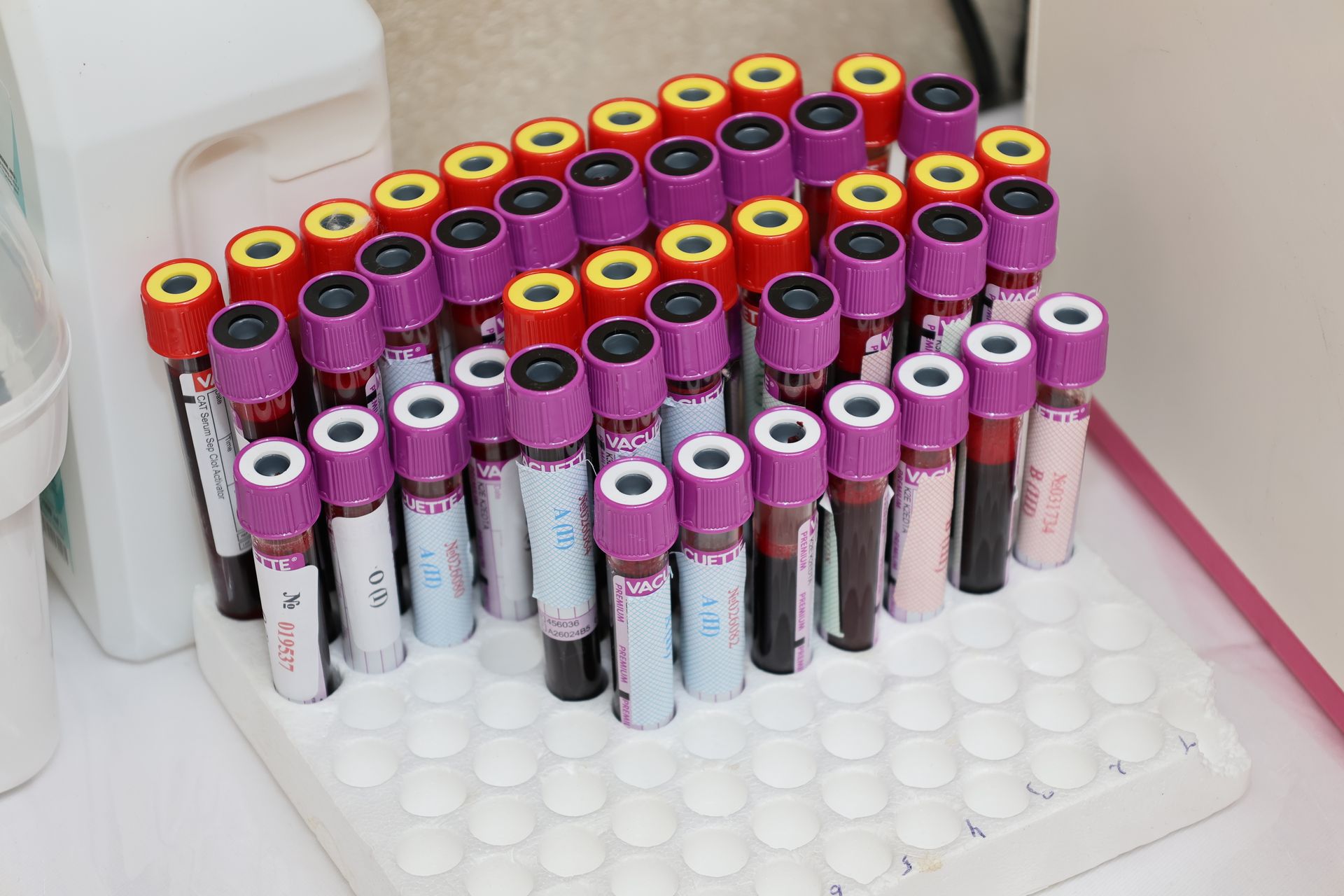
For decades, doctors treated testosterone as a hormone that mattered mainly at the extremes: too little in older men, too much in athletes who doped. A new analysis presented at the annual meeting of the European Society of Human Reproduction and Embryology (ESHRE) in London suggests the middle of the curve has been quietly shifting for the whole population. Researchers reported that total testosterone in men fell by 54% between 1972 and 2019.
That figure is striking because it describes average men, not clinical outliers. The scientists behind the review said the trend points to what they called a "major crisis in male reproductive health", driven in part by rising rates of obesity and type 2 diabetes. The findings were presented as a research summary rather than a peer-reviewed paper, a distinction that matters when interpreting the size of the drop.
Testosterone is produced mainly in the testes and regulated by the brain through the pituitary gland. It governs sperm production, muscle and bone mass, red blood cell formation, libido and mood. Levels naturally decline with age, typically by around 1% a year after the late 30s, which is why a population-wide fall on top of that ageing curve caught researchers' attention.
So what could be driving it? Obesity is the clearest candidate. Fat tissue contains an enzyme called aromatase that converts testosterone into oestrogen, so heavier bodies tend to register lower testosterone. Type 2 diabetes and metabolic syndrome are independently associated with reduced levels. As both conditions have become more common across high-income countries since the 1970s, they plausibly account for part of the decline.
But biology is only one thread. Measurement methods have changed over half a century, and comparing assays run in the 1970s with modern laboratory techniques introduces uncertainty. Different studies also sample different populations, ages and times of day, all of which affect readings. Testosterone is naturally higher in the morning, so even the hour of a blood draw can move a result. Reviews that pool many datasets have to correct for these differences, and not everyone agrees on how.
Environmental exposures are another area of active study. Researchers have long examined so-called endocrine-disrupting chemicals, including certain plasticisers and industrial compounds, for possible effects on hormone systems. The evidence here is mixed and often drawn from animal work, so scientists tend to describe it as a hypothesis worth investigating rather than a settled cause.
The practical question for most men is what a lower average means for them individually. The answer is: usually very little on its own. A single number sits within a wide healthy range, and symptoms matter more than a lab value. Clinicians generally diagnose low testosterone, or hypogonadism, only when consistently low readings are paired with symptoms such as persistent fatigue, low libido, loss of muscle or erectile difficulty.
Fertility is the sharper concern the researchers raised. Testosterone and sperm production are linked, and separate long-running studies have reported declines in sperm counts across some regions, though that literature is itself debated. The London analysis frames falling testosterone as one part of a broader pattern in male reproductive health rather than a standalone alarm.
There is a note of caution about treatment, too. Testosterone replacement therapy has grown into a large market, marketed heavily online, but medical bodies stress it is a treatment for diagnosed deficiency, not a lifestyle supplement. It carries potential risks, and prescribing it to men with normal levels can suppress the body's own production and impair fertility, the opposite of what someone worried about this data might want.
The reassuring part of the story is how much of the trend appears modifiable. Weight loss, exercise, better sleep and treating conditions such as diabetes can all raise testosterone naturally. If obesity and metabolic disease are indeed major drivers, then the same public-health measures aimed at those problems may also slow the hormonal decline, making this as much a story about lifestyle and metabolism as about reproduction.
Read next

Social care in England: public to be asked who should pay, as major review begins
The public will be asked who should pay for adult social care as part of a major government review in England, led by Baroness Louise Casey, who has called the current system "impossible". Here is what the review covers and why funding care has defied a fix for decades.

Compass reports its psilocybin depression drug shows long-lasting benefits
Compass Pathways says its experimental depression treatment produced benefits that lasted, a closely watched result for the field of psychedelic medicine. Here is what the company reported, why durability is the key question, and what remains unproven.

Drinking to cope with stress: how early alcohol use may rewire the brain, explained
A new study finds that using alcohol to cope with stress at a young age may permanently alter the brain, making it harder to adapt and raising the risk of relapse. Researchers also reported signs of brain damage linked to early dementia. Here is what the findings mean.

Can AI be trusted for skincare advice? What dermatologists say about chatbot diagnoses
People increasingly send selfies to AI chatbots for skincare analysis and rash diagnoses, but dermatologists warn there are more than 3,000 skin conditions and the tools can be unreliable. Here is what AI skin advice can and cannot safely do.
ApoB vs LDL: why millions may be getting the wrong cholesterol test, explained
A new study argues that apoB, a blood test that counts harmful cholesterol particles, predicts heart attacks and strokes better than the standard LDL cholesterol number, and remains cost-effective. Here is how the two tests differ and why it matters for who gets treated.