Weight-loss drugs can cut breast cancer risk by up to 30 percent, studies suggest
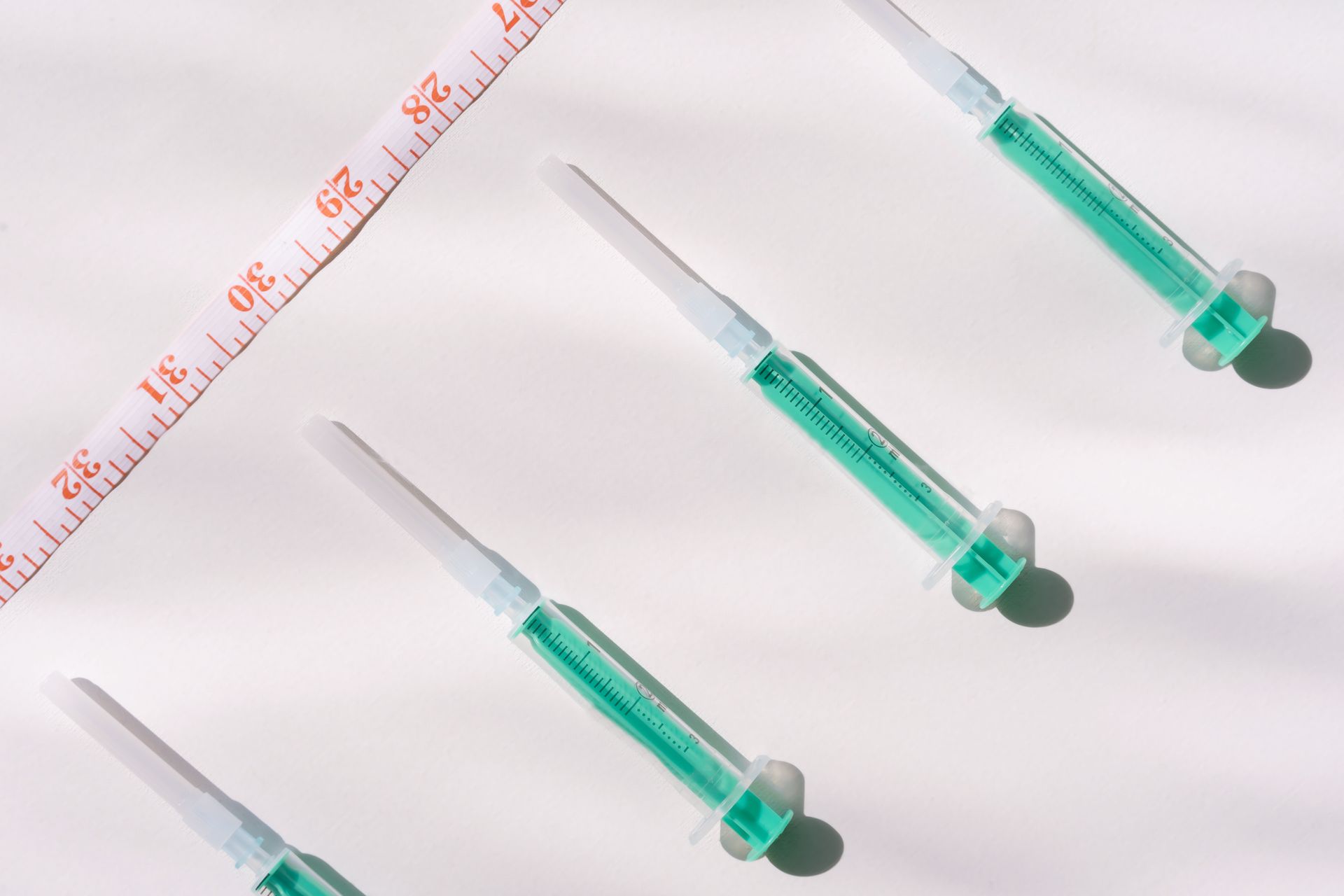
Three studies presented at the ASCO 2026 oncology conference in Chicago suggest that GLP-1 class drugs, used by millions of people for weight loss, may significantly reduce the risk of breast cancer. According to Guardian health correspondent Ian Sample, in three separate cohort studies, breast cancer incidence in obese women using semaglutide and tirzepatide was 28 to 30 percent lower.
The first study involved data on 1.4 million women drawn from US Veterans Affairs medical records. The study's lead author, Dr Pradeep Natarajan of Yale School of Medicine, told the Guardian that 'GLP-1 class drugs have been used for diabetes and obesity for years, but the potential in cancer prevention is only beginning to be discovered.' Natarajan added that the studies are 'observational' and do not establish causality.
The second study was led by Dr Kavitha Subramanyam at MD Anderson Cancer Center and covered 224,000 patients. The study found that GLP-1 use reduced the recurrence risk of early-stage breast cancer by 18 percent. Subramanyam told the BBC that 'the results align with biological evidence on how GLP-1 agents modulate inflammatory pathways.'
The third study was carried out through Cleveland Clinic's electronic health record-based review. Covering 92,500 obese patients, this retrospective analysis found that GLP-1 drug use reduced breast cancer-specific mortality by 22 percent. Dr Halle Moore, head of oncology at Cleveland Clinic, commented that 'these three studies taken together represent a meaningful body of data that could shape clinical practice.'
The link between GLP-1 class drugs and cancer is not explained solely by the weight-loss effect. Yale Cancer Center researcher Dr Roy Herbst told the Guardian that 'GLP-1 receptors are important mediators in immune system and adipose tissue communication; therefore the effect of the drugs may not be only metabolic but may also include an immune-modulator dimension.' Herbst added that a randomised trial testing this hypothesis would begin in 2027.
Not all opinions are positive. Cancer Research UK senior clinician Dr Nisharnthi Duggan stressed that the studies are observational and that randomised controlled trials are required before GLP-1 use can be recommended as a cancer prevention agent. Duggan said 'the clinical effect may look fascinating, but we need to distinguish patient selection bias and socioeconomic effects.'
The cost dimension is also notable. In the United Kingdom, semaglutide (Wegovy) NHS prescriptions are subject to a limited quota and the annual list price is approximately 2,700 pounds. NICE issued a conditional recommendation for Eli Lilly's tirzepatide (Mounjaro) in May 2025. The cost of treatment poses a barrier to extending its use into cancer prevention. According to a cost-effectiveness analysis published in The Lancet Oncology, the annual price level of GLP-1 drugs would need to fall 60 percent for a cancer prevention indication.
The European Medicines Agency (EMA) has announced that no application for a cancer prevention label for GLP-1 drugs has yet entered the review process. Novo Nordisk global marketing head Doug Langa told the Guardian that 'our company is collecting additional clinical data on a cancer prevention indication, but observational studies are not sufficient to begin the approval process.' Langa indicated that a phase 3 confirmatory trial could be completed in 2028.
The link between obesity prevalence and cancer in Turkey has been on the public agenda in recent years. According to data from the Turkish Medical Association, 41 percent of the adult female population in Turkey is obese, a rate above the European average. Professor Mustafa Erman, oncology specialist at Hacettepe University Faculty of Medicine, said 'breast cancer is the most common cancer among Turkish women; the access and cost of GLP-1 drugs is a matter of national strategic importance.'
Guardian deputy chief editor Hannah Devlin, in a closing assessment of the studies, wrote 'GLP-1 class drugs may be advancing from metabolic treatment to the front lines of oncology, but in the absence of strong randomised data this prediction is still in a speculative frame.' Devlin noted that presentations on weight-loss drugs at the past three ASCO conferences had increased by 240 percent. This article does not constitute personal medical advice; please consult your physician on treatment options.