Villon's Loire dungeon: where the Middle Ages' greatest French poet wrote his Testament
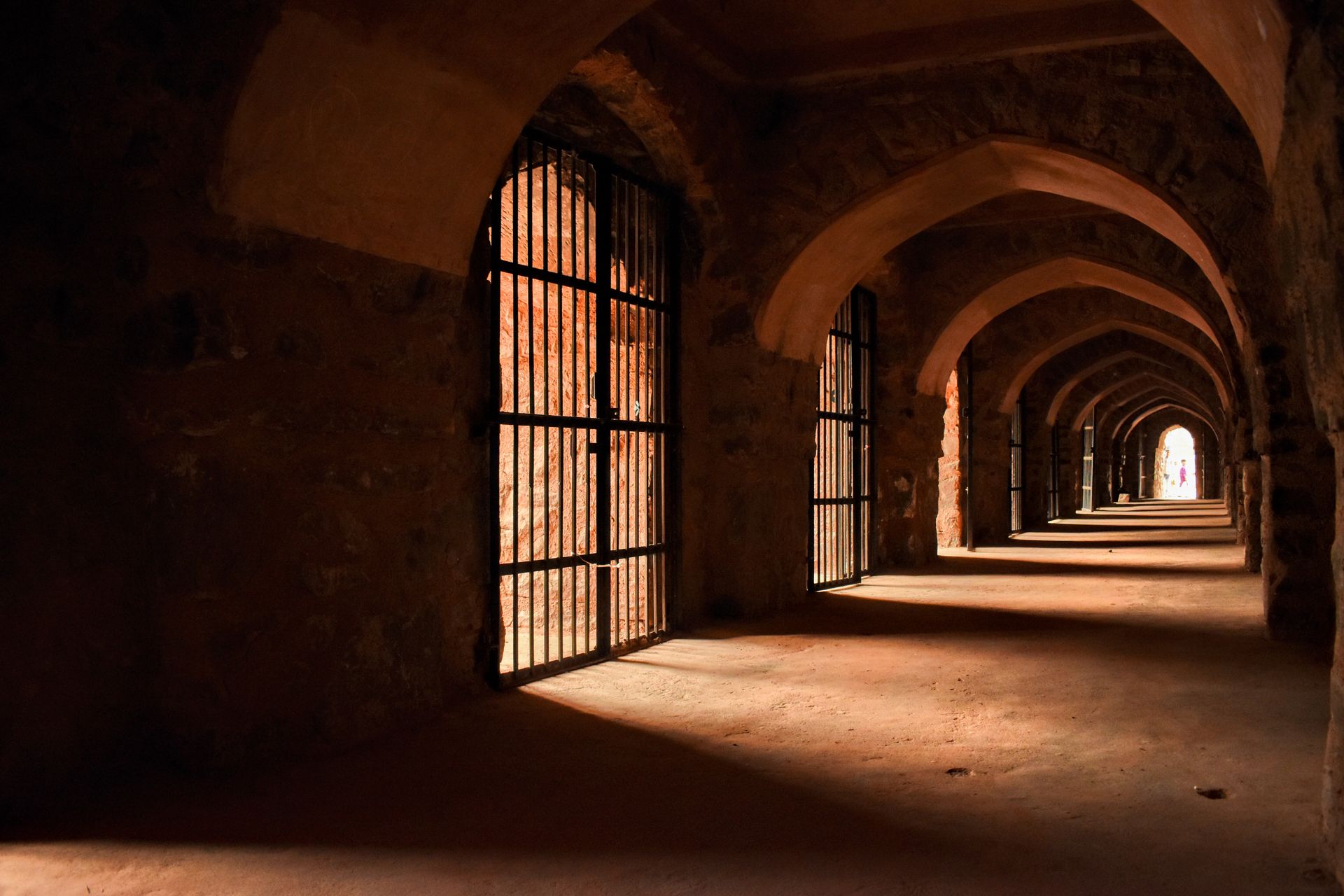
Half an hour outside Orléans in the Loire Valley, in the small town of Meung-sur-Loire, an old stone château sits beside a slow tributary of the river. On its ground floor a hatch in the floor leads to a narrow underground pit, which is open to visitors. This is the cell where, in the summer of 1461, the French poet François Villon spent some of the bleakest weeks of his life, on the orders of the Bishop of Orléans, Thibault d'Aussigny.
Villon had already been convicted in Paris of manslaughter and theft, and had narrowly escaped execution by royal pardon on a previous occasion. By the time he reached Meung in the summer of 1461, this was his third arrest, and there was no trial — only a damp wait between stone walls. The château's archives are silent on exactly how long he spent in the pit, but his own verses describe a confinement that ran through "a long burning of the summer heat."
His release came in October when King Louis XI passed through the Loire Valley and proclaimed a general pardon. The newly enthroned king's tour of the country had freed prisoners across the region; Villon, by lucky coincidence, was among them. Once free, he travelled back toward Paris and wrote what is now widely considered one of the finest works in medieval French, the Testament.
The opening stanzas of the Testament are a direct reckoning with Meung. Villon does not deign to name Bishop d'Aussigny; he sketches him only as "the architect of my cold and my dark." Nor does Villon name the town. He does not need to. "The dungeon of Meung" was a single, unmistakable reference point in the Loire Valley of his era.
The architecture of the Château de Meung-sur-Loire diverges from that of most Loire châteaux at a particular point: the building combines a 12th-century defensive keep with an 18th-century enlightenment-era residence. The underground pit is one of the few surviving original features of the keep; its ceiling is only about 1.8 metres high, and its footprint is approximately three by four metres.
Today the château offers guided tours during which the cell is presented to visitors as a roughly ten-minute set piece. The lighting is kept deliberately dim; guides walk visitors through the lines in the Testament that refer most directly to the experience of the place. The château draws on average around 60,000 visitors a year, with that figure modestly up over the last three years on the back of renewed academic interest in Villon.
Villon's biography remains contested. Born in 1431, the poet's birth surname is variously given as Montcorbier or de Logos; he took the name Villon from his stepfather, Guillaume de Villon. He earned a law degree at the Sorbonne, but his life was lived between crime and prosecution. The years after his release from Meung are unknown; his disappearance after 1463 has spawned theories that he either died young or took on another identity.
The contemporary reach of the Testament owes much to a rediscovery by French modernist poets. Charles Baudelaire and Paul Verlaine acknowledged Villon as an influence; the contemporary poet Yves Bonnefoy, in a 2014 lecture, called Villon "the cradle bed of modern French poetry." The château's annual literary calendar includes a Villon Festival each May at which composers are invited to perform settings of stanzas from the Testament.
Meung-sur-Loire is reachable along the Loire à Vélo cycle route; from Orléans the journey is about 25 kilometres along the river bank, a 90-minute ride. The château is open daily from March to November and on weekends only in winter. Adult entry is around 12.50 euros.
The Loire Valley is generally visited for vast Renaissance châteaux such as Chambord and Chenonceau, with Meung-sur-Loire rarely on the headline list. For a smaller group of visitors, however, the château remains one of the most quietly affecting stops on the Loire: a stone pit where a poet survived the dark, and went on to leave behind a foundational text of European literature.