Oiwake Dango: a Shinjuku teahouse with roots reaching back to the 15th century
The Shinjuku district in Tokyo is known for its metropolitan noise and night-time neon, but behind this visual intensity lies the historical depth of the neighbourhood. Host both to imperial gardens and to an old teahouse, the district contains a layer of memory beneath its daily flow that spans centuries. A particular address within that memory is the teahouse Oiwake Dango.
The teahouse's story reaches back to 1455. At the time Japan's late Muromachi era was coming to an end, and Edo, the centre of what would become the Tokyo region, had not yet become a great castle; it was one of many medium settlements playing host to the Sengoku-period wars. The samurai lord Ota Dokan, travelling with his forces, stopped in the town of Takaido on the outskirts of modern Tokyo and was a guest at a local teahouse called Yanagi Chaya.
The record states that Dokan particularly enjoyed the teahouse's dango (a traditional Japanese sweet made of rice flour) and returned every time he passed through Takaido in later years. This early patronage made Yanagi Chaya the principal stop in the area. Ota Dokan would go on to build Edo Castle, and is recognised as the original designer of what is today the Imperial Palace site.
Over the centuries Takaido became the starting point of the Koshu-kaido, one of Japan's old Five Routes (Gokaidō) running between Edo and Yamanashi Prefecture and connecting the mountain interior trade with the capital. The opening of the road greatly increased the teahouse's customer capacity.
In 1698, during the road's expansion, the Yanagi Chaya teahouse moved to its present site — the oiwake of Shinjuku. In Japanese, oiwake means 'a fork in the road', and Shinjuku literally means 'new post station'. Speaking the two terms together summarises the historical function of the place. The teahouse's current name, Oiwake Dango, is taken from these words.
The teahouse's surviving menu features traditional dango varieties: mitarashi (sweet soy glaze), kinako (roasted soy flour) and seasonal options. The summer 'sakura dango', using local cherry, is a flavour that customers cite in academic and gastronomic writing as an item of intergenerational reference. The historical continuity of the teahouse is evident in the family owning the business through seven generations.
Proprietor Mai Yamazaki told Atlas Obscura: 'The customer expectation that comes down from my grandfather's grandfather demands that the dango recipe remain tied to rice quality.' The Yamazaki family prepares the dough with the traditional rice variety Koshihikari, considered the preferred rice for dango since the Edo period.
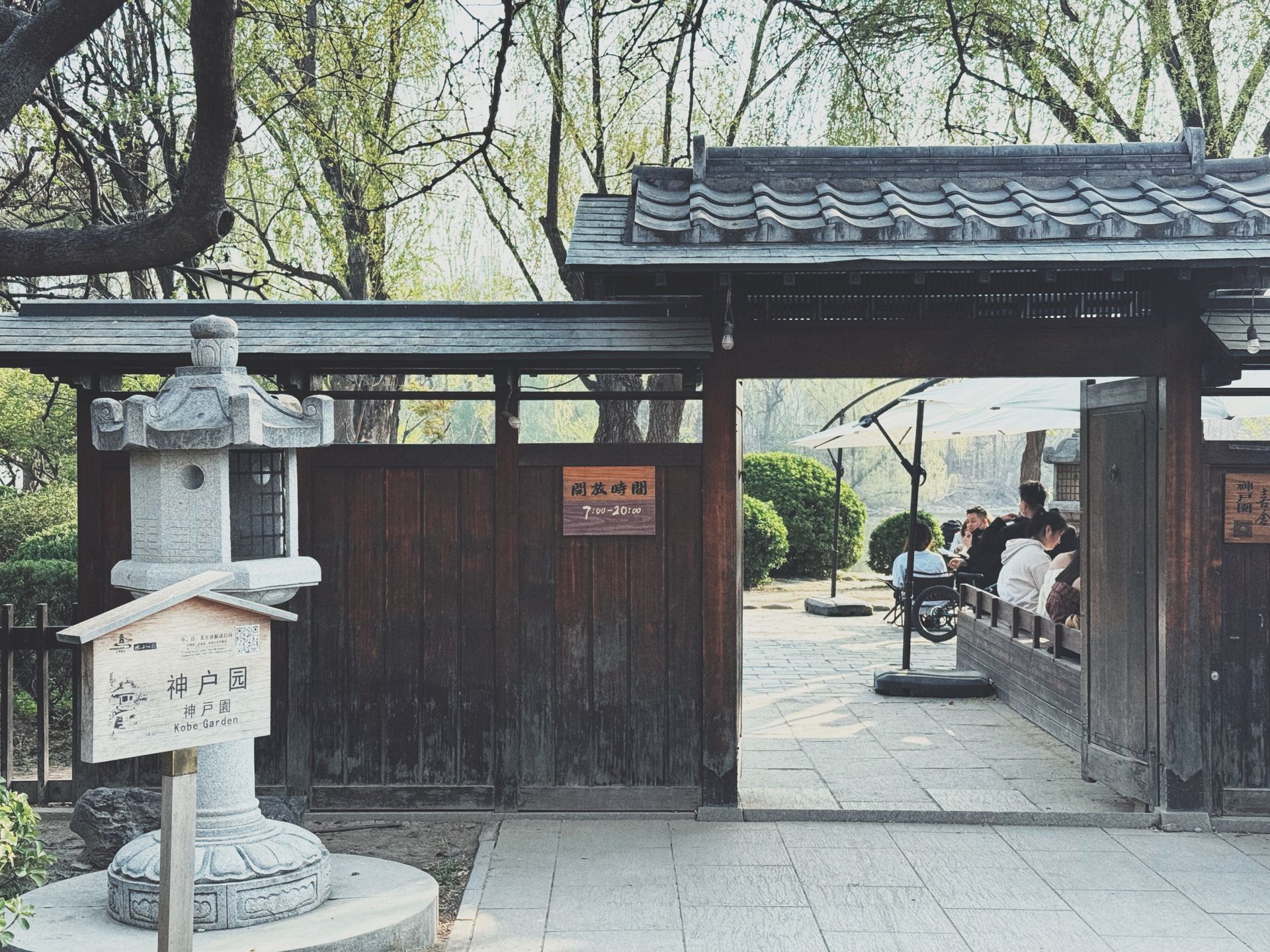
The teahouse's location in present-day Shinjuku creates a contrast in the midst of the district's metropolitan density. Modern shopping centres and neon entertainment surround it, yet the teahouse retains a traditional wood facade and glazed paper. That visual contrast has become a point at which daily passers-by stop to photograph.
Professor Hidetoshi Kaneko, who teaches history at Tokyo Metropolitan University, uses Oiwake Dango as an illustration of late-Edo road economics. Kaneko says: 'The opening of routes directly determined the social and gastronomic identity of the small settlements that became trade centres; Oiwake is a strong example of that context.'
The teahouse's uninterrupted continuity since 1455 places it among the longest-running family-operated food establishments in the world. Catalogued under the Tokyo Metropolitan administration's 'Living Memory' heading as a cultural heritage site, the venue will undergo a small maintenance programme of cleaning and restoration next year while remaining open to its customers.